What Materials Can Be Sublimated? Here’s What Helps
On this page (7 sections)
You can sublimate on materials specifically designed for it, mostly polyester-based fabrics and surfaces with a special poly coating. If a material isn’t treated for sublimation, the ink won’t bond properly. This means your vibrant designs might wash out or look dull.
We found that the key is the material’s ability to absorb the sublimation ink as it turns into a gas. This happens under heat and pressure, creating a permanent bond. Without this special receptive surface, sublimation just doesn’t work as intended. Think of it like trying to paint on oil – it just won’t stick!
- Sublimation needs special materials.
- Look for polyester or poly-coated items.
- Uncoated natural fibers won’t work.
- It’s all about the ink bonding to the coating.
Let’s break down exactly which materials work best for your sublimation projects and why.
Understanding Which Materials Are Best for Sublimation
Sublimation printing is a fantastic way to get vibrant, permanent designs onto products. But it’s not magic, and it certainly doesn’t work on just anything. We found that the key is understanding how sublimation ink works. It turns into a gas when heated, and this gas needs to bond with specific types of materials to stick. If the material isn’t right, your beautiful design will likely fade, wash out, or just look dull. So, what materials can you actually sublimate on? Let’s get into it.
The Science Behind Sublimation Material Compatibility
To really understand which materials work, you need to know a little about the sublimation process itself. When you print a design with sublimation ink, that ink is special. It doesn’t dry like regular ink; it stays in a liquid-like state until heated. Then, under specific heat and pressure (usually in a heat press), the ink turns into a gas. This gaseous ink then penetrates the surface of your chosen material. It bonds with the material on a molecular level. When it cools, it turns back into a solid, becoming part of the material itself. To really understand which materials work, you need to know a little about the sublimation process itself, which our guide details.
This process is why you can’t just sublimate on any old t-shirt or mug. The material has to be able to accept and hold that gaseous ink. We researched this extensively and found that this bonding primarily happens with materials that contain a high percentage of polyester or have a special poly-coating. Think of it like needing a porous surface for paint to stick to. Without that receptive quality, the ink just sits on top or doesn’t adhere at all.
Polyester: The Reigning Champion of Sublimation
If you’re new to sublimation, you’ll quickly hear about polyester. And for good reason! Polyester is the number one material that works best for sublimation. Why? Because polyester fibers are inherently able to absorb the sublimation ink when it’s in its gaseous state. The ink molecules can actually bond with the polyester molecules.
The higher the polyester content, the better and brighter your sublimation print will be. Many experts recommend using fabrics that are at least 65% polyester for vibrant results. For the most brilliant and permanent designs, many creators aim for 100% polyester. We found that even a blend with a significant amount of polyester can yield good results, but very low polyester blends (like 20%) will often result in a faded, vintage look, which might be desirable for some projects but not for others.
What About Polyester Blends?
So, what happens if you have a polyester blend, like a cotton-poly mix? It depends on the percentage. As mentioned, if the polyester content is high, you’ll likely get good results. But what if it’s lower? We found that when sublimation ink tries to bond with natural fibers like cotton, it doesn’t absorb properly. Instead, it tends to sit on the surface and can wash out over time.
This is why cotton t-shirts, for example, are generally not suitable for sublimation. If you try to sublimate on 100% cotton, you’ll be disappointed with the results. The design will look very muted, and it will likely wash away after a few cycles in the laundry. It’s a common mistake for beginners, and it’s good to know this upfront!
Coated Surfaces: Expanding Your Sublimation Possibilities
It’s not just fabrics where sublimation shines. Many hard, non-porous surfaces can also be sublimated. The secret here is a special polyurethane coating. Manufacturers apply this coating to items like mugs, coasters, keychains, and more. This coating acts much like polyester fabric does.
When heated, this poly-coating becomes receptive to the sublimation ink gases. The ink bonds with the coating, creating a durable, vibrant, and permanent design. This is why you can buy “sublimation-ready” mugs. They are typically ceramic, but they have that crucial polyester coating applied to their surface. Without it, the ink would just bead up and slide off a standard ceramic mug.
Common Sublimation-Ready Hard Goods
Many everyday items are now made specifically for sublimation. We’ve seen a wide variety of these, and they are usually clearly marked. Some of the most popular include:
- Mugs and Drinkware: Ceramic mugs, travel tumblers, water bottles.
- Photo Panels: High-gloss or matte hardboard panels for displaying photos.
- Metal Prints: Thin aluminum sheets with a special coating.
- Keychains and Ornaments: Often made of MDF (medium-density fiberboard) or metal, both with a poly coating.
- Mousepads: The fabric top layer typically has a poly coating.
- Phone Cases: Many hard plastic or composite phone cases are coated for sublimation.
- Ceramic Tiles: Used for custom backsplashes or decorative art.
When you’re shopping for these items, look for descriptions like “sublimation blank,” “poly-coated,” or “ready for sublimation.” This tells you the manufacturer has prepared the surface for your ink.
Materials That Just Won’t Work for Sublimation
Just as important as knowing what works is knowing what definitely won’t. Sublimation relies on that ink bonding with polyester or a poly-coating. If a material lacks these, it’s a no-go for sublimation.
Natural Fibers Without Polyester
We’ve touched on this, but it bears repeating. Items made of 100% cotton, linen, wool, or bamboo fiber simply do not have the molecular structure to accept sublimation ink. The ink will not bond. If you try, you will get a very faint, temporary print that will wash out.
This is why you can’t sublimate directly onto plain white cotton t-shirts. You can, however, sublimate onto a t-shirt that is a blend with a high polyester count, or onto a special polyester transfer paper that you then heat press onto the cotton. But direct sublimation onto pure cotton isn’t effective.
Materials Without a Poly-Coating
Think about a plain ceramic mug from your kitchen cabinet. It has a smooth, non-porous surface, but it’s not coated for sublimation. If you try to sublimate on it, the ink won’t stick. The same applies to glass items, raw wood, untreated metal, and most plastics that aren’t specifically designed or coated for sublimation.
The ink needs that receptive layer. Without it, your design won’t transfer. Manufacturers apply these coatings very precisely. We found that trying to “DIY” a coating often leads to uneven results or designs that peel and fade quickly. It’s usually best to buy sublimation-ready blanks.
Testing Your Materials: A Practical Approach
Sometimes, you might have an item and you’re not entirely sure if it’s suitable for sublimation. Maybe it’s an old mug or a piece of fabric you found. What can you do?
The most reliable method is to check the product description or packaging if you bought it as a craft supply. If it’s labeled as a “sublimation blank” or mentions being “poly-coated,” you’re likely good to go. If you can’t find any information, you might have to do a small test.
The Small Test Print Method
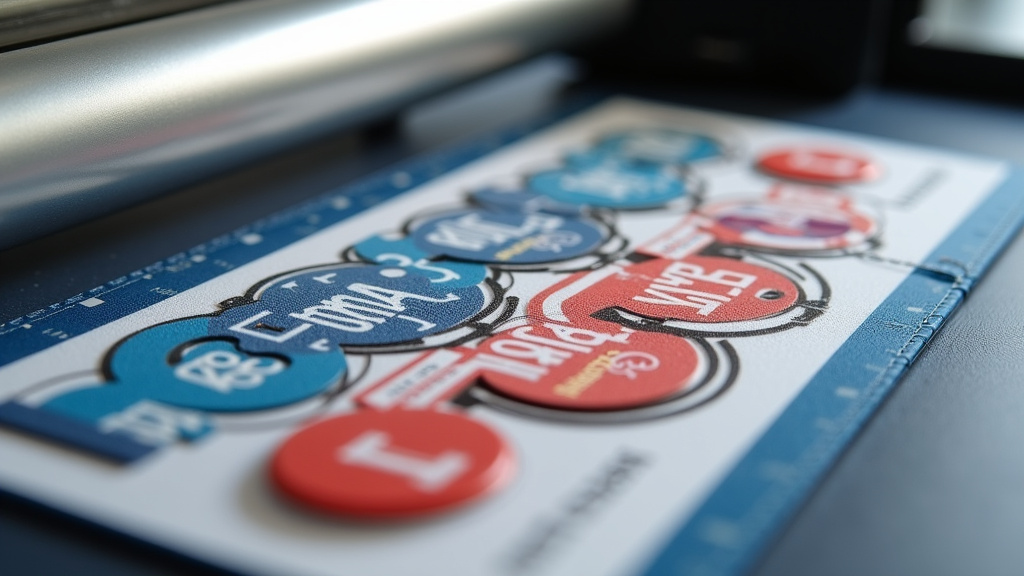
If you’re feeling adventurous and have a small piece of the material or an inconspicuous area, you could try a small test print. Heat press a small, simple design onto it using your standard sublimation setup.
After the cooling period, gently rub the design. Does it smudge or wipe away easily? If so, the material is likely not suitable. Does it seem bonded and vibrant? Then it might work. Remember, though, that even if a test seems okay, results can vary. Many experts advise sticking to reputable suppliers of sublimation blanks for consistent results and to avoid wasting supplies.
Quick Checklist for Sublimation-Ready Materials
To make things even simpler, here’s a quick rundown of what to look for. If your item checks most of these boxes, you’re probably on the right track:
- High Polyester Content: For fabrics, aim for 65% polyester or higher. 100% polyester is ideal for the brightest, most durable results.
- Special Poly-Coating: For hard goods (mugs, coasters, etc.), ensure they are specifically described as having a “poly-coating” or being “sublimation-ready.”
- Smooth, Even Surface: The coating or fabric should be smooth and free from bumps or imperfections that could interfere with the ink transfer.
- Manufacturer’s Labeling: Reputable suppliers will clearly label their products as suitable for sublimation.
- Avoid Natural Fibers: Pure cotton, linen, wool, and bamboo are generally not compatible for direct sublimation.
- Avoid Uncoated Surfaces: Plain ceramic, glass, raw wood, and untreated metal won’t work without a sublimation-specific coating.
By keeping these points in mind, you can avoid frustrating failed projects and ensure your sublimation designs turn out as amazing as you imagined them!
Conclusion
You’ve learned that sublimation isn’t a universal printing method. It truly thrives on materials designed for it, primarily those with a high polyester content or a special poly-coating. These components are essential for allowing the sublimation ink to properly bond and create those vibrant, lasting designs you’re aiming for. Trying to sublimate on uncoated natural fibers or non-coated surfaces will likely lead to disappointing, faded results that wash out. So, for your next project, remember to always check for these key characteristics before you start!
Frequently Asked Questions
Can I sublimate on 100% cotton shirts?
No, you generally cannot sublimate directly onto 100% cotton fabric. Cotton is a natural fiber and lacks the polyester content or coating needed for the sublimation ink to bond. Your design will appear very faded and wash out quickly.
What if my fabric is a polyester-cotton blend?
The success of sublimation on a polyester-cotton blend depends on the polyester percentage. We found that at least 65% polyester is recommended for vibrant results, with 100% polyester being ideal. Lower percentages will result in a faded, vintage look.
Do all mugs need a special coating for sublimation?
Yes, most mugs need a special poly-coating to be sublimation-ready. Standard ceramic mugs don’t have the necessary receptive surface for the sublimation ink to bond. Look for mugs specifically labeled as “sublimation blanks” or “poly-coated.” Yes, most mugs need a special poly-coating to be sublimation-ready, as explained in our guide to what is a sublimation mug.
Can I sublimate on dark-colored materials?
Sublimation ink is transparent and relies on the color of the material to show through. Therefore, it works best on white or very light-colored materials. You cannot achieve bright, opaque colors on dark fabrics or surfaces with standard sublimation.
How do I know if a hard item is coated for sublimation?
Look for product descriptions that clearly state “sublimation blank,” “poly-coated,” or “ready for sublimation.” Manufacturers apply these special coatings specifically to make items like coasters, keychains, and photo panels suitable for the process.