Can You Sublimate Ceramic? A Quick Answer
On this page (7 sections)
Yes, you absolutely can sublimate on ceramic, but with an important condition. Your ceramic item must be coated with a special polyester coating specifically designed for sublimation. Without this coating, the ink won’t bond properly, and your design won’t transfer. So, it’s not the ceramic itself, but the sublimation-ready coating that makes it possible.
Many people wonder if standard ceramic mugs or tiles will work. The truth is, most common ceramics you find at home aren’t prepared for sublimation. You need to look for items labeled as “sublimation blanks” or items that explicitly state they have a polyester coating. This coating is key to achieving vibrant, permanent designs when you sublimate.
- Sublimation works on ceramic if it has a special coating.
- The coating is typically a polyester-based finish.
- Standard ceramic items usually do not have this coating.
- Look for products specifically sold as sublimation blanks.
- The coating allows the sublimation ink to bond permanently.
Let’s break down what you need to know to successfully sublimate on ceramic, so you can create beautiful custom pieces without any surprises.
Making Ceramic Designs Stick with Sublimation
So, can you sublimate ceramic? The short answer is yes, but only if the ceramic has a special coating. Think of it like trying to paint on a greasy surface – the paint just won’t stick. Ceramic is naturally porous, and while that’s great for some things, it’s not ideal for sublimation ink on its own. The magic really happens with a specific polyester-based coating. This coating acts as the perfect canvas for your sublimation ink to bond with.
Without that special finish, the ink will simply sit on the surface or wash away. You’ve probably seen beautiful, vibrant designs on mugs or tiles. That’s the power of sublimation, and it relies entirely on that polyester layer. This is why you’ll often hear people talk about “sublimation blanks.” These are items specifically made to accept sublimation ink.
Understanding the Science: Why the Coating Matters
Sublimation is a fascinating process. It involves turning a solid ink into a gas using heat, then having that gas permeate a material. For this to work on ceramic, the material needs to be able to absorb that gas. That’s where the polyester coating comes in. It has a molecular structure that If you’re interested in other drinkware, our guide to a sublimation tumbler explains the process for those items.allows the gaseous ink to embed itself.
When you heat the sublimation paper and the coated ceramic item together, the ink transforms. It then penetrates the polyester layer, creating a permanent bond. Once the item cools, the ink solidifies within the coating, making it part of the surface. It’s not just sitting on top; it’s infused within the coating itself. This is what gives sublimation its incredible durability and vibrant appearance.
What Happens Without the Coating?
Imagine trying to dye a piece of pure cotton fabric with a dye meant for polyester. It just won’t take the color properly. The same principle applies here. If you try to sublimate on plain, uncoated ceramic, you’ll likely end up with a faint, dull image that easily rubs or washes off. The ink has nothing to bond with. It’s like trying to glue two smooth pieces of glass together without any adhesive – they just slide apart.
Research into material science shows that sublimation inks require specific polymer types to achieve a permanent bond. For ceramics, this polymer is almost always applied as a special coating. Many sources, including textile printing guides, explain that the ink needs to bond with the fibers or a compatible surface material.
What Are “Sublimation Blanks”?
Sublimation blanks are simply products that have already been prepared for the sublimation process. For ceramic items, this means they come with that essential polyester coating applied. You can find a huge variety of these blanks, from the classic coffee mug to ceramic coasters, ornaments, and even larger tiles.
When you’re shopping, look for these terms: “sublimation blank,” “sublimation-ready,” or descriptions that mention a “polyester coating.” If an item is just listed as “ceramic mug” without any mention of sublimation preparation, it’s likely not ready for you. It’s always best to check the product description carefully before you buy.
Where to Find Sublimation-Ready Ceramics
Many online craft suppliers and sublimation-specific stores carry a wide range of ceramic sublimation blanks. You might also find them at larger craft stores, though their selection might be more limited. Some wholesalers cater to businesses that do custom printing.
It’s worth noting that the quality of the coating can vary between manufacturers. We’ve found that reading reviews can be helpful. Customers often share their experiences with how well the coating holds up and how vibrant the sublimation results are. This can guide you toward reliable brands.
Types of Ceramic Items You Can Sublimate
Once you understand the coating requirement, you’ll be excited about the possibilities! Almost any ceramic item can be coated and made sublimation-ready. This opens up a world of creative projects.
Mugs and Drinkware
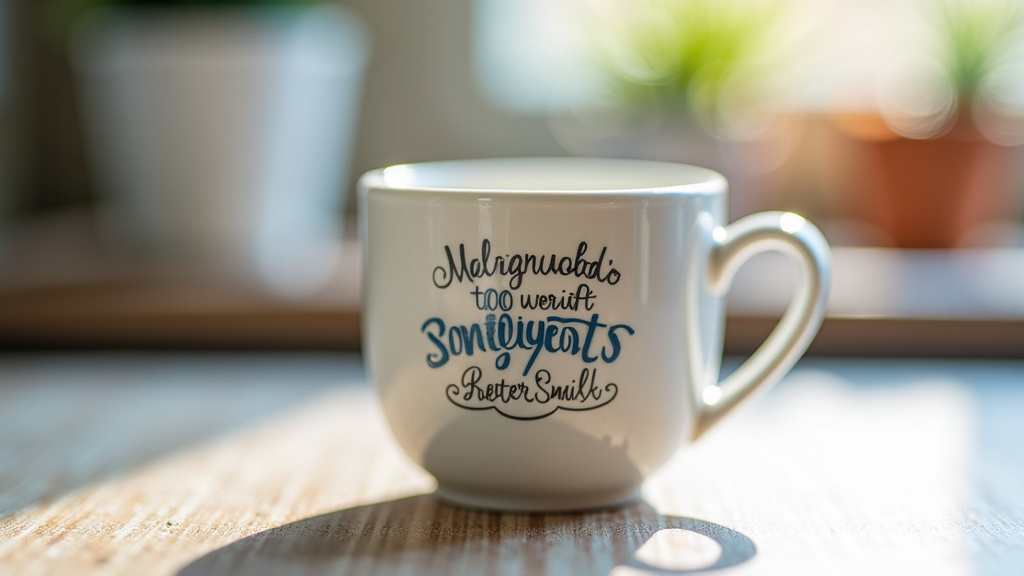
This is probably the most popular category. Sublimation mugs are everywhere! You can create personalized mugs with photos, custom artwork, funny quotes, or business logos. The vibrant, permanent designs make them perfect for gifts or promotional items.
Many people are surprised to learn that even curved mugs can be sublimated. Special mug presses or heat-shrink wraps are used to ensure even heat and pressure, which is vital for a perfect transfer. We’ve found that the key is ensuring there are no wrinkles or air pockets.
Ceramic Tiles and Coasters
Sublimation tiles and coasters are fantastic for creating decorative art pieces or personalized home décor. You can make custom trivets, decorative wall art, or photo coasters. Imagine a set of coasters featuring your family pet or vacation photos!
When sublimating tiles, it’s important to ensure you have a flat heat press. For coasters, the size is usually standard, making them easy to press. Many crafters enjoy making themed sets, like a set of coasters for each season or holiday. These are often found in standard sizes like 4×4 inches.
Ornaments and Other Decorative Items
Ceramic ornaments, especially for holidays, are another popular choice. You can sublimate custom designs, photos, or messages onto them. Think personalized Christmas tree ornaments for family members or as party favors.
Beyond ornaments, you might find other ceramic decorative items like small plaques or figurines that are prepared for sublimation. Always check the item’s surface and description to ensure it has the proper coating. Some specialty shops offer unique ceramic shapes ready for your designs.
The Sublimation Process for Ceramic: What You Need
Getting started with sublimating on ceramic blanks is quite straightforward once you have the right equipment. It’s not overly complicated, but each step is important for success.
Essential Equipment and Materials
Here’s a checklist of what you’ll generally need:
- Sublimation Printer: This is a printer specifically designed to use sublimation inks. Regular inkjet printers won’t work.
- Sublimation Ink: These are special inks that turn into gas when heated.
- Sublimation Paper: You need paper designed to hold sublimation ink and release it cleanly.
- Sublimation Blank: Your chosen ceramic item with the polyester coating.
- Heat Press: A machine that provides consistent, high heat and pressure. A convection oven can also be used for some items with specific wraps.
- Heat Tape: To secure your design to the blank and prevent shifting.
- Heat-Resistant Gloves: For safely handling hot items.
Key Steps for a Successful Transfer
Here’s a general overview of how it works:
- Design Your Image: Create your artwork using graphic design software.
- Print Your Design: Print your design in reverse (mirror image) onto sublimation paper using your sublimation printer and inks.
- Prepare the Blank: Ensure your ceramic blank is clean and free of dust or oils.
- Secure the Design: Carefully tape your printed design onto the ceramic blank, face down.
- Heat Press: Place the item in your heat press and apply the correct time, temperature, and pressure according to the blank manufacturer’s recommendations.
- Cool and Reveal: Once the pressing is done, carefully remove the item (using gloves!) and let it cool completely before peeling off the paper.
Following the specific instructions for your sublimation blank and heat press is vital. Different blanks and presses have slightly different needs. Many manufacturers provide detailed guides for their products.
Factors Affecting Sublimation Quality on Ceramic
Even with the right equipment, a few things can impact how your design turns out. Paying attention to these details helps ensure you get the best possible results.
Temperature and Time Accuracy
This is non-negotiable. Too little heat or time, and the ink won’t fully sublimate, resulting in a faded or incomplete design. Too much heat or time can cause the image to scorch, become muddy, or even damage the coating.
Always consult the manufacturer’s guidelines for the specific ceramic blank you are using. They usually provide recommended temperature, time, and pressure settings. For example, many ceramic mugs require around 380-400°F (193-204°C) for 3-5 minutes.
Pressure and Even Heating
Uneven pressure or heat distribution will lead to an uneven transfer. If your heat press has hot spots or doesn’t close evenly, you’ll see blotchy areas or faded lines. The same applies if the sublimation paper isn’t held tightly against the surface.
Ensure your heat press is functioning correctly. For mugs, a good mug press or a heat shrink wrap that creates consistent pressure all around is essential. For flat items like tiles, a good clamshell or swing-away press is usually sufficient. We’ve found that checking your press’s calibration can save a lot of frustration.
Quality of the Polyester Coating
Not all polyester coatings are created equal. A thin or low-quality coating might not absorb the ink as well, leading to a less vibrant or durable final product. This is why sticking to reputable brands for your sublimation blanks is a good idea.
The smoothness and integrity of the coating are also important. Any imperfections in the coating before you start pressing can show up in your final design. It’s always wise to inspect your blanks before you begin the sublimation process.
Troubleshooting Common Sublimation Issues on Ceramic
Even experienced crafters run into problems sometimes. Don’t get discouraged if your first attempt isn’t perfect. Most issues have solutions.
Faded or Dull Images
This often points to an issue with heat, time, or pressure. Make sure your heat press is reaching the correct temperature. Double-check that you’re using the recommended pressing time for your specific blank. Ensure you’re applying enough pressure to keep the paper firmly against the ceramic.
Sometimes, using the wrong type of paper or ink can also cause dullness. Always use paper and ink specifically designed for sublimation. We found that sometimes simply increasing the pressing time by 15-30 seconds can make a noticeable difference.
Ghosting or Blurring
Ghosting occurs when the paper shifts even slightly during the pressing process or when removing the paper too soon. This creates a faint duplicate image. It’s crucial to secure the sublimation paper tightly to the blank with heat-resistant tape.
Another cause can be removing the paper too quickly after pressing. Allow the item to cool sufficiently before peeling. Some sublimation specialists suggest a “peel test” after a portion of the cooling time to check for a good transfer before fully removing the paper.
Speckled or White Spots
This can happen if the coating is damaged or if there’s debris on the blank or paper. Ensure your ceramic blank is perfectly clean and dust-free before applying the design. Also, check your sublimation paper for any creases or imperfections that could cause these spots.
Sometimes, even tiny particles of lint from a cleaning cloth can cause issues. Many professionals recommend wiping down blanks with a lint-free cloth or even alcohol. For flat items, ensuring the press pad is clean is also important.
Conclusion
You’ve learned that sublimating ceramic is absolutely possible, but it hinges entirely on that special polyester coating. Without it, your beautiful designs just won’t stick. Remember to always look for sublimation blanks specifically prepared for this process. This coating acts as the perfect surface, allowing your sublimation ink to bond permanently and create vibrant, lasting images.
Now that you understand the key requirement, you’re ready to start creating! Your next step is to browse for sublimation-ready ceramic mugs or tiles and gather your essential equipment to bring your personalized creations to life.
Frequently Asked Questions
Do all ceramic mugs work for sublimation?
No, not all ceramic mugs will work. Only ceramic mugs that have been treated with a special polyester coating, known as sublimation blanks, are suitable for sublimation. Plain ceramic will not hold the ink.
What happens if I try to sublimate on a regular ceramic mug without the coating?
If you attempt to sublimate on a regular ceramic mug without the proper coating, the ink will not bond. You’ll likely end up with a very faint, dull image that will easily wash or rub off.
Can I apply a sublimation coating to my own ceramic items?
While DIY coating solutions exist, achieving a professional and durable finish can be challenging for beginners. We’ve found it’s generally easier and more reliable to purchase pre-coated sublimation blanks made by reputable manufacturers.
How do I know if a ceramic item is sublimation-ready?
Look for product descriptions that explicitly state the item is a “sublimation blank,” “sublimation-ready,” or mention that it has a polyester coating. If it’s just sold as a plain ceramic item, it’s likely not ready.
Will the sublimation design on ceramic fade over time?
When done correctly on a properly coated blank, sublimation designs on ceramic are very durable and resistant to fading. The ink becomes infused into the polyester coating, making it a permanent part of the surface that won’t peel or scratch off easily.