Can You Sublimate Metal? Know Before You Start
On this page (3 sections)
Yes, you can sublimate metal, but with a very important catch. Sublimation works best on surfaces with a To understand how it works, our guide to the sublimation process explains the science.polyester coating. Plain metal won’t hold the sublimation ink very well, leading to dull and faded results. You’ll need specially treated metal blanks for vibrant, lasting designs.
This means not all metal is created equal for sublimation projects. When you want your colorful designs to really pop on metal, look for products labeled as “sublimation-ready” or those with a specific polyester finish. Using the wrong kind of metal is like trying to paint on a greasy surface – it just won’t stick properly.
- Sublimation needs a special polyester coating on metal.
- Plain metal won’t work well for bright, lasting designs.
- Look for metal blanks specifically made for sublimation.
- This ensures your designs transfer with vibrant color.
Below, we’ll walk you through exactly what kind of metal works best and what to avoid when you’re planning your next sublimation project.
Working with Metal for Your Sublimation Projects
Yes, you absolutely can sublimate on metal! But here’s the big secret: not all metal is created equal for this craft.
The key to vibrant, lasting sublimation designs on metal lies in a special polyester coating. Think of this coating as the perfect canvas. Without it, your beautiful artwork will look dull and fade away way too quickly.
The Science Behind Sublimation on Metal
Sublimation ink doesn’t actually soak into the metal itself. Instead, it bonds with the polyester coating. When heat and pressure are applied, the ink turns into a gas. This gas then permeates the polyester layer, becoming a permanent part of the surface.
This is why a plain, uncoated piece of metal won’t work. It lacks that special layer for the ink to cling to. We found that trying to sublimate directly on raw aluminum or stainless steel results in poor color transfer and a weak bond. It’s like trying to get a sticker to stick to a wet surface; it just won’t hold.
Why Polyester Coating is Essential
The polyester coating acts as a binding agent. It’s designed to accept the sublimation ink when it’s in its gaseous state. This process creates a smooth, durable image that resists scratching and fading. Many sources confirm this necessity for successful sublimation transfers.
When you see stunning, full-color images on metal signs, awards, or photo prints, you can bet they used specially coated metal blanks. This coating ensures the ink settles in evenly, giving you that crisp, professional finish.
Types of Metal Suitable for Sublimation
When you’re shopping for metal for your sublimation projects, look for terms like “sublimation-ready” or “polyester coated.” These products are manufactured specifically for this purpose.
Common materials you’ll find include aluminum and specially treated stainless steel. These metals are often formed into various shapes like:
- Photo panels
- Ornaments
- Keychains
- Coasters
- Business cards
- Awards and plaques
Aluminum Blanks: A Popular Choice
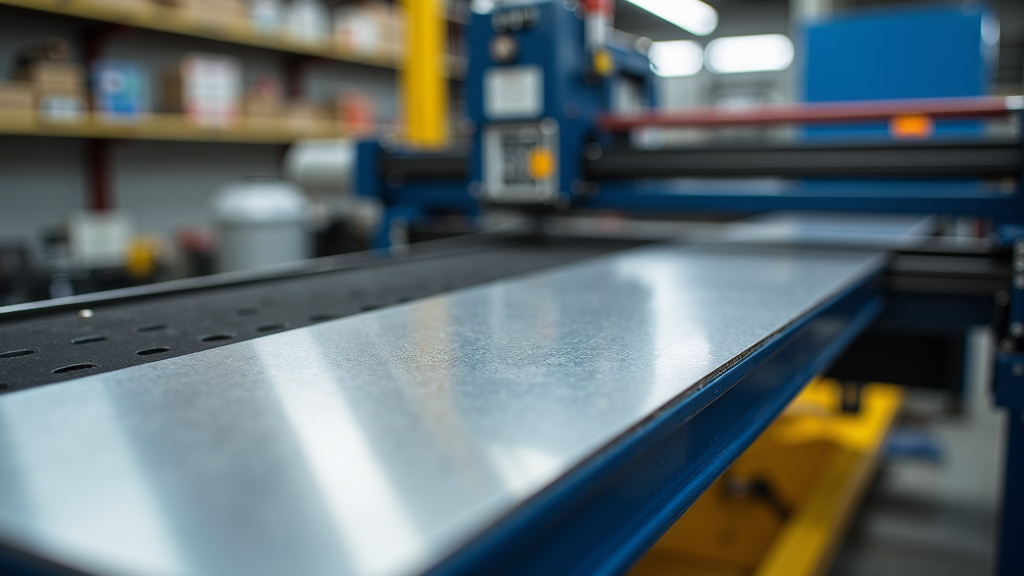
Aluminum is a favorite for sublimation because it’s lightweight, durable, and takes well to the polyester coating. Manufacturers often treat aluminum sheets with a special dye-receptive coating. This makes the metal surface ideal for transferring your vibrant designs.
We’ve seen many beautiful photo transfers done on aluminum. The finish can range from glossy to matte, allowing you to choose the look that best suits your project. Just be sure the packaging or product description explicitly states it’s for sublimation.
Stainless Steel for Durability
Some stainless steel items can also be sublimated. These often have a brushed finish. Like aluminum, they need that crucial polyester coating. Stainless steel offers a bit more weight and a premium feel.
These are great for items where durability is a top concern. Think about custom drinkware or durable signage. Again, always verify that the product is advertised as sublimation-compatible. Without the right coating, the results will be disappointing.
What Kind of Metal to Avoid
This is where many beginners run into trouble. If a metal product isn’t specifically made for sublimation, it’s best to steer clear.
You should avoid plain, uncoated metal. This includes raw aluminum, plain steel, copper, or any other metal that doesn’t have a visible, smooth coating that feels slightly plastic-like. Trying to sublimate on these will lead to faded, streaky, or non-existent transfers.
The Problem with Raw Metal Surfaces
Raw metal is porous and reactive. The sublimation ink won’t adhere to it properly. The heat from the press can also cause the raw metal to oxidize or discolor. This creates an uneven surface that prevents a clean ink transfer.
It’s like trying to color on a surface that’s already wet. The colors just won’t stick or spread evenly. Many crafters have shared stories online about wasting materials by trying to sublimate on untreated metal, only to get dull, unappealing results.
Preparing Metal for Sublimation
If you have purchased sublimation-ready metal blanks, the preparation is usually minimal. However, there are a few steps to ensure the best possible outcome.
First, handle your metal blanks with care. It’s best to wear clean, lint-free gloves. This prevents fingerprints and oils from transferring to the surface. Oils can create spots where the ink doesn’t adhere well. We found that even a small smudge can affect the final print.
Cleaning and Degreasing
Even with gloves, a quick wipe-down is often recommended. Use an isopropyl alcohol (rubbing alcohol) solution – around 90% concentration is good. Lightly wipe the surface of the metal with a lint-free cloth. Allow it to dry completely.
This step removes any residual dust or oils that might be present from manufacturing or handling. It ensures a clean slate for your sublimation transfer. A clean surface is key to a flawless transfer. Many professional guides suggest this as a standard practice.
Positioning Your Design
Once your metal is clean, carefully position your sublimation printout onto the metal. Use heat-resistant tape to secure it. Ensure the paper is flat against the surface, with no wrinkles or gaps. Proper alignment is vital for a sharp image.
Make sure your design is mirrored, just like with any other sublimation project. The ink will transfer from the paper to the coating. The paper should be touching the coated side of the metal as directly as possible.
The Sublimation Process on Metal: A Quick Look
Once you have your sublimation-ready metal and your design is prepped, the actual transfer process is similar to other sublimation items.
You’ll typically place the taped design onto the metal. Then, you’ll place this whole setup into a heat press. The exact temperature and time will vary depending on the type of metal blank and your heat press manufacturer’s recommendations. Always consult the product’s instructions.
Heat Press Settings Matter
Common settings often range from 380°F to 400°F (193°C to 204°C) for about 45 to 70 seconds. However, these are just general guidelines. Some metal blanks may require different settings. Always test if you’re unsure, or follow the specific instructions provided with your metal blanks.
During the heating process, the polyester coating softens slightly. This allows the sublimated ink to infuse into the coating. The pressure from the heat press ensures even contact and prevents ghosting. Many sources highlight the importance of consistent heat and pressure.
Quick Checklist for Sublimating Metal
To make sure your next metal sublimation project goes smoothly, keep this quick checklist handy:
- Use only sublimation-ready metal blanks. Look for polyester coating.
- Handle blanks with clean gloves to avoid oils and fingerprints.
- Clean the metal surface with isopropyl alcohol before pressing.
- Mirror your image before printing your sublimation design.
- Secure the design tightly with heat-resistant tape, ensuring no gaps.
- Follow specific heat press settings for your chosen metal blanks.
Understanding the Metal Sublimation Table
To help you quickly see the differences, we’ve put together a simple table. It highlights what works and what doesn’t.
| Type of Metal Surface | Sublimation Results | Why it Works/Doesn’t Work |
|---|---|---|
| Polyester-Coated Metal Blanks (e.g., Aluminum, Stainless Steel) | Vibrant, Permanent, Glossy or Matte Finish | The polyester coating bonds with sublimation ink when heated, creating a durable image. |
| Plain, Uncoated Aluminum | Dull, Faded, Poorly Adhered Image | Lacks the necessary polyester coating for the ink to bond. Ink sits on the surface and easily rubs off or fades. |
| Raw Stainless Steel | Very Poor or No Ink Transfer, Uneven Colors | Similar to plain aluminum, the surface is not designed to accept sublimation ink. Heat can cause discoloration. |
| Metals with Non-Polyester Coatings (e.g., Vinyl, Paint) | Unpredictable Results, May Damage Coating | These coatings are not designed for sublimation. Heat may melt, bubble, or lift the existing coating, ruining both the metal and the design. |
This table should give you a clear picture of what to look for and what to avoid. When in doubt, always check the product description for explicit “sublimation-ready” labeling.
Conclusion
So, can you sublimate metal? Yes, but only if your metal has that essential polyester coating. We’ve learned that plain metal just won’t hold those vibrant colors. Always look for products specifically labeled as “sublimation-ready” or “polyester coated.” This ensures your designs will be bright, sharp, and last for a long time.
Your next step is to head to your favorite craft or supplier store. Pick out some sublimation-ready metal blanks, like aluminum photo panels or stainless steel keychains. With the right materials, your sublimation projects on metal are sure to impress!
Frequently Asked Questions
What does “sublimation-ready” metal actually mean?
It means the metal has been treated with a special polyester coating. This coating is designed to bond with sublimation ink when heated. Without this coating, your designs won’t transfer properly.
Can I sublimate on any colored metal?
Color itself isn’t the main factor; it’s the coating. White, silver, or metallic-finish metal blanks can all work if they have the correct polyester coating. The coating allows the sublimation ink to show its true, vibrant colors.
How do I know if my metal has a polyester coating?
Look for explicit labeling like “sublimation-ready” or “polyester coated” on the product packaging or description. These blanks will have a smooth, often glossy or matte, finish that feels slightly plastic-like.
What happens if I try to sublimate on plain metal?
You’ll likely end up with very dull, faded, or patchy results. The sublimation ink needs that special coating to bond with. Without it, the ink just sits on the surface and can easily rub or wash off.
Can I add a polyester coating to plain metal myself?
While specialized spray coatings exist, they are often not as durable or reliable as factory-applied coatings. For the best, lasting results, it’s highly recommended to purchase metal blanks that are pre-coated and specifically made for sublimation.