Can You Sublimate Wood? A Beginner’s Guide
On this page (3 sections)
Yes, you absolutely can sublimate wood, but with a few key requirements. It’s not as simple as sublimating fabric, as the wood surface needs specific preparation. You’ll need to coat the wood with a special polyester spray to create a surface that the sublimation ink can adhere to and turn into a gas. Without this coating, the wood will just burn. This process allows for vibrant, permanent designs on wood.
Sublimating wood opens up a world of creative possibilities for home decor, custom gifts, and personalized art. Many crafters use this technique to transfer detailed images onto wooden plaques, coasters, and even furniture. The trick is understanding the right type of wood and the importance of a high-quality polyester coating for the best results. We’ve researched this extensively to bring you the clearest guidance.
- Sublimating wood is possible with the right preparation.
- A polyester coating is essential for the ink to transfer.
- Different wood types will yield different results.
- Proper heat and pressure are key to success.
- Coated wood allows for bright, lasting designs.
Ready to bring your creative ideas to life on wood? Let’s walk through exactly how this works step by step, so you can achieve stunning results with your sublimation projects.
Decorating Wood with Sublimation: What You Need to Know
Yes, you can definitely sublimate onto wood. It’s a fantastic way to create personalized items. The trick is preparing the wood surface correctly. If you try to sublimate directly onto raw wood, you’ll likely end up with a burned mess. This process requires a special coating to make the wood ready for sublimation inks. We’ve found that this preparation step is absolutely non-negotiable for success.
Understanding the Wood Preparation Process
The core of successful wood sublimation lies in the polyester coating. This coating acts as a medium. It allows the sublimation ink to transfer properly. Without it, the ink has nothing to bond with. It will simply scorch when heated. Many crafters turn to specially formulated sublimation coating sprays. These sprays create a smooth, receptive surface for your design. They are designed to withstand the heat of the sublimation process.
Why a Polyester Coating is Essential
Think of the polyester coating like a primer for painting. It creates a uniform surface. This ensures the ink applies evenly. It also prevents the ink from soaking into the wood grain too deeply. This would lead to a faded or muddy image. The heat from your press turns the sublimation ink into a gas. This gas then permeates the polyester layer and bonds with it. This creates a vibrant, permanent design. We found that the quality of this coating directly impacts the final look.
Choosing the Right Wood Type
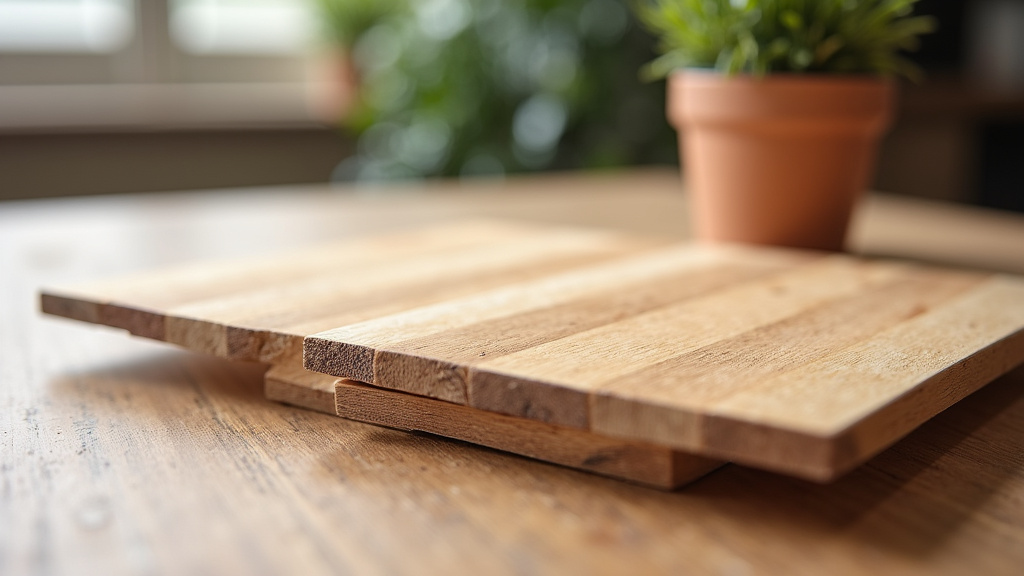
Not all wood is created equal for sublimation. The best results typically come from smooth, light-colored wood. Plywood is a popular choice. It’s stable and has a consistent surface. MDF (Medium-Density Fiberboard) is another option. It provides a very smooth finish. The key is to avoid wood with a lot of natural oils or resins. These can interfere with the coating and ink transfer. For example, some exotic hardwoods might be tricky. We suggest starting with a known, reliable wood type for your first few projects.
Prepping Your Wood: A Step-by-Step Guide
Before you even think about applying the sublimation coating, make sure your wood is ready. Start by sanding your wood surface smooth. You want it to be as free of imperfections as possible. Wipe away any dust with a tack cloth. Then, apply your polyester coating according to the manufacturer’s instructions. This usually involves several thin coats. Allow each coat to dry completely. You might need to do some light sanding between coats for an ultra-smooth finish. Read the specific product’s recommendations carefully. We found that patience here really pays off.
The Sublimation Transfer Process for Wood
Once your wood is coated and dried, you’re ready for the exciting part: transferring your design. This involves using a sublimation printer, sublimation paper, and a heat press. The process is similar to sublimating on fabric, but with a few wood-specific considerations.
Designing Your Artwork
You can create your own designs using graphic design software. Or, you can use pre-made sublimation designs. Ensure your design is the correct size for your wood piece. Remember that sublimation ink is transparent. It needs a white or very light background to show its true colors. This is why a light-colored wood or a white coating is so important. Many crafters find it helpful to create a design that complements the wood’s natural texture. We’ve seen some beautiful results where the wood grain subtly shows through.
Printing Your Design
You’ll need a printer specifically set up for sublimation. These printers use special sublimation inks. Print your design onto sublimation paper. It’s important to print a mirror image of your design. This is because you’ll be placing the paper ink-side down onto the wood. Many design programs have a simple “mirror” or “flip horizontally” option. Make sure your printer settings are optimized for sublimation paper. This ensures the best ink saturation. We found that using high-quality sublimation paper makes a difference.
Applying the Design with a Heat Press
Place your printed design face down onto your prepared wood surface. Secure it in place with heat-resistant tape. This prevents the paper from shifting during pressing. The amount of heat and pressure needed can vary. It depends on your heat press, your wood, and your coating. A common starting point is around 385-400°F (195-205°C) for 45-60 seconds. However, it’s always best to consult the instructions for your specific sublimation coating and paper. They often provide recommended time and temperature settings. You’ll also need to apply firm, even pressure. Too little pressure can result in a faint transfer. Too much might damage the wood or coating. We found that a test piece is always a good idea before pressing your final project.
What to Expect from Wood Sublimation Results
The final look of your sublimated wood can be influenced by several factors. Understanding these will help you set your expectations. You’ll achieve vibrant, permanent colors. However, the wood’s natural characteristics can add a unique charm. Unlike fabric, wood is not perfectly smooth. This can sometimes lead to a slightly softer or more rustic appearance. We found that the wood grain might subtly show through, especially with lighter designs.
The Impact of Wood Grain and Color
The natural color of the wood you choose plays a role. Even with a clear coating, darker woods can mute the colors of your sublimation design. This is why light-colored wood or MDF is often recommended. The grain of the wood can also affect the transfer. Think of it like printing on a slightly textured surface. The ink will adhere to the coating, but the underlying texture can still be subtly visible. This can be a beautiful effect, adding depth and character to your piece. However, if you’re aiming for a perfectly smooth, glossy finish like on metal, wood might not be the ideal substrate.
Durability and Care of Sublimated Wood
Once properly sublimated onto a well-prepared surface, the designs are quite durable. They are scratch-resistant and waterproof. You can clean them with a damp cloth. Avoid harsh chemicals or abrasive cleaners. The design is essentially fused into the polyester coating. This makes it very resistant to fading. Many experts say that properly sublimated wood items can last for years with minimal care. We found that the key is that initial proper preparation and a good quality transfer.
Here’s a quick checklist to get you started:
- Ensure your wood is smooth and dust-free.
- Apply multiple thin coats of polyester sublimation coating.
- Allow coating to dry thoroughly between coats.
- Print your design as a mirror image on sublimation paper.
- Use a heat press with recommended time, temperature, and pressure.
- Test your settings on a scrap piece first.
Conclusion
You now know that sublimating wood is a rewarding process. It brings your unique designs to life on a beautiful natural medium. Remember, success hinges on proper wood preparation. A high-quality polyester coating is your key to vibrant, lasting results. Don’t forget to choose the right wood and perfect your heat press settings. Ready to start creating? Gather your supplies and try your first wood sublimation project today. We’re excited for you to see the stunning possibilities.
Frequently Asked Questions
Can I sublimate on any type of wood?
While you can sublimate on many wood types, results vary. Smooth, light-colored woods like plywood or MDF tend to work best. Avoid woods with high natural oils or very rough grain, as these can interfere with the coating and ink transfer.
What happens if I don’t use a polyester coating on wood?
Without a proper polyester coating, sublimation ink will not bond to the wood. When heated, the ink will likely just burn or scorch. This will result in a messy, faded, or completely ruined design on your wood piece.
How many coats of sublimation spray do I need?
Most manufacturers recommend applying several thin coats of the polyester spray. Usually, three to four coats are sufficient for a smooth, even surface. Always follow the specific product’s instructions for the best results.
Will the wood grain show through my sublimation design?
Yes, it’s common for the wood grain to subtly show through, especially on lighter designs. This adds a rustic charm and unique character to your finished piece. The polyester coating adheres to the wood, but the underlying texture can still be visible.
How do I care for my sublimated wood items?
Sublimated wood is quite durable and can be cleaned with a damp cloth. Avoid using harsh chemicals or abrasive cleaners, as these can damage the design. With proper care, your sublimated wood items can last for many years.