Is Sublimation the Same as DTF? Here’s What Helps
On this page (6 sections)
No, sublimation printing is not the same as DTF (Direct to Film) printing, though both methods are popular for custom apparel. The core difference lies in how the design is transferred to the fabric. Sublimation works best on polyester, while DTF can be used on various fabric types.
Understanding these differences helps you choose the right method for your project. We’ve researched the key distinctions and found that while both offer vibrant results, DTF printing provides more versatility for different materials and darker fabrics. Sublimation requires specific polyester content for optimal results.
- Sublimation is for polyester fabrics only.
- DTF works on most fabric types, including cotton and blends.
- Sublimation uses heat to turn ink into a gas.
- DTF prints on a film, then transfers to the garment.
- DTF often uses a white ink layer for brighter prints on dark shirts.
Let’s dive into what makes each of these printing methods unique and how they help you create amazing custom designs.
Understanding the Differences: Sublimation vs. DTF Printing
You’re curious about sublimation and DTF printing. Are they the same? Our research shows they are quite different. They each offer unique ways to get your designs onto fabric. Knowing these differences helps you pick the best method for your specific project. We’ve looked into what makes them tick, and it turns out one offers more flexibility than the other.
How Sublimation Printing Works
Sublimation printing is a fascinating process. It relies on special inks that turn into a gas when heated. This gas then soaks into the fabric fibers. Think of it like the ink becoming one with the material. This makes the design very permanent and resistant to fading. It’s a popular choice for vibrant, all-over prints.
The Polyester Requirement
Here’s the main thing to know about sublimation: it only works on polyester. The special inks need the polyester fibers to bond with. The more polyester content in your fabric, the better the transfer. Ideally, you want shirts that are 100% polyester for the brightest, most durable results. Blends with lower polyester content will result in a faded, vintage look.
Color Limitations
Sublimation inks are typically CMYK (Cyan, Magenta, Yellow, Black). This means you can create a full spectrum of colors. However, the transfer relies on the shirt’s base color. Since the ink is translucent and bonds with the fabric, it won’t show up well on dark or colored garments. White or very light-colored polyester is best for sublimation. Your design’s white areas will become the color of the shirt itself.
How DTF (Direct to Film) Printing Works
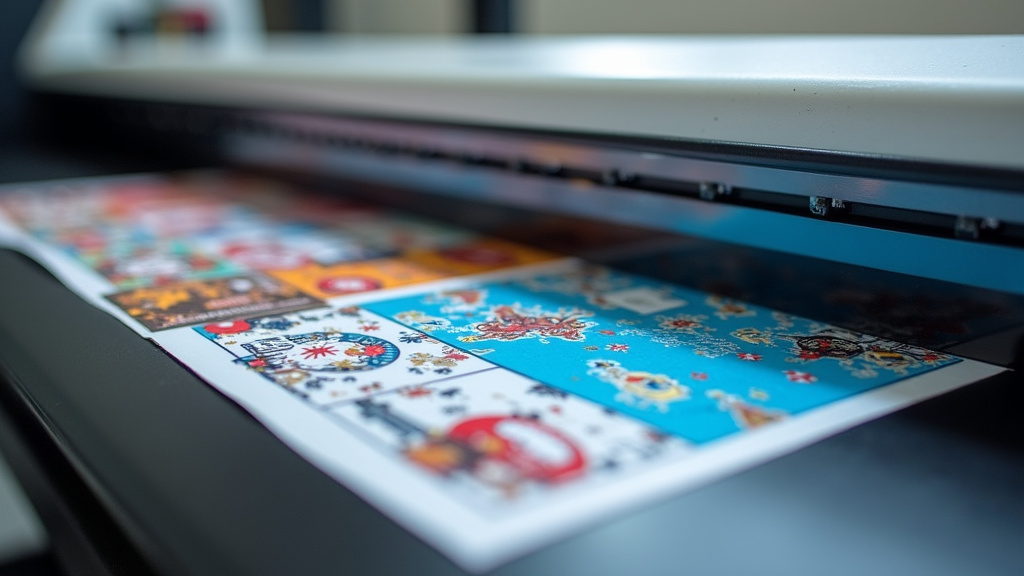
DTF printing is a newer, very versatile method. It stands for Direct to Film. The design is printed onto a special film. Then, a layer of adhesive powder is applied to the wet ink. Finally, this printed film is transferred to your garment using a heat press. It’s a bit like using a high-tech sticker, but it becomes part of the fabric.
Printing on the Film
The process starts with printing your design onto a PET film. This film acts as a temporary carrier for the ink and adhesive. The ink is laid down first, followed by a layer of white ink. This white ink is important, especially for dark garments. It acts as a base for the colors, making them pop.
The Adhesive Step
After printing, a fine adhesive powder is sprinkled over the wet ink. This powder melts during the heat pressing process. It then bonds the ink to the fabric. This adhesive layer is what allows DTF transfers to adhere to a wide range of materials. It creates a flexible, durable print.
Transferring to the Garment
Once the film is ready, you position it on your garment. A heat press is used to activate the adhesive and transfer the design. The heat and pressure cause the ink and adhesive to bond with the fabric fibers. After pressing, you peel off the film. You’re left with your vibrant design on the shirt.
Key Differences: A Side-by-Side Look
While both methods produce great-looking custom apparel, their core mechanics are quite different. We’ve found that understanding these mechanics is key to making the right choice for your needs. Let’s break down the main distinctions you need to know.
Fabric Compatibility
This is perhaps the biggest difference. Sublimation is picky about fabric. It absolutely requires a high polyester content, ideally 100%. If you try to sublimate on cotton or blends, the colors will be dull and wash out quickly. DTF, on the other hand, is incredibly adaptable. It works well on a wide variety of fabrics, including 100% cotton, polyester blends, and even some synthetic materials. This makes DTF much more flexible for different types of custom orders.
Color Vibrancy on Dark Fabrics
If you want to print on a black t-shirt, DTF printing shines. Sublimation simply cannot print white or bright colors effectively on dark fabrics because the ink is translucent. It needs a light background to show up properly. DTF solves this with its white ink layer. This layer acts as an opaque base, allowing your colors to be bright and true, even on the darkest shirts. Many experts agree this is a major advantage for DTF.
The Feel of the Print
The way the print feels on the garment is another point of difference. Sublimation ink fully embeds into the polyester fibers. This means you generally can’t feel the print at all. It feels like part of the fabric. DTF prints sit more on top of the fabric. While modern DTF inks and adhesives are designed to be flexible and soft, you might still feel a slight texture, especially on smaller designs. For large, all-over prints, this texture is usually minimal.
Durability and Longevity
Both methods are known for good durability. Sublimation prints, because they are infused into the fabric, are highly resistant to fading and cracking. They can last for a very long time with proper care. DTF prints are also quite durable. The ink and adhesive create a strong bond. They can withstand many washes. However, very old or poorly applied DTF transfers might eventually start to crack or peel over many years, though research shows modern advancements have greatly improved this. For most everyday use, you can expect excellent longevity from both.
Setup and Process Complexity
Sublimation printing requires a sublimation printer, sublimation inks, and special sublimation paper. The heat press settings need to be precise for polyester fabrics. DTF printing uses a DTF printer, special DTF inks, DTF film, and adhesive powder. The process involves printing, powdering, curing (optional), and then heat pressing. While both require specific equipment, many find the DTF process slightly more forgiving across different fabric types. The need for a specific polyester content for sublimation is a consistent setup constraint.
When to Choose Which Method
Deciding between sublimation and DTF often comes down to your specific needs. We’ve found that thinking about these factors will guide you to the right choice.
Sublimation is Your Go-To If:
- You are printing on 100% polyester apparel or gear.
- You want a print that you cannot feel at all on the fabric.
- You need extremely vibrant colors on a white or very light-colored garment.
- You are creating all-over prints on items like flags, banners, or performance apparel.
DTF is Your Best Bet If:
- You need to print on various fabric types, including cotton, blends, and darker colors.
- You want a print that stands out brightly on dark or colored shirts.
- You are looking for a method that offers broad compatibility with different apparel items.
- You need a durable print on non-polyester items.
Quick Checklist for Your Project
To make your decision easier, consider these points:
- Fabric Type: Is it polyester, cotton, or a blend?
- Garment Color: Is it light, dark, or mixed colors?
- Desired Feel: Do you want to feel the print or not feel it at all?
- Design Complexity: Are you using a full spectrum of colors?
- Quantity: How many items do you need printed?
- Budget: Compare the costs associated with each method.
| Feature | Sublimation Printing | DTF Printing |
|---|---|---|
| Best Fabric Type | 100% Polyester | Cotton, Polyester Blends, Nylon, Dark Fabrics |
| Color on Dark Fabric | Not Recommended (Colors will not show vibrantly) | Excellent (White ink layer provides opacity) |
| Print Feel | Cannot feel the print; part of the fabric | Slight texture, soft and flexible |
| Ink Type | Special sublimation inks | Special DTF inks |
| Process | Ink turns to gas, bonds with polyester fibers | Ink printed on film, powdered, heat transferred |
| White Ink | Does not use white ink (relies on shirt color) | Uses white ink as an underbase |
Conclusion
You’ve learned that sublimation and DTF printing are distinct processes, each with unique strengths. Sublimation excels on 100% polyester, offering a print you can’t feel, perfect for light-colored garments. DTF printing, on the other hand, provides incredible versatility, working on various fabrics like cotton and blends, and shines on dark colors thanks to its white ink layer. Your best choice depends entirely on your project’s fabric type, garment color, and desired feel. Now you’re equipped to pick the right method for your custom apparel needs!
Frequently Asked Questions
Can I sublimate on a cotton t-shirt?
No, sublimation ink will not bond effectively with cotton fibers. You will get a very faded, washed-out look that will likely wash out completely. For cotton shirts, DTF printing is a much better option.
Does DTF printing feel heavy on the shirt?
DTF prints have a slight texture because the ink and adhesive sit on top of the fabric. However, modern DTF inks and adhesives are designed to be very soft and flexible, so it usually feels comfortable, especially on larger designs.
Which method is better for dark t-shirts?
DTF printing is the clear winner for dark t-shirts. It uses a layer of white ink as an opaque base, allowing your design colors to appear vibrant. Sublimation cannot print white or bright colors effectively on dark fabrics because the ink is translucent.
Is sublimation more durable than DTF?
Both methods offer excellent durability. Sublimation, infused into polyester, is highly resistant to fading and cracking. DTF prints are also very durable and withstand many washes, though some experts note that very old or poorly applied DTF transfers might eventually show some wear over many years.
Which printing method is easier for beginners?
While both require specific equipment, DTF printing is often considered more forgiving for beginners because of its wider fabric compatibility. Sublimation has a strict polyester requirement that must be met for successful results.