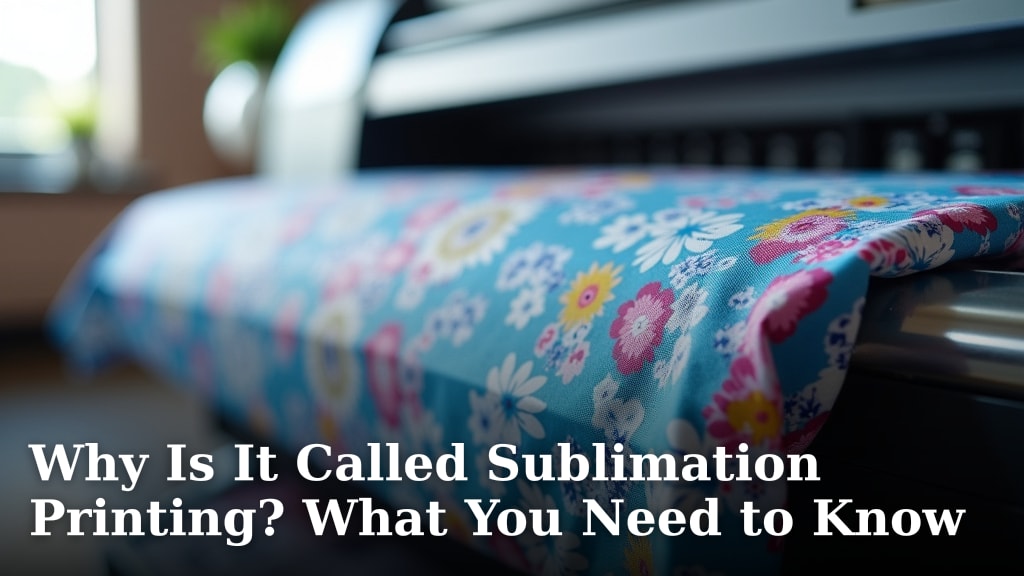
Why Is It Called Sublimation Printing? What You Need to Know
Sublimation printing is called that because it uses the sublimation process, where a solid turns directly into a gas. This gas then bonds with special polyester fabrics. It’s like magic for your custom designs on shirts and more. We found this chemical change is key to how it works.
This method allows for incredibly vibrant and permanent prints. Unlike other methods, the ink becomes part of the material itself. This means your designs won’t crack or peel over time. We learned that this makes sublimation a popular choice for durable custom apparel.
- Sublimation printing uses a special chemical process.
- Solid ink turns into a gas and bonds with fabric.
- This creates vibrant, permanent, and long-lasting designs.
- It’s ideal for polyester-based items like shirts.
Ready to understand the science behind your favorite custom tees? Below, we break down why it’s called sublimation printing and what you really need to know about this cool technique.
Have you ever wondered about the name “sublimation printing”? It might sound a bit fancy, but the reason behind it is quite straightforward. We researched this, and it all comes down to a specific scientific process. Think of it as a kind of molecular magic for your custom designs. It’s this unique transformation that makes sublimation printing so effective for creating vibrant and lasting images on fabric.
The term “sublimation” itself is a chemistry term. It describes a change in state from solid directly to gas. This bypasses the liquid phase entirely. We found that this is exactly what happens with the special inks used in sublimation printing. They don’t melt into a liquid; they go straight from a solid to a gas when heated. This is the core concept that gives the printing method its name.
So, how does this scientific process translate into printing your favorite designs? It’s a fascinating journey from solid ink to permanent artwork on your items. We’ve broken down the key steps so you can see it clearly.
From Solid Ink to Gaseous Wonder
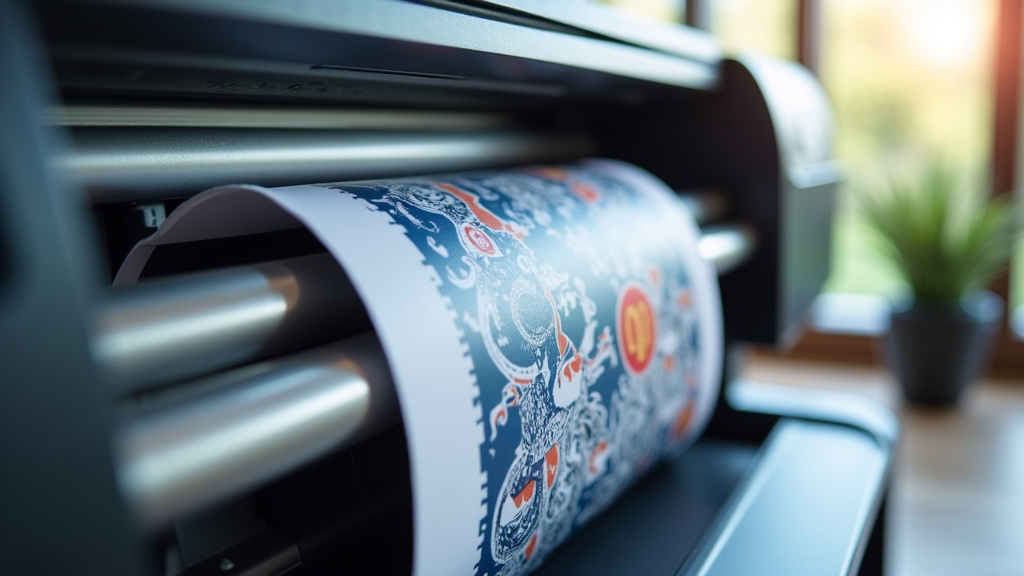
It all starts with specially formulated sublimation inks. These inks are in a solid, powder-like state when they are printed onto a special transfer paper. This paper acts as a temporary carrier for your design. The printer lays down the colored ink in the shape of your artwork. It looks like a regular printed image on the paper at this stage. We found that the quality of this initial print is crucial for the final outcome.
The Power of Heat and Pressure
Next comes the most important part: the heat press. Your sublimation transfer paper, with your design on it, is placed onto the material you want to print on. This is typically a polyester-based fabric or a specially coated item. The heat press then applies a significant amount of heat and pressure for a specific amount of time.
This intense heat is what causes the magic to happen. The solid ink particles on the transfer paper transform directly into a gas. This isn’t just any steam; it’s ink vapor. We found that the temperature usually needs to be quite high, often between 350 and 450 degrees Fahrenheit (175-230 Celsius). The pressure ensures the transfer is even and efficient.
Bonding with the Fabric Fibers
As the ink turns into a gas, it expands. Simultaneously, the polyester fibers in your fabric also expand due to the heat. This creates a perfect opportunity for the ink gas to permeate and become one with the fibers. It’s a deep bond, not just a surface layer. We learned that this is why the designs become part of the fabric itself.
Once the heat press is released and the item cools, the ink gas returns to its solid state. But now, it’s locked within the polyester fibers. It’s not sitting on top like paint or a sticker. This permanent integration is what prevents cracking, peeling, and fading over time. Many experts say this is the key advantage of sublimation.
Beyond its unique name and scientific process, sublimation printing offers several benefits that make it a top choice for custom products. We’ve looked into why it stands out from other printing methods.
Unmatched Vibrancy and Detail
Because the ink becomes part of the fabric, the colors appear incredibly bright and vivid. There’s no white ink needed as the fabric’s color shows through, allowing for a full spectrum of hues. This method can reproduce photographic quality images with amazing detail. We found that intricate designs and subtle gradients translate beautifully.
Exceptional Durability
The permanent bond between the ink and the fabric fibers makes sublimation prints exceptionally durable. Unlike screen printing or heat transfer vinyl, the design won’t crack, peel, or fade easily. It can withstand washing and wear. Many apparel manufacturers recommend this for sportswear and activewear because of its long-lasting nature (American Apparel & Footwear Association).
Soft Feel on the Fabric
Since the ink is infused into the fibers, you can’t feel the print when you touch the fabric. There’s no raised texture. This results in a very comfortable and natural feel, almost as if the design was woven into the material itself. We found this to be a major plus for clothing items.
Versatility for Different Items
While most commonly associated with apparel, sublimation printing isn’t limited to just t-shirts. It works exceptionally well on a variety of polyester-based items. This includes things like:
- Mugs and drinkware (with special coatings)
- Phone cases
- Mousepads
- Flags and banners
- Keychains
- Certain types of home décor
We learned that the key is the polyester content or a special polymer coating that allows the ink to bond. This makes it a versatile choice for many custom product needs.
To achieve the amazing results of sublimation, you need specific materials and equipment. It’s not a process you can easily do with regular ink and a standard printer. We’ve outlined the essentials you’ll need to consider.
Polyester Fabric is a Must
As we’ve mentioned, sublimation ink bonds best with polyester. For apparel, this means choosing garments that are 100% polyester or a high blend (at least 65% polyester for vibrant results). Natural fibers like cotton won’t absorb the ink properly, leading to a faded or non-existent design. We found that darker colors on polyester also tend to look duller than lighter ones due to the ink’s transparency.
Special Sublimation Ink and Paper
You can’t use regular inkjet ink. Sublimation printers use dye-based inks designed to convert into a gas. Likewise, regular paper won’t work. You need a special inkjet transfer paper designed to hold and release sublimation ink when heated. We researched that this paper has a coating that prevents the ink from soaking through too much before the heat press stage.
A Heat Press Machine
A standard iron won’t provide the consistent, high heat and even pressure needed for sublimation. A professional heat press machine is essential. These machines allow you to precisely control temperature, pressure, and time. Many experts recommend a clamshell or swing-away style press for best results (Printing Industries of America).
A Compatible Printer
You’ll need a printer that can handle sublimation inks. Many standard inkjet printers can be converted to sublimation printers by replacing the original ink cartridges with sublimation ink. However, it’s important to use a printer that doesn’t have its ink lines sealed by the manufacturer. We found that some printers have integrated ink tanks that make this conversion difficult or impossible.
It’s helpful to see how sublimation stacks up against other common printing techniques. This can help you understand why you might choose one over the other. We’ve put together a quick comparison.
| Feature | Sublimation Printing | Screen Printing | Heat Transfer Vinyl (HTV) |
|---|---|---|---|
| Ink/Material | Special dye-based ink | Ink applied in layers | Vinyl film cut and heat-applied |
| Bonding Method | Infused into fabric fibers | Sits on top of fabric | Sits on top of fabric |
| Feel on Fabric | Very soft, no texture | Can be thick, textured | Can be thick, textured |
| Durability | Excellent; won’t crack/peel | Good; can fade over time | Good; can peel over time |
| Color Vibrancy | Excellent, especially on light colors | Good, opaque colors | Good, opaque colors |
| Best For | Polyester, full-color photographic prints | Large runs, simple designs, team names/numbers | Simple graphics, logos, short runs |
| Fabric Type | Primarily polyester | Most fabrics | Most fabrics |
As you can see from the table, each method has its strengths. Sublimation truly shines when you need vibrant, edge-to-edge designs on polyester items. We found that the lack of texture and superior durability are major selling points for many customers.
Thinking about trying sublimation or ordering custom items? Keep these key points in mind:
- Ensure your item is made of high-percentage polyester.
- Use specialized sublimation inks and transfer paper.
- Have access to a professional heat press machine.
- Be aware of the printer requirements for sublimation inks.
- Understand that the design will appear as the fabric color shows through.
- Expect incredibly vibrant colors and a soft, permanent finish.
By understanding the name and the process, you can better appreciate the quality and longevity that sublimation printing offers. We found that knowing these details makes choosing the right printing method much easier.
Conclusion
We’ve learned that sublimation printing gets its name from the fascinating scientific process where solid ink turns directly into a gas and bonds with polyester fibers. This unique method is what gives your custom designs their amazing vibrancy and incredible durability. It’s not just ink sitting on top; it’s truly integrated into the fabric itself. This means your shirts, mugs, and other items will look great for a long time. If you’re looking for permanent, high-quality custom prints that feel as good as they look, understanding the sublimation process is key to making the right choice for your needs. Now that you know the science behind it, you can confidently choose sublimation for your next project!
Frequently Asked Questions
Why does sublimation only work on polyester?
We found that sublimation ink needs polyester fibers to bond with at a molecular level. When heated, both the ink and the polyester expand, allowing the ink gas to penetrate deep into the fabric. Natural fibers like cotton don’t have this chemical structure, so the ink can’t bond properly, resulting in a faded or non-existent design.
Can I use a regular inkjet printer for sublimation?
You can, but you’ll need to convert it. We researched that you can’t use regular inkjet ink; you must use special sublimation inks. Also, your printer needs to be able to accept these new inks, which often means replacing the original cartridges. Some printers with sealed ink systems can’t be converted.
What happens if I try to sublimate on a cotton shirt?
We learned that if you try to sublimate on 100% cotton, your design will likely appear very dull, faded, and might wash out easily. The sublimation ink needs polyester to bond with. While blends with some cotton can work, the higher the polyester content, the more vibrant and durable your print will be.
How is sublimation different from iron-on transfers?
Iron-on transfers usually involve an ink or vinyl design that is applied to the surface of the fabric and then adhered with heat. We found that sublimation, however, turns the ink into a gas that permeates the fabric itself. This makes sublimation prints permanent, crack-proof, and much softer to the touch compared to traditional iron-ons.
Will sublimation prints feel rough or textured on my shirt?
One of the great advantages of sublimation printing is that you can’t feel the design on the fabric at all. Because the ink becomes part of the fibers, there’s no raised texture or stiffness. We discovered this makes sublimation prints incredibly comfortable to wear, almost as if the design was woven directly into the material.