Is Sublimation Printing Waterproof? A Straightforward Answer
Yes, sublimation printing is essentially waterproof once properly heat-pressed. The special inks used turn into a gas under heat and pressure. This gas then infuses directly into the polyester fibers of your material. This means the ink becomes a permanent part of the fabric, rather than sitting on top like a sticker. Because of this, it won’t wash off or fade with water exposure, making it a Our guide to the sublimation process explains how inks bond with materials.highly durable printing method for many applications.
When we talk about sublimation, we’re referring to a process that creates long-lasting, vibrant prints. This is why it’s so popular for apparel, banners, and mugs. The key is that the ink doesn’t just sit on the surface; it becomes one with the material. This makes the final product resistant to water, UV rays, and everyday wear and tear. You can expect your designs to stay bright and bold through many washes and outdoor uses.
TL;DR:
- Sublimation prints are waterproof after heat pressing.
- Ink becomes part of the fabric, not just a layer on top.
- This makes them resistant to washing and fading.
- It’s a durable choice for custom designs.
Ready to dive deeper? Below, we’ll go over what makes sublimation waterproof and what you should keep in mind for the best results.
Understanding the Waterproof Nature of Sublimation Prints
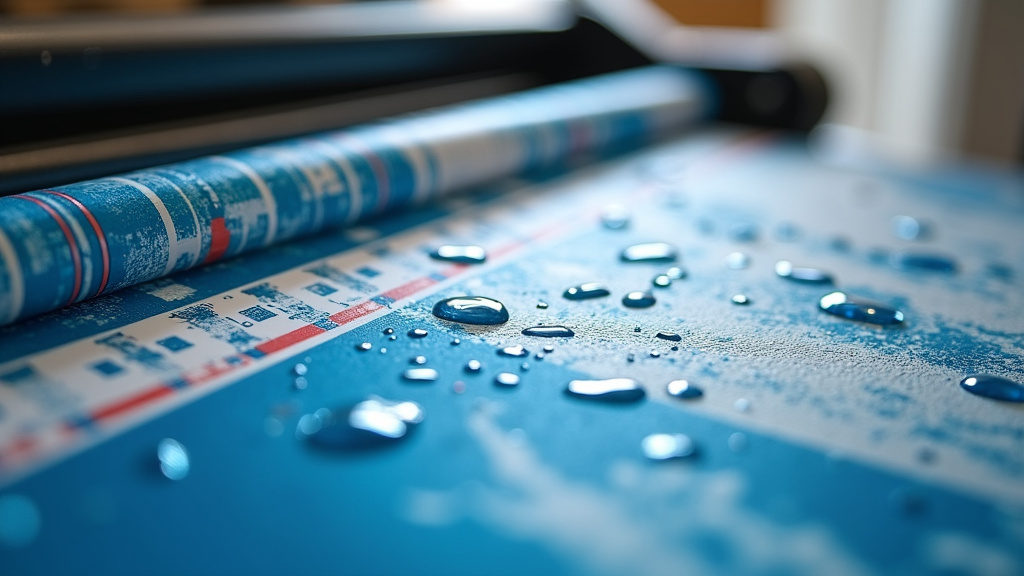
So, is sublimation printing waterproof? The short answer is a resounding yes. Once the sublimation process is complete and the ink has bonded with your material, you’re looking at a print that laughs in the face of water. This means no more worrying about your custom designs fading away after a single wash or a splash of rain. It’s a really dependable way to get your artwork onto products.
The magic behind this waterproof quality lies in how sublimation works. Unlike other printing methods where ink sits on top of the fabric, sublimation ink transforms into a gas. This gas then permeates the very fibers of the material you’re printing on. Think of it like dyeing the fabric from the inside out. This permanent bond is what makes the print resistant to water, washing, and general wear and tear. It’s a permanent infusion, not just a surface coating.
The Science Behind Sublimation’s Durability
Let’s get a little technical, but in a simple way. Sublimation printing uses special polyester-based inks. When heated, these inks turn from a solid into a gas. This process is called sublimation. Your printer applies these inks to a special transfer paper. Then, a heat press machine is used. The heat press applies intense heat and pressure.
Under this heat and pressure, the ink on the transfer paper turns into a gas. This ink gas then enters the polyester fibers of your chosen material. The cool-down period is just as important. As the material cools, the ink gas turns back into a solid. It becomes permanently locked within the fibers. This is why the print is so durable and waterproof. The ink is part of the material itself.
Ink That Becomes Part of the Fabric
Imagine painting on a piece of paper versus dipping the paper into dye. The dye soaks into the paper and becomes part of it. Painting just puts color on the surface. Sublimation is like that dyeing process. The ink molecules are absorbed deep into the polyester fibers. They become a new part of the fabric’s structure.
This method is quite different from screen printing or direct-to-garment (DTG) printing. Those methods often involve laying ink on top of the fabric. While they can produce vibrant results, the ink can be more susceptible to wear. It might crack, peel, or fade over time, especially with repeated washing. Sublimation, on the other hand, offers a smoother, more integrated finish that holds up beautifully.
The Role of Polyester
It’s important to mention that sublimation works best on polyester or polyester-coated items. This is because the sublimation ink bonds best with polyester fibers. When you’re printing on 100% polyester fabric, you get the most vibrant and waterproof results. If you’re working with blends, like cotton-polyester mixes, the ink will only bond with the polyester content.
This means the print might look a bit more faded or vintage on lower polyester blends. You can still achieve a good result, but it won’t be as sharp or as waterproof as on pure polyester. For items like mugs or phone cases, they need a special polyester coating for sublimation to work. This coating allows the ink to adhere and become permanent. For items like mugs, a special polyester coating is needed for sublimation.
Factors Affecting Waterproofing and Durability
While sublimation printing is inherently waterproof, a few factors can influence how well your print holds up over time. Getting these right ensures your designs stay looking great, wash after wash.
The Heat Pressing Process: Quality Matters
The heat pressing stage is critical. Proper heat, pressure, and time are essential for the ink to fully gasify and infuse into the material. If any of these are incorrect, the ink might not bond properly. This could lead to a print that is less durable and potentially less waterproof.
For instance, not enough heat means the ink won’t turn into a gas efficiently. Too much heat for too long can damage the material. Incorrect pressure can prevent the ink gas from properly entering the fibers. Manufacturers of sublimation equipment and supplies usually provide specific settings for different materials. Following these guidelines is key to achieving a high-quality, waterproof print.
Ink Quality and Transfer Paper
Not all sublimation inks and papers are created equal. Using high-quality sublimation inks is crucial. These inks are formulated to sublimate effectively and produce vibrant colors. Cheap or incompatible inks might not gasify correctly. They could also result in duller colors or prints that fade more easily.
Similarly, the transfer paper plays a role. Good transfer paper is designed to release the ink efficiently when heated. It should also prevent ink from bleeding or ghosting. Using the correct type of paper ensures that most of the ink transfers to your material, creating a dense and lasting image. We’ve found that reputable brands often provide the most consistent results.
Material Type and Preparation
As mentioned, polyester content is king for sublimation. Materials that are 100% polyester or have a high polyester count will yield the most waterproof and durable results. Always check the material composition of your blanks before you start printing.
Proper preparation of your material is also important. The surface should be clean and free of dust or oils. Any contaminants can interfere with the ink transfer. Some items, like t-shirts, might need to be pre-pressed for a few seconds before printing. This removes moisture and wrinkles, ensuring a flat surface for the transfer. This simple step can make a big difference in the final print quality and its waterproof capabilities.
Comparing Sublimation to Other Printing Methods
To truly appreciate why sublimation is considered waterproof, it helps to see how it stacks up against other common printing techniques. This comparison really highlights its strengths for durability.
| Printing Method | Ink Application | Waterproof Resistance | Durability | Best For |
|---|---|---|---|---|
| Sublimation | Infuses ink into fibers (gas form) | Excellent – Ink is part of the material | Excellent – Resists fading and washing | Polyester fabrics, coated hard goods |
| Screen Printing | Ink is applied as a layer on top | Good, but can wear over time | Good, but can crack or peel | Large runs, thick designs, various fabrics |
| DTG (Direct-to-Garment) | Ink is sprayed onto the fabric surface | Moderate – Ink can wash out over time | Moderate – Can fade or crack with washing | Full-color photographic prints on cotton |
| Heat Transfer Vinyl (HTV) | Vinyl is cut and heat-pressed onto the surface | Excellent – Vinyl is a physical layer | Good, but can peel or lift at edges | Simple designs, logos, names, numbers |
Looking at this, you can see that while HTV creates a physical waterproof layer, it can still peel. Sublimation’s waterproof quality comes from the ink being inherently part of the material, which is a different kind of durability. Many find this internal bonding superior for long-term color retention.
Maintaining Your Sublimation Prints for Longevity
Even though sublimation prints are waterproof, a little care can go a long way in keeping them looking their absolute best for years to come. It’s less about protecting them from water and more about general fabric care.
Washing and Drying Instructions
For sublimation-printed apparel, we recommend washing inside out. This adds an extra layer of protection to the print, though it’s not strictly necessary for waterproofing. Use cold or warm water, not hot. Hot water can potentially affect the ink over very long periods, though this is rare. Mild detergent is also best. Avoid using bleach or harsh fabric softeners, as these can break down the ink over time.
When it comes to drying, tumble dry on low heat or hang dry. High heat in the dryer can be tough on any printed fabric, even sublimation. Over time, excessive heat could, in theory, cause some slight fading. However, compared to other methods, sublimation is incredibly resilient. You’ll find your prints stay vibrant much longer.
Avoiding Direct Heat and Harsh Chemicals
While the ink is bonded, it’s still a good idea to be mindful of extreme conditions. Avoid direct ironing on the printed area. If you must iron, always do so inside out or place a protective cloth over the print. This prevents any potential damage or distortion of the ink.
Steer clear of harsh chemicals and solvents. Things like nail polish remover or strong cleaning agents can damage the ink or the fabric. They aren’t typically encountered during normal use, but it’s worth knowing. Think of your sublimation print as a vibrant, permanent part of the fabric that just needs standard, good care.
Key Takeaways for Waterproof Sublimation
To sum up what makes sublimation printing so reliably waterproof, remember these key points:
- The special inks used turn into a gas under heat.
- This ink gas permanently infuses into polyester fibers.
- The ink becomes part of the fabric, not just a surface layer.
- This process creates prints that are highly resistant to water and washing.
- Polyester content and correct heat pressing are vital for optimal results.
- With proper care, your sublimation prints will remain vibrant for a very long time.
Conclusion
You’ve learned that sublimation printing truly delivers on its waterproof promise. The magic happens when special inks transform into a gas, permanently bonding with polyester fibers during heat pressing. This isn’t just a surface coating; it’s an infusion that makes your designs resistant to water and washing. Remember that using high-quality inks, the right transfer paper, and sufficient polyester content are key to achieving these durable, vibrant results. Now that you’re an expert, you can confidently choose sublimation for your next custom project, knowing your designs will last.
Frequently Asked Questions
Can I wear sublimation-printed clothes in the rain?
Absolutely. Because the ink is infused into the fabric itself, sublimation prints are completely waterproof. You don’t need to worry about rain or splashes affecting your design’s integrity or color when you’re wearing your sublimation-printed apparel.
Will sublimation prints fade if I wash them frequently?
Sublimation prints are known for their excellent resistance to fading, even with frequent washing. The ink is permanently bonded within the polyester fibers, so it won’t easily wash out or break down like surface-applied inks might over time.
Is sublimation printing waterproof on cotton t-shirts?
Sublimation printing works best on 100% polyester or items with a high polyester count. On cotton or cotton blends, the ink only bonds to the polyester fibers, so the print may appear faded or washed out and will not be fully waterproof.
Can I iron over a sublimation print?
It’s best to avoid ironing directly on the printed area of a sublimation design. If you need to iron it, always do so from the inside out or place a protective cloth over the print to prevent any potential damage or distortion to the ink.
What makes sublimation prints more waterproof than DTG prints?
The key difference is how the ink is applied. Sublimation ink infuses into the fabric fibers, becoming part of the material. DTG ink is sprayed onto the fabric surface, making it more susceptible to wear and washing over time, which can affect its waterproof qualities.