What Is Sublimation Printing Used For? What This Means for You
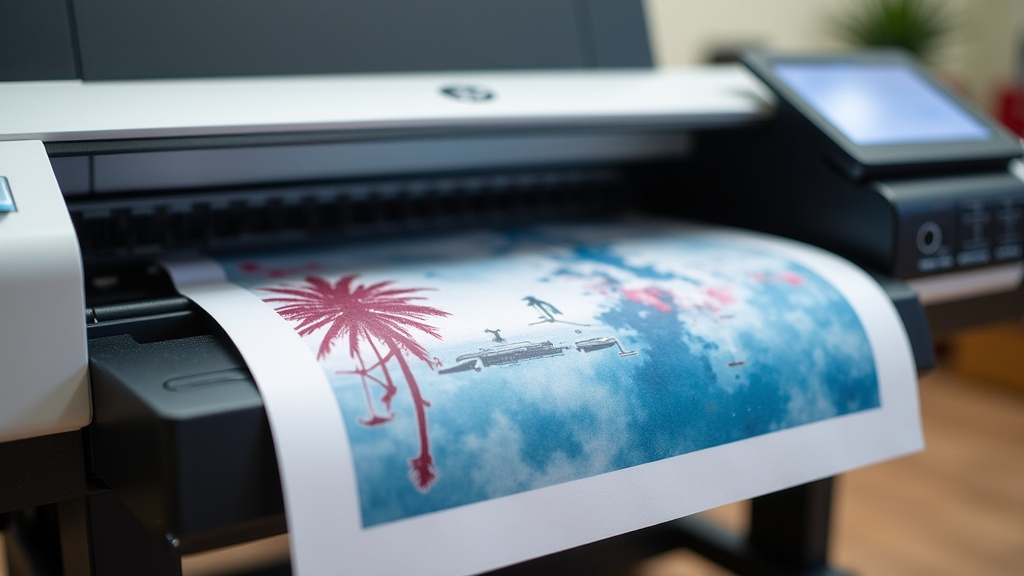
Sublimation printing is a process that uses heat and special ink to turn a design into a gas, which then bonds permanently with materials like polyester fabric or coated hard surfaces. It’s the reason your custom mug or vibrant team jersey stays bright and won’t peel off after a few washes.
This method is popular because it produces full-color, photographic-quality images that feel seamless on the item. We found it’s used for more than just clothing; it’s great for personalized gifts, promotional items, and professional signage. It means you get durable, professional-looking products for your business or personal projects.
- Sublimation printing infuses ink directly into materials, not on top.
- It works best on white or light-colored polyester fabrics and coated items.
- You can create all-over prints without the heavy, plastic feel of other methods.
- It’s ideal for one-off custom pieces or short production runs.
- The final product is washable, scratch-resistant, and very durable.
Below, we’ll walk you through the most common items made with this technique and what you should consider if you’re thinking about using it for your own ideas.
Common Uses for Sublimation Printing
Sublimation printing is used to create vibrant, permanent images on specific items. We found it’s most popular for custom apparel, home goods, and promotional products. The key is that the ink becomes part of the material itself. This means the design won’t crack, peel, or wash away like a surface print would.
Apparel and Clothing
Clothing is the biggest category for this technology. It allows for brilliant, full-wrap designs that feel completely smooth to the touch. You get a professional look without the stiff, plastic feel of some other printing methods.
Team Uniforms and Jerseys
Sports teams love sublimation. Why? Because it can handle complex logos, player names, and numbers all over the shirt. The entire jersey can be designed at once. Many experts say this method provides the best color accuracy for team branding. It’s also very durable for the rough-and-tumble of sports.
All-Over Print Fashion
Think of those trendy t-shirts and dresses covered in a seamless pattern from collar to hem. That’s often sublimation at work. It allows designers to print edge-to-edge on fabric panels before they’re sewn together. The result is a clean, high-end look for fashion brands and custom boutiques.
Activewear and Performance Gear
Yoga pants, athletic shorts, and moisture-wicking shirts often use this process. The ink bonds with synthetic fabrics like polyester, which are common in activewear. The print doesn’t clog the fabric’s pores, so it keeps its breathable, moisture-wicking properties. This is a big deal for comfort and performance.
Home Goods and Décor
Sublimation isn’t just for what you wear. It brings personalization into your living space. Items are coated with a special polymer layer that accepts the sublimated ink.
Mugs and Drinkware
Personalized coffee mugs are a classic sublimation product. The image wraps around the entire mug and is dishwasher-safe. We found that hard-coated items like ceramic mugs and water bottles are perfect candidates. The process creates a glossy, photo-quality finish.
Throw Pillows, Blankets, and Curtains
You can print family photos or custom art onto polyester-based home textiles. A sublimated pillowcase will have an image that’s part of the fabric, not a sticker on top. This means it stays soft and doesn’t scratch your face. It’s a great way to create unique home décor.
Promotional Products and Merchandise
Businesses use sublimation to make high-quality branded items. These products feel more premium than typical giveaways, which makes your brand stand out.
Business Merchandise
Items like tote bags, mouse pads, and phone cases are common. Because the print is durable, your logo will look good long after the item is given away. Research from the Advertising Specialty Institute shows that useful, high-quality promotional products have a higher perceived value.
Event Giveaways and Souvenirs
Weddings, reunions, or corporate events can feature custom keepsakes. Think personalized ornaments, photo puzzles, or custom coasters. The ability to produce small runs cost-effectively makes this ideal for special events.
Professional and Industrial Uses
Beyond consumer goods, sublimation has practical business applications. Its durability and color fidelity are valuable in professional settings.
Signage and Displays
Polyester fabric displays, like trade show banners and retractable signs, are often sublimated. The fabric can be folded for transport without cracking the image. The colors remain vibrant under indoor lighting, which is crucial for attracting attention at events.
Product Customization and Prototyping
Small businesses use it to create product samples or limited-edition runs. You can test a design on a few dozen items before committing to a massive order. This lowers the risk for entrepreneurs testing new products.
What Sublimation Means for Your Projects
Knowing where it’s used is one thing. Understanding what it means for your specific idea is another. Here’s how to think about it for your own needs.
Durability and Longevity
Sublimation creates a permanent bond. A common analogy is that the dye becomes a part of the item, like how wood absorbs a stain. Your design will withstand washing, scratching, and UV exposure better than many alternatives. For items that see heavy use, this is a major advantage.
Material Limitations
This process has a rulebook. It only works on items that are mostly polyester or have a special polymer coating. Natural fibers like 100% cotton won’t hold the ink properly. The fabric also needs to be white or very light-colored for the colors to show up correctly. This is a critical constraint to plan around.
Cost vs. Quality Considerations
The startup cost for professional sublimation equipment is high. However, for small to medium runs, the cost per item is very reasonable. We found it’s often more cost-effective than screen printing for multi-color designs with no minimums. You pay for the quality and the no-fuss durability.
Comparison to Other Printing Methods
How does it stack up? The table below breaks down the main differences for common projects.
| Feature | Sublimation Printing | Direct-to-Garment (DTG) | Screen Printing |
|---|---|---|---|
| Best For | Polyester apparel, hard-coated items | Cotton t-shirts, detailed photos | Bulk orders, simple bold designs |
| Feel | Completely smooth, no texture | Soft, ink sits in fibers | Slightly raised, plasticky feel |
| Durability | Extremely high, won’t crack or fade | Good, but can fade with heavy wash | Very high, good for heavy use |
| Minimum Order | Can do one-offs easily | Can do one-offs | High minimums, not cost-effective |
Is Sublimation the Right Choice for You?
Not every project needs sublimation. Use this checklist to see if it’s a good fit for what you have in mind.
- My item is polyester or has a special coating. (This is non-negotiable.)
- I need a design with lots of colors or a photo. (Sublimation shines here.)
- The design needs to be durable and washable. (It will last for years.)
- I want a smooth feel with no texture. (You’ll get that.)
- My order quantity is small to medium. (It’s cost-effective at these levels.)
- The base item is white or light-colored. (Colors need a light background to pop.)
If you can check most of these boxes, sublimation is likely a fantastic solution. It offers a professional, long-lasting finish that both you and your customers will appreciate.
Conclusion
Sublimation printing is a smart choice for projects that need vibrant, permanent designs on polyester or coated items. We found it excels in durability, creating prints that won’t crack or fade over time. It’s perfect for custom apparel, home décor, and promotional products where quality matters. Remember, it works best on light-colored materials and offers great value for small to medium runs. If you’re planning a custom project and want a professional, long-lasting result, start by checking if your items meet the material requirements. You’ll be on your way to creating something impressive.
Frequently Asked Questions
What materials can I use with sublimation printing?
Sublimation printing works best on polyester fabrics and items with a special polymer coating. It’s not suitable for natural fibers like 100% cotton, as the ink won’t bond properly. Always check the material composition before starting your project.
Can I sublimate on dark-colored items?
No, sublimation printing requires a light-colored base, typically white or very light shades, for colors to show up correctly. Dark fabrics won’t allow the vibrant inks to appear as intended. Stick to light backgrounds for best results.
How do I care for sublimated products?
Sublimated items are durable and washable, but it’s best to wash them in cold water and avoid high heat drying. This helps preserve the vibrancy of the print for years. Treat them gently, and they’ll stay looking great.
Is sublimation printing eco-friendly?
Sublimation printing uses water-based inks that bond with materials without producing waste. It’s considered more environmentally friendly than some other methods, as there’s no excess ink or chemicals. However, the polyester materials themselves may have environmental impacts.
What is the typical turnaround time for sublimation orders?
Turnaround times can vary based on the complexity and quantity of your order. For small runs, it often takes a few days to a week. Always check with your provider for specific timelines to plan accordingly.