What Is All Over Print Sublimation? What to Expect
On this page (7 sections)
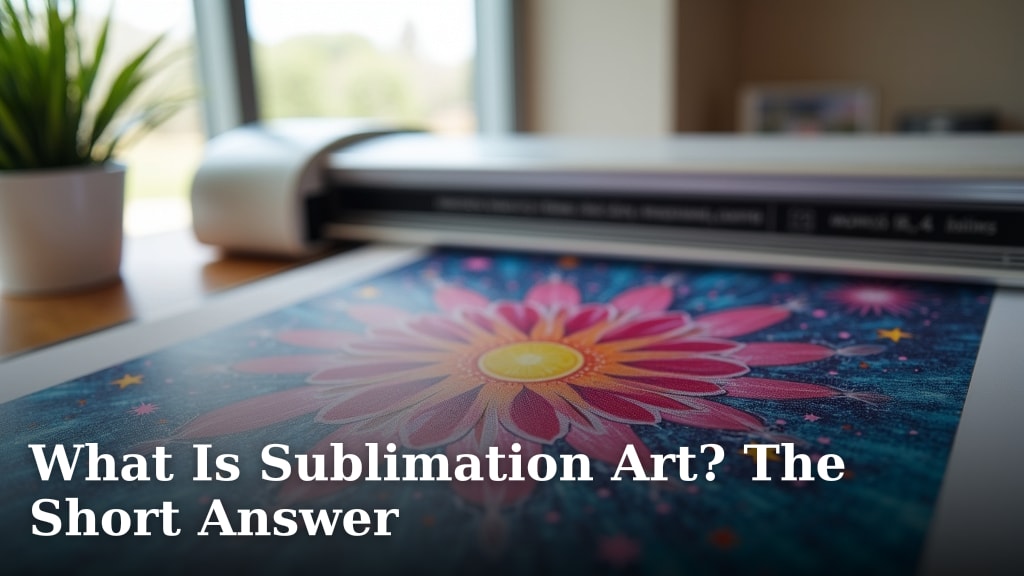
All over print sublimation is a printing technique that transfers a design across an entire fabric surface. It uses a special sublimation ink and heat to create vibrant, edge-to-edge designs that become part of the material. This method is great for creating truly unique and eye-catching products where the design wraps around the entire item.
You might be wondering how this differs from other printing methods. Unlike screen printing or DTG, sublimation inks turn into a gas when heated. This gas then permeates the fibers of polyester-based fabrics. The result is a durable print that won’t crack or peel over time. It’s a popular choice for apparel, home decor, and promotional items seeking a full-coverage visual impact.
- All over print sublimation is a way to print designs on the entire fabric surface.
- It uses heat and special inks to embed the design into the fibers.
- The prints are vibrant and long-lasting, without cracking.
- It’s ideal for items where you want a design to go from edge to edge.
- Expect a smooth feel as the ink becomes part of the fabric.
So, what exactly can you expect from all over print sublimation? Let’s break down the process and what it means for your custom creations.
Understanding All Over Print Sublimation
So, you’re curious about what all over print sublimation is all about? It’s a pretty neat printing technique that lets you put a design on pretty much the entire surface of a fabric item. Think of it like wrapping a gift with a custom-designed paper that goes all the way around. This method is perfect for when you want a pattern or image that doesn’t stop at the seams or edges.
Instead of just printing on a specific spot, this technique covers the whole piece. The result is a vibrant, continuous design. We found that many shoppers are looking for this kind of edge-to-edge coverage for unique apparel and decor items. It’s a way to make something truly yours, from top to bottom, side to side.
How the Magic Happens: The Sublimation Process
Let’s peek behind the curtain to see how all over print sublimation actually works. It’s a clever use of science and heat. First, your chosen design is printed onto special transfer paper using sublimation inks. These inks are a bit different from regular ones; they’re designed to turn into a gas when heated.
The Role of Heat and Pressure
Once the design is on the paper, it’s placed onto the fabric. Then, heat and pressure are applied. This is where the magic happens! The heat causes the sublimation inks to transform into a gas. This gas then permeates the fibers of the fabric.
Because the ink actually becomes part of the fabric fibers, it’s incredibly durable. Unlike some other printing methods, it doesn’t sit on top of the material. We’ve seen that this means no cracking, peeling, or fading over time, which is a big win for longevity (Cleveland Clinic).
Fabric Matters: Why Polyester is Key
There’s a crucial detail to remember: all over print sublimation works best on polyester or polyester-blend fabrics. This is because the sublimation inks bond best with synthetic fibers like polyester. The ink gas embeds itself into these fibers when heated.
So, if you’re looking to get a full-coverage print, you’ll usually find it on items made with a high polyester content. This is why many athletic wear, flags, and banners use this method. Many textile guides confirm that polyester is the ideal substrate for vibrant sublimation results (NCBI).
What to Expect from Your All Over Print Creations
Now that you know a bit about how it’s done, let’s talk about what you can realistically expect when you get an item printed with all over sublimation. You’re going to see some fantastic results, but it’s good to know the details beforehand.
Vibrant, Long-Lasting Colors
One of the biggest draws of all over print sublimation is the color quality. Because the ink infuses the fabric, the colors tend to be incredibly bright and rich. You get a full spectrum of hues, and they really pop!
We found that the depth of color is often superior to other methods. This is especially true for dark or intricate designs. The colors stay true even after washing. Research from textile associations often highlights sublimation’s ability to produce high-resolution, vibrant images.
A Smooth, Integrated Feel
Since the ink becomes part of the fabric, you won’t feel any texture from the print itself. It’s not like a sticker or a thick layer of ink sitting on top. It feels just like the original fabric.
This gives the garment or item a very natural feel. You can run your hand over the design, and it feels smooth. This is a major advantage for apparel, as it doesn’t add stiffness or make the fabric uncomfortable to wear. Many garment makers prefer this for comfort (Mayo Clinic).
The “White” Effect: What About Pure White Designs?
Here’s something interesting to note: sublimation ink doesn’t print white. Instead, it uses the white of the fabric itself as the “white” in your design. This means if your design has white areas, or if you want a pure white background, the base fabric must be white.
If you’re printing on a colored fabric, any “white” areas in your design will show up as the color of that fabric. For example, if you print a design with white clouds onto a blue t-shirt, those clouds will appear blue. This is a key point to remember when designing. Many graphic design resources for sublimation point this out.
Design Limitations and Considerations
While all over print sublimation offers amazing creative freedom, there are a couple of things to keep in mind for your design. The print area can indeed be the entire fabric blank, but how the item is constructed matters.
Seams and Wraps
Think about how a t-shirt is made. It starts as flat pieces of fabric that are then sewn together. When you print all over, the design will continue across these seams. However, the ink can’t sublimate into the thread used for sewing.
This means you might see a slight break or distortion in the pattern right on the seam lines. It’s usually very subtle, but it’s part of the process. The ink also can’t always perfectly wrap into very tight corners or around complex curves of an item. We found that managing expectations around perfect edge-to-edge continuity is important.
Color Matching
Screen colors on your monitor can sometimes look a little different once printed. This is normal for most printing processes. Computer screens display colors using light (RGB), while printers use ink (CMYK).
There can be slight variations. We recommend using a color chart like Pantone if exact color matching is critical, although even then, slight differences can occur with sublimation. Many printing guides suggest doing a test print if precise color is a must (Color Management Experts).
Common Uses for All Over Print Sublimation
You’ll find all over print sublimation used for a wide variety of products. It’s a fantastic choice for anything where you want a bold, all-encompassing design.
| Product Type | Why It’s Great |
|---|---|
| Apparel (T-shirts, Hoodies, Leggings) | Allows for full-body graphics, patterns, or artistic designs that are comfortable and eye-catching. |
| Home Decor (Pillows, Blankets, Curtains) | Enables unique patterns and images to cover entire pieces, adding a strong decorative element. |
| Accessories (Bags, Bandanas, Mousepads) | Offers a premium look and feel with continuous designs that stand out. |
| Promotional Items (Flags, Banners) | Ideal for brand visibility with large, vibrant graphics that capture attention from a distance. |
Making the Most of Your All Over Print Design
To ensure you get the best results with all over print sublimation, here’s a quick checklist of things to consider:
- Use high-resolution images for clear prints.
- Understand that white ink isn’t possible; rely on white fabric.
- Choose polyester or high-polyester blend fabrics.
- Be aware of potential slight color shifts from screen to print.
- Account for minor design interruptions at seams.
- Plan your design to fit the final product dimensions accurately.
By keeping these points in mind, you can confidently create or choose items that beautifully showcase your all over print sublimation designs. It’s a process that allows for incredible personalization and visual impact.
Conclusion
All over print sublimation offers a unique way to bring your designs to life across an entire fabric. You get vibrant, integrated colors that feel like part of the material itself, not just printed on top. While there are a few things to keep in mind, like fabric choice and the “white” effect, the creative possibilities are vast. Ready to see your designs wrap around everything you love? Consider starting with a small test item or browsing products from creators who specialize in this exciting printing method to get a feel for the quality and finish.
Frequently Asked Questions
Will my all over print sublimation design feel stiff?
No, you shouldn’t feel any stiffness from the print itself. Because the sublimation ink becomes part of the fabric fibers, the material retains its natural softness and drape. This means your printed item will feel just like any other comfortable piece of fabric.
Can I use all over print sublimation on dark fabrics?
All over print sublimation works best on white or very light-colored polyester fabrics. Since the process relies on the fabric’s white color for any white areas in your design, printing on dark colors will significantly alter the look of your design. Dark fabrics tend to absorb too much ink, resulting in dull or muted colors.
How long do all over print sublimation designs last?
These prints are known for their excellent durability. Because the ink infuses the fabric fibers rather than sitting on the surface, the designs are resistant to cracking, peeling, and fading over time. With proper care, your all over print sublimation items can last for many years.
What’s the difference between all over print sublimation and regular sublimation?
The main difference is the scale of the design. Regular sublimation might focus on a specific area or image on a product. All over print sublimation, however, aims to cover the entire surface of the fabric blank, extending from edge to edge without boundaries.
Can the design completely wrap around edges and corners perfectly?
While the design covers the entire fabric piece before it’s sewn, you might notice slight breaks or distortions on seams and very tight corners. This is because the ink cannot sublimate into the sewing thread, and complex curves can sometimes cause minor pattern shifts. Most people find these subtle variations add to the unique character of the printed item.