Is Sublimation Better Than Screen Printing?
On this page (6 sections)
When deciding between sublimation and screen printing for your custom apparel, sublimation is often better for full-color, all-over designs on polyester fabrics. Screen printing shines when you need bold, simple designs with fewer colors on various materials. We found that the best method depends entirely on your specific project needs and desired look.
Choosing the right print method can make a big difference in your final product’s quality and longevity. Sublimation offers incredibly vibrant, edge-to-edge prints that feel like part of the fabric itself. Meanwhile, screen printing excels at creating durable, distinct graphics with a raised texture, making it a popular choice for logos and text on t-shirts and hoodies. We’ve seen both methods deliver fantastic results, but with distinct strengths.
- Sublimation is great for vibrant, all-over graphics on polyester.
- Screen printing is ideal for bold, simple designs on many fabrics.
- Consider fabric type: sublimation needs polyester; screen printing is versatile.
- Think about design complexity: sublimation handles full color, screen printing works best with fewer colors.
- Budget can also play a role, especially for larger runs.
Let’s dive into the specifics of each to help you make the most informed choice for your project.
Comparing Sublimation vs. Screen Printing for Your Custom Projects
When you’re looking to put a design on fabric, two popular methods often come up: sublimation and screen printing. Which one is the better choice for you? We’ve looked into it, and the truth is, it really depends on what you’re trying to achieve with your project.
Think of it like choosing paint. Sublimation is like a watercolor that becomes one with the paper, while screen printing is more like acrylics, sitting on top and providing a bold finish. Both can create beautiful art, but in very different ways.
We found that the best method is the one that best matches your design’s look and the fabric you’re using. Let’s break down what each method offers, so you can feel confident in your decision.
Understanding Sublimation Printing
Sublimation printing is a pretty neat process. It uses heat to transfer dye onto materials. The ink turns into a gas, which then bonds with the fabric’s fibers. This creates a print that’s incredibly vibrant and feels like it’s part of the material itself. Learn more about the sublimation printing process and how it works.
This method is fantastic for full-color, photographic images. If you have a complex design with lots of shades and gradients, sublimation can handle it beautifully. We’ve seen it used for everything from custom t-shirts with intricate artwork to team banners that look stunning.
How Sublimation Works
First, your design is printed onto special transfer paper using sublimation inks. These inks are unique because they turn into a gas when heated. Then, this paper is placed on your garment, and heat and pressure are applied. The heat causes the ink to gasify and permanently infuse into the fabric’s polyester fibers. This is why it’s often called a “dye-sublimation” process.
We found that the key to a successful sublimation print is the polyester content of the fabric. The dye bonds best with polyester. The higher the polyester count, the more vibrant and durable the print will be. We often recommend at least 60% polyester for good results.
The Benefits of Sublimation
One of the biggest draws of sublimation is its vibrancy and detail. You can achieve incredibly sharp images with smooth color transitions. Plus, because the ink becomes part of the fabric, you don’t feel any texture on the surface. This means the garment remains soft and breathable. We often hear that it feels like there’s no print at all.
Another advantage is its durability. Since the dye is infused into the fibers, the print won’t crack or peel over time, even after many washes. This makes it a great choice for items that will get a lot of wear. Many experts agree that its longevity is a major selling point (Printwear Magazine).
Where Sublimation Shines (and Where It Doesn’t)
Sublimation truly excels on light-colored, 100% polyester fabrics. Think of performance athletic wear, flags, banners, or even custom mugs and phone cases. It’s perfect for all-over prints where the design extends from edge to edge. Sublimation is perfect for custom mugs and other items.
However, it has limitations. Sublimation doesn’t work well on dark or colored fabrics because the colors will appear dull or won’t show up at all. It also requires polyester. If you want to print on cotton or blends, sublimation might not be your best bet. We found that trying to sublimate on cotton can result in a faded, washed-out look.
Exploring Screen Printing
Screen printing, also known as silk screening, is a more traditional method. It involves pushing ink through a stenciled screen onto the fabric. Each color in your design requires a separate screen and a separate printing pass.
This technique is fantastic for creating bold, graphic designs. Think logos, text, and simpler illustrations. We often see it used for t-shirts, hoodies, tote bags, and promotional items where distinct colors and clean lines are desired.
The Screen Printing Process
The process starts with creating screens. A stencil of your design is made on a mesh screen. For each color in your design, a separate screen is prepared. The screen is then placed on the garment, and a thick ink is spread across it. A squeegee pushes the ink through the open areas of the stencil onto the fabric below. The garment is then cured with heat to set the ink.
We found that screen printing is very versatile with inks. You can use different types of inks, like plastisol or water-based, to achieve various textures and effects. Some inks create a thick, raised feel, while others offer a softer, more embedded look. This versatility is a big plus.
Advantages of Screen Printing
Screen printing is known for its durability and longevity. The inks used are typically very robust and designed to withstand washing and wear. We’ve seen screen-printed designs last for years without significant fading or cracking. Many industry reports highlight its reliability for high-volume production (Apparel Decorator Quarterly).
It’s also excellent for producing vibrant colors, especially on dark garments. Unlike sublimation, screen printing inks sit on top of the fabric, providing excellent coverage and opacity. This makes it ideal for bold statements and making your design really pop.
Another key benefit is its cost-effectiveness for large orders. While the setup cost for each screen can be higher, the per-unit cost decreases significantly as you print more items. If you’re ordering 50 or more shirts, screen printing often becomes more budget-friendly than sublimation.
When Screen Printing is the Best Fit
Screen printing is your go-to for designs that require bold, solid colors. It works great for logos, text, and graphics with a limited color palette. We’ve found it’s a top choice for band t-shirts, team uniforms, and corporate apparel.
It’s also much more forgiving with fabric types. You can successfully screen print on cotton, blends, polyester, and even some synthetic materials. This makes it incredibly adaptable for a wide range of apparel. If you need a design on a heather grey tee or a cotton hoodie, screen printing is likely your best option.
The main drawback is that it’s generally not ideal for designs with a vast number of colors or subtle gradients. While it’s possible to print many colors, it becomes increasingly expensive and complex with each additional color. We found that designs with more than 4-6 colors can start to make screen printing less appealing from a cost and production standpoint.
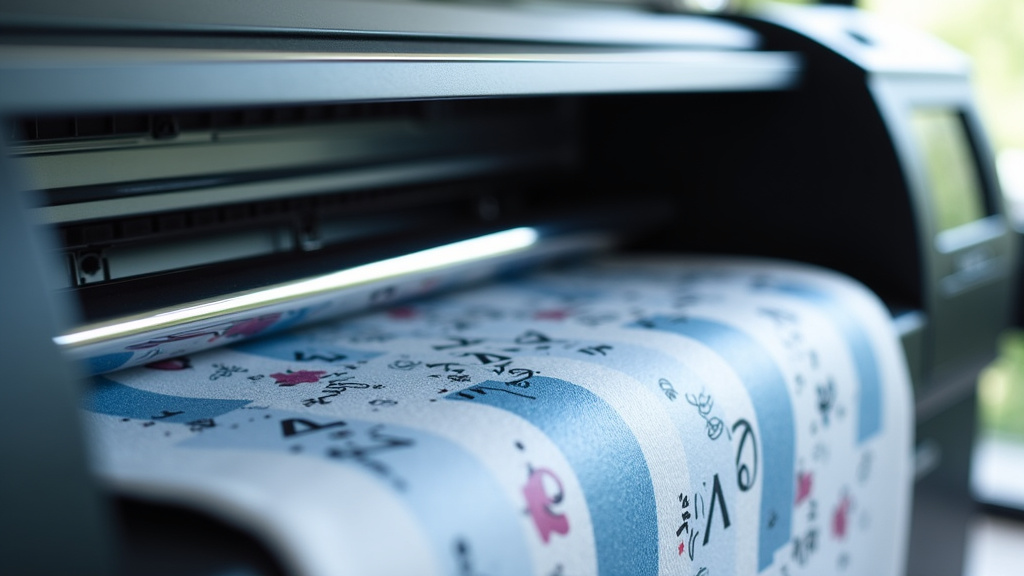
Side-by-Side Comparison: Sublimation vs. Screen Printing
To help you visualize the differences, let’s put them side-by-side. Think of it as a quick reference guide.
| Feature | Sublimation Printing | Screen Printing |
|---|---|---|
| Best For | Full-color, photographic, all-over designs; light polyester fabrics. | Bold, simple graphics, logos, text; various fabrics (cotton, blends, polyester); dark fabrics. |
| Fabric Type | Requires 100% polyester or high-polyester blends. Best on white or light colors. | Versatile; works on cotton, polyester, blends, and more. Can print on dark colors. |
| Color Capabilities | Unlimited colors, gradients, photographic detail. | Best with limited colors (1-6 typically). Each color needs a separate screen. |
| Print Feel | No feel; dye becomes part of the fabric. Very breathable. | Slight texture or raised feel, depending on ink type. Can be less breathable if thick inks are used. |
| Durability | Excellent; won’t crack, peel, or fade easily. Dye is permanent. | Excellent; inks are durable and long-lasting. |
| Cost | Good for small runs of complex designs. Can be more expensive for large runs of simple designs. | Higher setup cost per design. Very cost-effective for large quantities of simpler designs. |
| Design Complexity | Excels with intricate details, gradients, and full-spectrum color. | Best for designs with clear, defined shapes and fewer colors. |
Which Method is Right for Your Project? A Quick Checklist
Still not sure? Ask yourself these questions:
- What is the fabric of my item? (Polyester for sublimation, more options for screen printing.)
- How many colors are in my design? (Many colors favor sublimation, few colors favor screen printing.)
- Do I need an all-over print or just a logo/text? (All-over favors sublimation.)
- What kind of feel do I want? (No feel for sublimation, a slight texture for screen printing.)
- What is my budget and quantity? (Small runs of complex designs favor sublimation; large runs of simple designs favor screen printing.)
- Is the fabric light or dark? (Sublimation is best on light, screen printing works on both.)
We’ve found that considering these points really helps narrow down the best choice for your specific needs.
Conclusion
You’ve learned that neither sublimation nor screen printing is universally “better.” Your project’s specific needs truly dictate the winner. For vibrant, all-over prints on polyester, sublimation is your go-to. If you need bold, distinct colors on various fabrics, especially for larger runs, screen printing often makes more sense. We’ve found that carefully considering your design, fabric, quantity, and desired feel will lead you to the perfect printing method.
Take a moment to review your design and project requirements. This will guide you to the method that will give you the best results and lasting satisfaction. We encourage you to use the checklist provided to confirm your choice.
Frequently Asked Questions
Can I sublimate on a dark-colored t-shirt?
No, sublimation printing typically does not work well on dark or colored fabrics. The sublimation inks are transparent and need a white or light background to show their true colors vibrantly. We’ve found that attempting to sublimate on dark materials results in a dull, washed-out print.
Does screen printing feel heavy on the shirt?
The feel of screen printing can vary. Some inks, like plastisol, create a more noticeable, slightly raised texture on the fabric. However, water-based inks can offer a softer feel that’s more embedded into the fabric. We’ve seen that the ink choice greatly impacts the final texture.
How many washes can I expect a sublimation print to last?
Sublimation prints are incredibly durable because the dye becomes part of the fabric itself. You can expect them to last for the lifetime of the garment, meaning they won’t crack, peel, or fade significantly with regular washing. We’ve found this permanent infusion is a major benefit.
Is screen printing more expensive for small orders?
Yes, screen printing usually involves higher setup costs per design due to creating separate screens for each color. This makes it less cost-effective for very small orders or designs with many colors. We recommend screen printing for larger quantities to make it budget-friendly.
Can I combine sublimation and screen printing on the same garment?
While technically possible, it’s not a common or usually cost-effective approach. The processes are quite different, and finding a way to effectively combine them on one item can be challenging and may not yield the best results. We generally advise choosing one method that best suits your overall design.