Sublimation vs Screen Printing: The Basics
On this page (6 sections)
When deciding how to put your design on apparel, understanding the difference between sublimation printing and screen printing is key. Sublimation is best for light-colored polyester fabrics and creates a permanent, full-color image that won’t fade. Screen printing works on a wider variety of materials, including cotton, and is ideal for bold, simple designs with fewer colors.
Choosing the right method depends on your project’s needs and desired look. We found that while sublimation offers vibrant, all-over prints, screen printing is a versatile choice for quantities and cost-effectiveness. Both have their strengths for creating custom apparel.
- Sublimation: Best for polyester, light colors, full color, permanent.
- Screen Printing: Great for cotton and blends, bold designs, cost-effective for bulk.
- Consider your fabric type and design complexity.
- Think about how many items you need.
Let’s break down the basics of sublimation and screen printing so you can make the best choice for your custom creations.
Understanding Your Custom Apparel Printing Options
You’ve got a fantastic design idea for custom apparel. That’s exciting! Now comes the important part: figuring out the best way to get that design onto your shirts, hoodies, or bags. Two popular methods are sublimation printing and screen printing. Each has its own unique strengths. We found that understanding these differences can save you time and ensure you get exactly what you’re hoping for. Let’s break down what makes each method tick.
What is Sublimation Printing?
Sublimation printing is a really cool process. It uses heat to transfer ink directly into the fabric. Think of it like the ink becoming one with the material. We found that this results in a print that’s incredibly durable and feels like part of the shirt itself. There’s no raised ink or texture.
How Sublimation Works
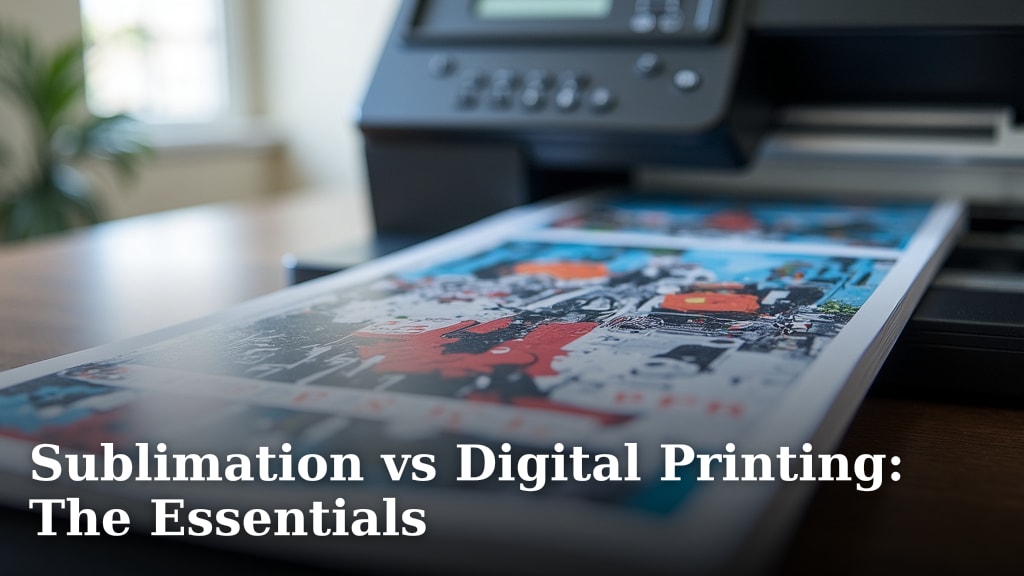
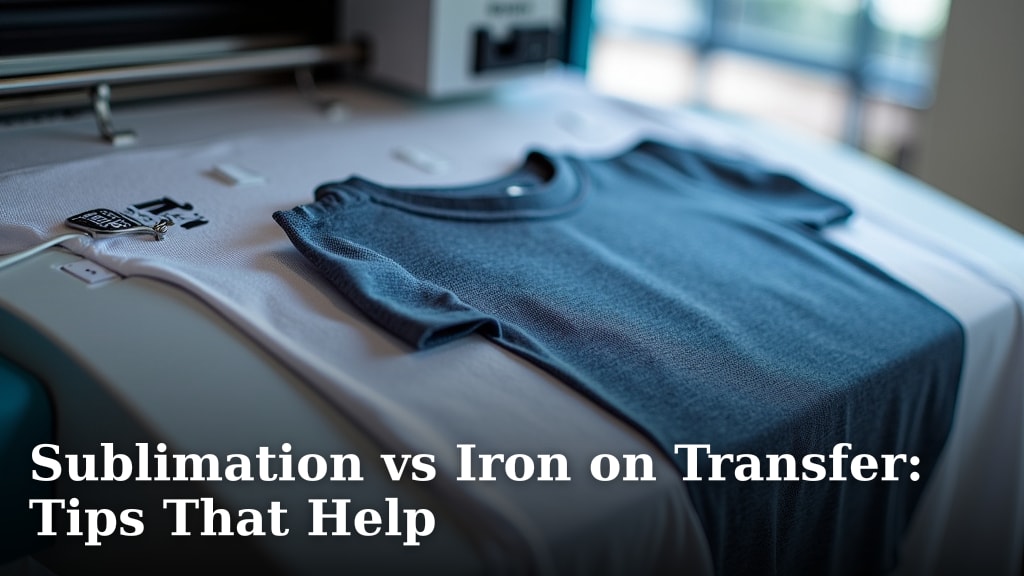
It all starts with a special sublimation ink. This ink is printed onto a transfer paper. Then, a heat press is used. It applies intense heat and pressure. This process turns the solid ink into a gas. The gas then seeps into the polyester fibers. Once it cools, the ink turns back into a solid, permanently embedded within the fabric. We found that this is what makes the print so resistant to fading and cracking. Learn more about how the sublimation process works specifically for creating a sublimation mug.
The Best Fabrics for Sublimation
Sublimation works best on fabrics that are at least 65% polyester. The higher the polyester content, the more vibrant your colors will be. For the absolute best results, 100% polyester is ideal. We’ve seen that white or very light-colored fabrics are also crucial. Because sublimation inks are transparent, any color in the fabric will show through the printed design. Darker fabrics or designs don’t work well with this method.
What Kind of Designs Shine with Sublimation?
This method is fantastic for full-color, photographic images. Think about intricate gradients, detailed photos, or designs with a wide spectrum of colors. We found that sublimation allows for edge-to-edge printing, meaning you can have designs that cover the entire garment. It’s great for vibrant, all-over patterns or complex artwork that you want to look absolutely stunning.
Pros of Sublimation Printing
- Permanent bond: The ink becomes part of the fabric.
- Vibrant colors: Achieves bright, true-to-life hues.
- No cracking or peeling: The print lasts as long as the garment.
- Full-color capability: Handles complex images and gradients easily.
- Breathable: The fabric remains soft and breathable, as there’s no added layer.
Cons of Sublimation Printing
- Fabric limitations: Primarily works on polyester or high-polyester blends.
- Color limitations: Works best on white or light-colored garments.
- Higher initial cost for small runs: Setup can be more involved for just one or two items.
- Limited texture: If you want a raised print, this isn’t the method.
What is Screen Printing?
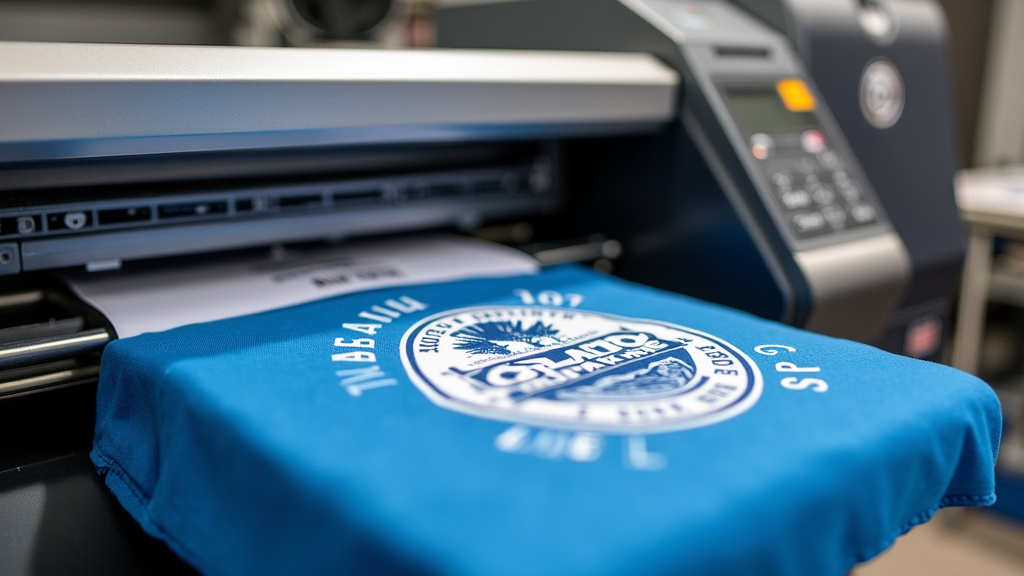
Screen printing, also known as silk screening, is a more traditional method. It involves pushing ink through a stencil onto a garment. We found that this creates a bold, opaque design that sits on top of the fabric. It’s a very popular choice for custom apparel for good reason.
How Screen Printing Works
The process starts with a screen, which is like a mesh frame. A stencil of your design is created on this mesh. For each color in your design, a separate screen is usually needed. The screen is placed over the garment. Ink is poured onto the screen. A squeegee is then used to push the ink through the stencil onto the fabric below. The garment is then cured with heat to set the ink.
The Best Fabrics for Screen Printing
One of screen printing’s biggest advantages is its versatility with fabrics. It works wonderfully on cotton and cotton blends. Many experts suggest it’s also great for polyester, nylon, and even some heavier materials like canvas. We’ve found it’s a reliable choice for a wide range of apparel and promotional items.
What Kind of Designs Shine with Screen Printing?
Screen printing excels with simpler, bold designs. Think logos, text, and graphics with distinct shapes and a limited number of colors. Because each color requires a separate screen, designs with too many colors can become expensive quickly. We found that it’s perfect for creating eye-catching graphics that really stand out.
Pros of Screen Printing
- Fabric versatility: Works on a wide variety of materials, especially cotton.
- Durability: The ink is generally long-lasting.
- Bold and opaque colors: Achieves bright, solid colors, even on dark fabrics.
- Cost-effective for bulk orders: The more you print, the lower the per-item cost.
- Texture options: Can achieve raised ink effects or special finishes.
Cons of Screen Printing
- Limited color complexity: Designs with many colors can be expensive and complex to set up.
- Less suitable for photographic images: Gradient and fine details can be difficult to reproduce accurately.
- Slightly raised feel: The ink sits on top of the fabric, which some people notice.
- Minimum order quantities: Often requires a certain number of items to be cost-effective.
Key Differences Summarized
Let’s quickly look at how these two methods stack up against each other. We found that the choice often comes down to your design and the material you’re using.
| Feature | Sublimation Printing | Screen Printing |
|---|---|---|
| Best Fabric | Polyester (white or light colored) | Cotton, Blends, Polyester, Nylon |
| Ink Application | Infuses into fibers | Sits on top of fabric |
| Color Capacity | Full color, gradients, photos | Limited colors, bold graphics |
| Durability | Permanent, no cracking/peeling | Durable, can fade over many washes |
| Feel | Soft, breathable, no texture | Slightly raised texture |
| Best For | Vibrant, detailed, all-over prints | Bold logos, text, bulk orders |
Which Method is Right for Your Project?
To help you decide, consider these points. If you want a design that’s a full-color photograph or has many gradients, sublimation is likely your best bet. You’ll need polyester shirts, though. We found that for simple logos or text on cotton t-shirts, especially if you need a lot of them, screen printing is often the more economical and practical choice.
Ask yourself:
- What kind of fabric do I want my items to be made from?
- How many colors are in my design?
- Do I need a photographic-quality image, or a bold graphic?
- How many items do I need to order?
By answering these questions, you’ll be much closer to choosing the printing method that will bring your custom apparel vision to life perfectly. We found that considering these factors upfront makes the entire process smoother.
Conclusion
You’ve now seen how sublimation and screen printing each offer unique ways to customize your apparel. Sublimation excels with vibrant, all-over color on polyester, feeling like part of the fabric. Screen printing provides bold, opaque designs on a wider variety of materials, especially cotton, and is often more budget-friendly for larger orders. We found that understanding your fabric, design, and quantity needs is the real key. Think about what you want your final product to look and feel like. Then, make the choice that best brings your vision to life.
Frequently Asked Questions
Can I sublimate on dark t-shirts?
Generally, no. Sublimation inks are transparent and work best on white or very light-colored polyester fabrics. Darker fabric colors will show through the ink, making your design appear faded or the wrong color. We’ve found it’s best to stick to light garments for vibrant sublimation results.
Is screen printing good for small batches?
Screen printing can be less cost-effective for very small batches. This is because each color in your design requires a separate screen to be set up. We found that the per-item cost typically decreases significantly as your order quantity increases.
Will a sublimated print eventually peel or crack?
No, a properly done sublimation print becomes part of the fabric itself. This means it won’t crack, peel, or fade over time like some other printing methods. We’ve seen that it offers incredible longevity, as the ink is infused into the polyester fibers.
Can screen printing handle detailed photos?
Screen printing is best for simpler, bold designs. While some detail is possible, it’s not ideal for photographic images with subtle gradients or very fine lines. We found that the process is most effective when using a limited number of solid colors for sharp results.
Which method feels more comfortable on a shirt?
Sublimation printing typically feels softer and more breathable because the ink is infused into the fabric fibers. Screen printing inks sit on top of the fabric, which can sometimes create a slightly raised texture. We found that most people prefer the feel of sublimation for activewear or very soft t-shirts.