What Is Heat Transfer Sublimation? A Beginner’s Explanation
Heat transfer sublimation is a printing method that uses ink and heat to transfer a design directly onto a surface. It involves turning a solid ink into a gas that bonds with the material, creating a permanent design. You often see this process used on items like mugs, t-shirts, and phone cases.
This technique is popular because it produces vibrant, full-color images that don’t easily peel or fade. It works by first printing the design on special paper and then applying heat with a press. Many experts say it’s a preferred choice for custom merchandise due to its durability and quality finish.
- It’s a printing method that turns solid ink into a gas to bond with a surface.
- The process creates a smooth, durable, and full-color finish on many items.
- It’s commonly used for personalizing products like clothing, mugs, and decorations.
- It requires special ink, paper, and a heat press to transfer the design.
- The result is a long-lasting image that resists peeling and fading.
Below, we break down everything you need to know about heat transfer sublimation, from how it works step by step to what makes it different from other printing methods. Let’s walk through exactly how this popular process happens.
Understanding How Sublimation Printing Works
At its heart, heat transfer sublimation is a fascinating chemical process. It’s all about a special type of ink that can change its state. Think of it like this: you start with a solid design printed on paper. When you apply precise, high heat, that solid ink turns directly into a gas, skipping the liquid phase entirely. This gaseous ink then bonds with the fibers of the material you’re printing on.
The Science Behind the Ink’s Transformation
The magic lies in the ink’s molecular structure. Sublimation inks are designed to undergo this change at specific temperatures, usually between 350°F and 400°F. Once the ink is a gas, it permeates the surface of the material—typically a polymer or synthetic fabric. As it cools, the gas turns back into a solid, becoming a permanent part of the item. This isn’t a layer sitting on top; it’s a dye fused within the material.
Why It Doesn’t Wash or Peel Off
Because the ink becomes one with the material, the resulting print is incredibly durable. You won’t feel a plasticky texture, and the design won’t crack or peel after repeated washing or use. For items you plan to use daily, like your favorite coffee mug or a regularly worn t-shirt, this permanence is a major advantage. Many experts in the custom apparel industry point to this as a key benefit for long-lasting merchandise.
What You Need for Sublimation Printing
You can’t just use any printer and paper. Sublimation requires a specific set of materials to work correctly. Using the wrong supplies is the most common reason for faded or blurry prints. Here’s a straightforward list of what’s essential.
- Sublimation Ink: This is a special dye, not a standard inkjet ink. It’s formulated to turn into gas.
- Sublimation Paper: This paper is designed to hold the ink on its surface and release it completely when heated. Regular paper won’t work.
- A Sublimation Printer: You need an inkjet printer that’s been filled with sublimation ink. Many people start with a converted Epson printer.
- A Heat Press: A regular iron won’t do. A heat press provides consistent, even heat and pressure needed for the chemical reaction.
- The Blank Item: This must be polyester or have a special polyester coating. Cotton items generally won’t accept the dye.
A Step-by-Step Look at the Process
Let’s walk through a typical project, like printing a custom design onto a polyester t-shirt. The process is logical once you see each phase. We found that following these steps carefully ensures a clean, vibrant result.
Step 1: Design and Print
You start on your computer. Create or choose your design, then print it onto the sublimation paper using your sublimation printer. Remember to print a mirror image! The design will transfer in reverse, just like stamping it onto the item.
What Does “Mirroring” Mean?
When you print text like “HELLO” onto the paper, it will look backwards on the page. This is correct. When you place the paper face-down on your shirt and apply heat, the design flips back to read “HELLO” properly on the fabric. Forgetting this step is an easy but frustrating mistake.
Step 2: Prepare the Item
Place your blank shirt on the lower platen of the heat press. Pre-press it for about 5-10 seconds. This removes wrinkles and moisture, which can interfere with the transfer. A smooth, dry surface is key.
Step 3: Transfer the Design
Position your printed sublimation paper face-down onto the pre-pressed shirt. Use heat-resistant tape to secure it in place so it doesn’t shift. Close the heat press and apply the recommended time, temperature, and pressure. For most apparel, this is around 385°F for 45-60 seconds.
Step 4: The Reveal
When the timer goes off, open the press and carefully remove the shirt. Let it cool for a moment, then peel away the sublimation paper. The gas has escaped, leaving only the vibrant, permanent dye behind on the fabric. You’ll notice the paper looks almost blank—the ink has fully transferred.
Key Benefits of Using Sublimation
So, why choose this method over others? Sublimation isn’t for every project, but for the right item, it offers distinct advantages. It’s a favorite for creating professional-looking, durable products without the high cost of setup for large orders.
- Full-Color, Photorealistic Prints: It handles complex, colorful designs with gradients and fine details beautifully. There’s no limit on colors.
- Soft-to-the-Touch Finish: Since the dye becomes part of the fabric, there’s no added layer. The shirt feels the same where printed as where it isn’t.
- Excellent Durability: The print won’t crack, peel, or wash away. It’s designed to last for the lifetime of the product.
- Great for Small Runs: You can print one item or a hundred with the same effort per piece, making it perfect for personalizing single gifts.
Common Items Best Suited for Sublimation
Not everything can be sublimated. The material must be able to accept the gaseous dye, which is why you see it used on specific products. Think of items made from polyester, or those with a special polymer coating.
Apparel and Fabric Goods
This is the most common use. Sublimation works wonderfully on 100% white or light-colored polyester shirts, jerseys, pillowcases, and tote bags. The dye shows up best on a white or light base because it’s translucent. Printing a bright design on a dark navy shirt will result in a muted image unless the shirt is made of white polyester and the dark color is part of the sublimated design itself.
Hard-Surface Items with Coating
Many solid objects have a polyester coating applied specifically for sublimation. This includes ceramic mugs, metal water bottles, phone cases, mouse pads, and even aluminum photo panels. The coating acts as the receptive layer for the sublimated ink.
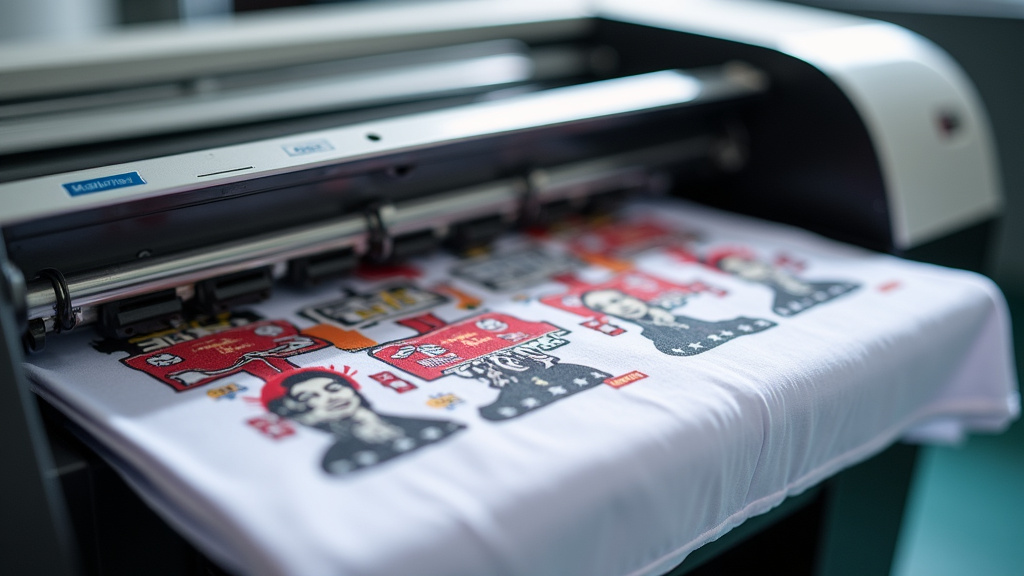
Sublimation vs. Other Popular Printing Methods
It helps to understand where sublimation fits in the world of printing. Each method has its sweet spot. Here’s a simple comparison table to highlight the main differences you’ll encounter as a shopper or hobbyist.
| Feature | Sublimation | Vinyl Transfer (HTV) | Screen Printing |
|---|---|---|---|
| Print Feel | Soft, part of fabric | Raised, plasticky layer | Smooth, slight texture |
| Color & Detail | Unlimited colors, photos | Best for solid colors/logos | Good for simple designs |
| Durability | Very high, permanent dye | Can crack or peel over time | Very high, durable ink |
| Best For | Complex, full-color designs on polyester | Names, numbers, simple logos | Bulk orders of one or two color designs |
| Minimum Order | One item | One item | Often requires larger runs |
Caring for Your Sublimated Products
While the print is extremely durable, proper care helps the item last even longer. The dye is permanent, but the fabric or coating around it still needs gentle treatment. This is straightforward maintenance.
Washing Instructions
Wash the item inside out in cold water. Use a gentle cycle and mild detergent. Avoid bleach or harsh stain removers, as they can damage the fabric fibers holding the dye. Let it air dry or use a low-heat setting in the dryer. The goal is to protect the material, not the print, which won’t be affected by washing.
What to Avoid
Never iron directly on the printed area. If the item needs ironing, turn it inside out and use a low heat setting. For hard goods like mugs, they are generally dishwasher safe on the top rack, but hand washing is always a safer bet to preserve the glossy finish for years.
Is Heat Transfer Sublimation Right for Your Project?
Before you buy a kit or order a custom product, ask yourself a few quick questions. Sublimation shines in specific scenarios but isn’t the universal solution for all printing needs. Here’s a quick checklist to help you decide.
- Is your item at least 50% polyester or does it have a special coating? If it’s 100% cotton, sublimation will not work.
- Do you need a photo or a design with many colors? If yes, sublimation is an excellent choice.
- Will the item be washed or used frequently? Its durability makes it ideal for everyday use items.
- Are you making just one or a few items? The process is cost-effective for small quantities.
- Is a soft, no-feel finish important to you? If you dislike the thick layer of vinyl, you’ll prefer sublimation.
If you answered “yes” to most of these, then sublimation printing is likely a great fit. It delivers a professional, lasting result that can make your custom items truly stand out. You’re now
Conclusion
Heat transfer sublimation is a fantastic choice for durable, vibrant prints that stand the test of time. By turning ink into a gas that bonds with fabrics and coatings, it creates designs that are truly part of the item. You’ve learned what it is, how it works, and when to use it. For your next step, consider experimenting with a beginner kit or ordering a single custom item to see the quality firsthand. It’s a rewarding process that can bring your creative ideas to life.
Frequently Asked Questions
What materials can I use for sublimation printing?
Sublimation works best with polyester fabrics or items with a polyester coating. It doesn’t adhere well to natural fibers like 100% cotton, so always check the material composition before starting your project.
Do I need a special printer for sublimation?
Yes, you need a sublimation printer or an inkjet printer converted to use sublimation ink. Regular printers and inks won’t produce the required chemical reaction, so investing in the right equipment is essential.
Is sublimation printing expensive for beginners?
The initial setup can cost a few hundred dollars for a printer, ink, and heat press. However, it’s cost-effective for small projects since you can print one item at a time without bulk orders.
How long do sublimated prints last?
Sublimated prints are highly durable and can last as long as the item itself. The dye bonds with the material, so it won’t peel, crack, or fade easily with proper care and washing.
Can I sublimate on dark-colored fabrics?
Sublimation ink is translucent, so it shows up best on white or light-colored fabrics. Printing on dark colors will result in muted designs unless the fabric is specifically designed for sublimation.