How to Sublimate a Glass Container
To sublimate a glass container, use a sublimation-ready polymer-coated blank, wrap the printed transfer smoothly around its curve, and apply heat using the blank maker's instructions. Ordinary glass won't take sublimation ink without a suitable coating.
On this page (8 sections)
- Can you sublimate a glass container?
- What supplies help with a curved glass transfer?
- How do you prepare the glass container?
- Should you use a press or an oven for curved glass?
- How do you heat the wrapped container safely?
- What causes uneven or faded glass sublimation?
- How should you care for a sublimated glass container?
- What should you choose for your first curved glass project?
To sublimate a glass container, use a sublimation-ready polymer-coated blank, wrap the printed transfer smoothly around its curve, and heat it according to the blank maker's instructions. Ordinary glass won't take sublimation ink without a suitable coating.
The curve makes transfer fit important. Wrinkles, loose edges, or gaps between paper and coating can leave pale or blurred areas, so choose a heat method that suits the container's shape.
Can you sublimate a glass container?
Yes, if the container has a sublimation-compatible coating and can safely handle the heat. Sublimation ink bonds to a polymer surface, not bare glass, so check that the blank is made for sublimation before starting.
For more on coatings and suitable blanks, read Can You Sublimate Glass? What You Should Know.
Also check how the blank should be cleaned and cared for after pressing.
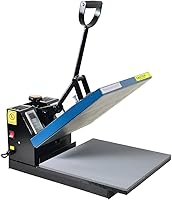
A rounded jar, bottle, or canister may not sit evenly in a flat press. The container's shape, coating, and maker's heat directions should guide your choice between a compatible press and an oven method.
What supplies help with a curved glass transfer?
Use sublimation paper and ink, a coated glass blank, heat-resistant tape, and a method that fits the container. For an oven process, a shrink sleeve can help hold the transfer against curved surfaces.
Measure the printable area and make a paper template before printing. Leave enough overlap to secure the seam without placing thick folds over the design.
These sleeves are 8 x 12 in, and the pack contains 60. Their use instructions give 320°F for 4 minutes as an oven example, while noting that time and temperature vary by oven.
Use that example only as sleeve guidance, not as a universal setting for glass. The blank maker's directions and your oven's behavior matter too.
If you want more options for curved drinkware, compare best sublimation shrink wrap sleeves for tumblers. For other ways to hold transfers in place, see our guide to best silicone wraps for sublimation.
How can heat tape keep the transfer in place?
Heat-resistant tape can secure the paper seam and help limit movement during heating. Keep it taut without pulling the transfer out of alignment, and avoid covering printed areas when possible.
MEBMIK's tape is a single-sided polyimide film with a heat-resistant adhesive. It comes in six rolls, each 10 mm wide and 33 m long, and is rated to 250°C.
Tape can help hold a transfer, but it won't fix a loose fit or an unevenly shaped blank. Make sure the paper sits close to the surface all around the printable area.
How do you prepare the glass container?
Start with a clean, dry blank and a transfer sized to its printable area. Remove dust and handling marks using a cleaning method the blank maker allows, then let the surface dry fully.
Print with sublimation ink on the correct side of compatible paper. Trim excess paper so it doesn't bunch around the base, rim, or seams.
Wrap the transfer around the container, aligning the design before taping the seam. Smooth from the center toward the edges to press out air pockets and creases.
For tapered containers, a rectangular transfer may need a wedge or curved cut so its edges meet without overlapping. Our guide to sublimation on tapered tumblers explains how to plan a design around a taper.
Should you use a press or an oven for curved glass?
Choose the heat method recommended for the blank and suited to its shape. A compatible press can apply heat around a container when its surface fits the press, while an oven method may suit full wraps on curved blanks.
Don't force a round vessel into a flat press that contacts only one narrow area. Uneven pressure can make the result vary across the design.
For an oven method, use a heat-safe sleeve or other approved transfer holder, and keep the container away from surfaces that could be damaged by heat. Don't use a household oven for food after using it for sublimation unless its maker confirms that this is safe.
Avoid combining different equipment settings or using a tumbler recipe as a glass-container setting. For a broader overview of sublimation glass temperature and time, start with the blank's own instructions and adjust only through careful testing on a similar coated item.
Can a tumbler blank help you practice the wrap?
A straight sublimation tumbler can help you practice aligning a full-wrap transfer before working on a more complex container. It gives you a consistent curved surface for learning how the paper seam and sleeve fit together.
The set includes 10 straight 20 oz tumbler blanks, shrink wrap films, heat tape, lids, straws, and individual gift boxes. Its straight shape is described as easy to print with a full wrap.
This is a practice option, not a substitute for a glass blank's heat directions. Check the instructions for whichever blank and equipment you use.
How do you heat the wrapped container safely?
Follow the sublimation blank's temperature and time instructions, and handle the heated container carefully. Use the correct method for the shape and don't assume a setting for one glass blank will suit another.
Secure the transfer so it cannot shift, then place the container as directed by the equipment maker. Keep hands clear of hot surfaces and use heat-safe gloves or tools when the process calls for them.
After heating, let the container cool as its instructions require. Avoid sudden temperature changes, such as setting hot glass on a cold or wet surface, since thermal shock can break glass.
What causes uneven or faded glass sublimation?
Poor coating, weak contact, movement, and unsuitable heat settings are common causes of a weak transfer. Inspect the blank and wrap before changing settings.
- Pale areas: Check for gaps between paper and coating, then confirm the blank is sublimation-ready.
- Blurred edges: Make sure the paper stayed still and the sleeve or press held it evenly.
- Marks or creases: Smooth the transfer and remove folds before heating.
- Uneven color: Review the blank maker's method and the equipment's temperature consistency.
Don't increase heat or time blindly. Change one part of the setup at a time on a similar blank, and keep notes so you can repeat a result that works.
How should you care for a sublimated glass container?
Use the care instructions supplied for the blank and its coating. Don't assume that a sublimated surface is dishwasher-safe, microwave-safe, or suitable for every kind of use.
If the container will hold food or drink, confirm that its coating is intended for that use. For a decorative piece, tell the recipient how to clean it safely.
Glass blanks should be stored and handled to avoid chips and sudden temperature changes. For more on blank shelf life, see do glass sublimation blanks go off.
What should you choose for your first curved glass project?
Choose a coated blank with clear heat directions and a shape you can wrap without wrinkles. Use tape to hold the seam, and consider a shrink sleeve when the approved process calls for one.
Practice the wrap on a similar item before printing a detailed design. If you're comparing glass with another surface, our guide to how to sublimate on dark shirts explains why substrate color and coating change the result.
Frequently asked questions
Can you sublimate any glass container?
No. Sublimation ink needs a compatible polymer coating to bond to the surface, so ordinary glass isn't a suitable blank by itself.
Choose a container sold as sublimation-ready, check its care and heat instructions, and test your transfer setup on a similar blank before making a gift or a batch.
Can I sublimate a curved glass container in a flat heat press?
A flat press may not make even contact with a curved container, which can leave parts of the design faint or uneven. Use a press or oven method intended for the blank's shape, and follow the container maker's temperature, time, and pressure guidance.
How do I keep sublimation paper from shifting on glass?
Wrap the transfer snugly and secure its edges with heat-resistant tape, keeping the tape away from the printed area where possible. For an oven method, a correctly sized shrink sleeve can hold paper against curved surfaces; smooth out folds and gaps before heating.
Does sublimation damage glass containers?
Glass can crack or break if it is heated unevenly, shocked by a fast temperature change, or used outside its heat guidance. Use only a blank and method rated for sublimation, avoid sudden cooling, and handle the hot container with suitable protection.