What Is DTF Transfer vs Sublimation? Here’s the Answer
On this page (6 sections)
When choosing between DTF transfers and sublimation, DTF is generally more versatile for printing on a wider range of fabrics, including cotton blends and dark colors. Sublimation, on the other hand, works best on polyester or high-polyester content and produces vibrant, permanent colors on white or light-colored items. Understanding this key difference helps you pick the right method for your project.
Both DTF (Direct to Film) and sublimation are popular printing techniques for custom apparel and merchandise. They offer different results, and your choice depends on the type of material you’re using and the desired look and feel of the final product. We found that knowing these distinctions makes a big difference in customer satisfaction.
- DTF transfers work on many fabrics, including cotton.
- Sublimation is best for 100% polyester or high-poly blends.
- Sublimation colors are infused into the fabric.
- DTF transfers are printed onto a special film and then applied with adhesive.
- DTF can print on dark fabrics, while sublimation typically cannot.
Below, we’ll break down exactly how DTF transfers and sublimation differ, so you can make the best choice for your needs.
Comparing DTF Transfers and Sublimation Printing
Choosing the right printing method can feel a bit confusing. You want your designs to look great and last. We’ve looked into DTF transfers and sublimation to help you understand the differences. This guide will show you how they work and what makes each one unique.
How Does DTF Printing Work?
DTF stands for Direct to Film. It’s a newer method that’s gaining popularity. You print your design onto a special PET film. Then, a powdered adhesive is applied to the wet ink. Finally, the design is cured and then transferred onto your material using a heat press. It’s like a high-tech iron-on transfer.
The DTF Process Step-by-Step
Let’s break down the process so it’s easy to follow. You’ll need a DTF printer, special ink, PET film, and adhesive powder. First, you print your design in reverse onto the film. This is important so it transfers correctly. Next, you spread the adhesive powder over the printed design. The powder sticks to the wet ink.
After the powder is applied, the excess is shaken off. The film then goes through a curing process. This can be done in an oven or a heat tunnel. The goal is to melt the adhesive without damaging the ink. Once cured, the film is ready. You can then heat press the design onto your chosen item. The heat activates the adhesive and transfers the ink from the film to the fabric. This results in a durable, vibrant print.
What Materials Can You Use with DTF?
One of the biggest advantages of DTF is its versatility. It works on a wide range of fabrics. This includes cotton, polyester, nylon, leather, and blends. You can even print on materials that are difficult for other methods, like denim or canvas. This makes it a great choice for various projects.
DTF is also fantastic for dark-colored fabrics. The opaque white ink used in DTF printing helps designs stand out. Sublimation struggles with dark colors because it dyes the fabric. DTF prints sit on top of the fabric, providing full coverage. This flexibility is why many businesses choose DTF for custom apparel and promotional items.
Pros and Cons of DTF Transfers
When we researched DTF, we found several key benefits. Its wide fabric compatibility is a major plus. It’s also great for vibrant colors and detailed designs. The prints are often quite durable, resisting cracking and fading with proper care. Plus, it handles dark fabrics well, which is a big advantage.
However, there are a few things to consider. The feel of the print can be a bit thicker than other methods. This is due to the adhesive layer. It’s not as “soft” as a direct-to-garment print or some sublimation prints. Also, the process involves multiple steps and requires specific materials. This might make it slightly more involved than some other custom printing options.
How Does Sublimation Printing Work?
Sublimation is a fascinating process. It involves turning solid ink into a gas when heated. This gas then infuses into the fibers of synthetic fabrics. It’s not just printing on top of the material; it’s becoming part of it. This results in a permanent, vibrant, and smooth print.
The Sublimation Process Step-by-Step
For sublimation, you need a sublimation printer, special sublimation ink, and sublimation paper. You print your design onto the sublimation paper. The ink is designed to turn into a gas when heated. This is a key difference from regular inkjet printers.
Next, the printed paper is placed on your item. This is typically a polyester fabric or a specially coated item, like a mug or a metal plaque. Then, a heat press is used. High heat and pressure are applied for a specific amount of time. Under these conditions, the sublimation ink turns into a gas. This gas permeates the fabric fibers. When it cools, the ink turns back into a solid, permanently bonding with the material. It’s like the design is woven into the fabric itself.
What Materials Can You Use with Sublimation?
Sublimation has a more specific material requirement. It works best with 100% polyester fabrics. It can also work with poly-blends, but the higher the polyester content, the better the result. For instance, a 65% polyester blend might work, but a 100% polyester shirt will yield brighter, more vibrant, and longer-lasting colors.
Sublimation also requires white or very light-colored items. Since the ink is essentially dyeing the fabric, it doesn’t show up well on dark materials. Think of it like trying to write with a light-colored pen on black paper – it’s hard to see. This is why sublimation is ideal for crisp, colorful graphics on white athletic jerseys, light-colored t-shirts, or custom mugs.
Pros and Cons of Sublimation
We found that sublimation offers incredible vibrancy and color saturation. The colors are extremely bright and can achieve a wide gamut. Because the ink becomes part of the fabric, there’s no raised feel. The print is smooth and breathable, feeling just like the fabric itself. Sublimation prints are also very permanent, resisting fading and washing remarkably well.
However, its limitations are significant. As mentioned, it only works on polyester or high-polyester content. It’s also limited to white or light colors. If you need to print on cotton or dark garments, sublimation is not the right choice. The initial setup with specialized ink and paper can also be an investment.
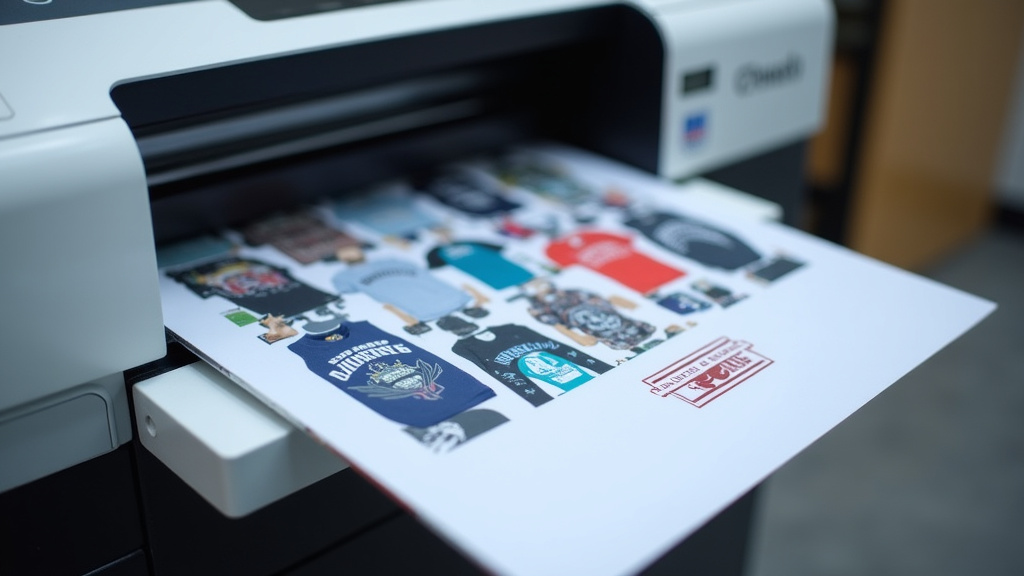
DTF vs. Sublimation: A Direct Comparison
Let’s put these two methods side-by-side so you can easily see the differences. Understanding these points can help you make the best decision for your specific needs.
| Feature | DTF Transfer | Sublimation |
|---|---|---|
| Best Fabric Types | Cotton, Polyester, Blends, Nylon, Leather, Denim | 100% Polyester, High Polyester Blends (65%+) |
| Color Limitations | Works on light and dark fabrics | Best on white or light-colored items |
| Print Feel | Slightly raised, can feel like a thin plastic layer | Completely smooth, infused into fabric, no feel |
| Durability | Good
ConclusionSo, when choosing between DTF and sublimation, think about your project’s needs. DTF offers fantastic versatility for printing on almost any fabric, including cotton and dark colors. It’s a great all-around option for custom apparel. Sublimation shines when you need exceptionally vibrant, permanent colors, but it’s best suited for 100% polyester or high-polyester content on white or light items. We found that understanding these key differences is the most important step. Now you can confidently select the method that will give you the best results for your custom designs. Consider your fabric choice and the look you’re after, and you’ll make the right decision. Frequently Asked QuestionsCan I use DTF transfers on polyester shirts?Yes, you absolutely can use DTF transfers on polyester shirts. In fact, DTF works on a wide variety of fabrics, including polyester, cotton, and blends. This makes it a very flexible choice for different apparel projects. Does sublimation feel rough on fabric?No, sublimation does not feel rough on fabric. Because the ink actually becomes part of the polyester fibers, there is no raised feel or texture. The print is smooth and breathable, feeling just like the fabric itself. Can DTF printing be used for small businesses?Yes, DTF printing can be a great option for small businesses. Its versatility in handling different fabrics and colors allows for a broad range of products. You can offer custom prints on various items without needing multiple specialized machines. What happens if I try to sublimate on a cotton shirt?If you try to sublimate on a cotton shirt, the colors will likely be very dull, faded, and may wash out quickly. Sublimation ink requires polyester fibers to bond with, so it doesn’t adhere well to natural fibers like cotton. Which method is better for a design with fine details on a dark t-shirt?For a design with fine details on a dark t-shirt, DTF transfer is the better choice. DTF uses an opaque white ink layer that allows designs to show up vibrantly on dark fabrics. Sublimation is not suitable for dark materials. Related guides |