Sublimation vs DTG Printing: A Closer Look
On this page (8 sections)
When choosing between sublimation and DTG printing for your custom apparel, the key difference lies in how the ink is applied. DTG printing is like a high-tech inkjet printer for fabric, applying ink directly onto the shirt, perfect for vibrant, detailed designs on cotton. Sublimation printing, on the other hand, uses heat to turn special ink into a gas that bonds with polyester fibers, resulting in a design that’s part of the fabric itself, often producing a softer feel and excellent durability for lighter-colored polyester garments.
Both methods offer fantastic ways to create custom t-shirts and other apparel. Understanding their strengths helps you pick the right one for your project. We found that DTG excels with detailed, multi-color designs on cotton and cotton blends. Sublimation shines when you need a design that feels like it’s one with the fabric, especially on 100% polyester items for vivid, all-over prints.
TL;DR:
- DTG is like an inkjet printer for shirts; ink goes directly on top.
- Sublimation turns ink into gas; it bonds with polyester fibers.
- DTG is great for detailed, multi-color designs on cotton.
- Sublimation works best on light-colored polyester for a soft feel.
- Both create awesome custom prints!
Let’s dive into the specifics of each printing method so you can make the best choice for your next custom apparel project.
Comparing Sublimation and Direct-to-Garment Printing for Your Designs
So, you’ve got a killer design idea and you’re ready to put it on a t-shirt or hoodie. Great! But which printing method is going to get you the best results? You’ve heard of sublimation and DTG, and maybe you’re wondering about the real differences. We’ve looked into both, and here’s the breakdown to help you choose.
What is Direct-to-Garment (DTG) Printing?
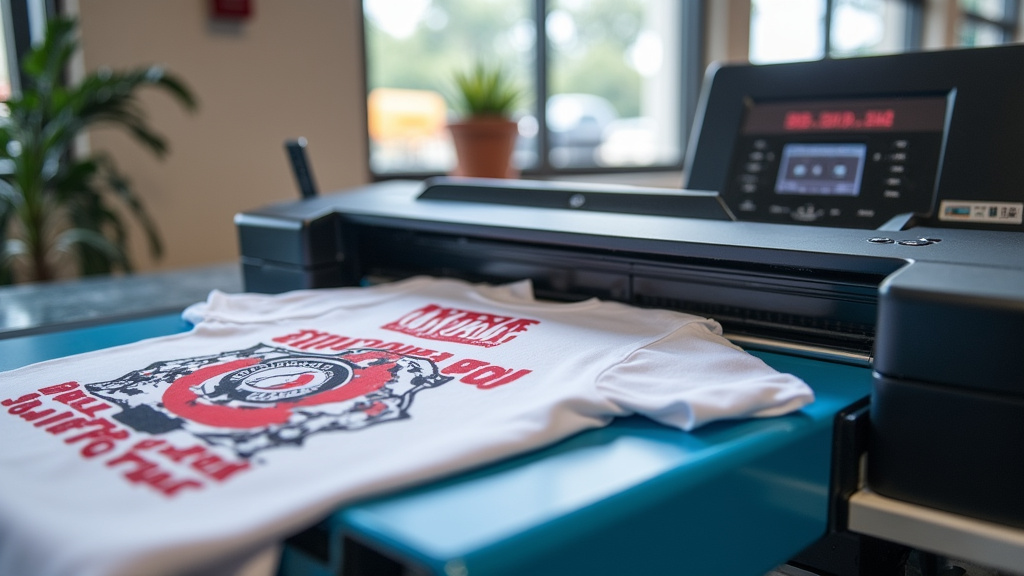
Think of DTG printing like a fancy inkjet printer for fabric. A specialized machine sprays ink directly onto the garment. This ink then cures into the fabric fibers. It’s a popular choice for custom apparel shops because it handles vibrant, full-color designs really well. We found that it works best on natural fibers, especially cotton. It’s a fantastic way to get detailed images and gradients onto your shirts.
How Does DTG Work?
The process is pretty straightforward. First, the garment is prepared. Sometimes a pre-treatment is applied. This helps the ink adhere better and appear brighter. Then, the shirt is loaded into the DTG printer. The printer applies the ink in layers, similar to how your home printer works. After printing, the ink is often heat-pressed to set it permanently. This ensures your design stays put.
The Pros of DTG Printing
One of the biggest wins for DTG is its ability to handle complex, multi-color designs. If your artwork has many different shades, gradients, or photographic detail, DTG can capture it beautifully. We found that it’s also great for small print runs. You don’t need a lot of setup for each design, making it cost-effective for just a few shirts. Plus, the print often feels very soft and breathable, especially on 100% cotton.
The Cons of DTG Printing
However, DTG printing has some limitations. It works best on light-colored garments. Dark fabrics require a white underbase layer of ink, which can add to the cost and sometimes affect the feel of the print. We also found that while it’s great for cotton, it doesn’t perform as well on synthetic materials like polyester. The ink sits on top of the fabric, so over time and with many washes, there’s a possibility of fading or cracking if not cared for properly.
What is Sublimation Printing?
Sublimation printing is quite different. Instead of spraying ink onto the fabric, special sublimation ink is printed onto a transfer paper. Then, heat and pressure are applied. This turns the ink into a gas. This ink-gas then bonds with the polyester fibers of the garment. It essentially becomes part of the fabric itself. This makes it incredibly durable and soft to the touch.
How Does Sublimation Work?
The process starts with printing your design onto sublimation paper using special ink. This paper is then placed onto the polyester garment. A heat press is used to apply intense heat (around 380-400°F or 193-204°C) and pressure for a specific amount of time. During this process, the ink transforms into a gas. This gas infuses directly into the polyester fibers. When it cools, the ink solidifies, permanently embedding the design into the fabric. This is why the feel is so soft – there’s no ink sitting on top. For examples of sublimation on hard goods, our guide to a sublimation mug explains the process.
The Pros of Sublimation Printing
Sublimation printing offers some excellent benefits. For starters, the print is incredibly durable. Since the ink becomes part of the fabric, it won’t crack, peel, or fade easily. Many experts say this makes it ideal for activewear or items that will see a lot of use and washing (NIH). The feel is also a big plus; it’s very soft and breathable because there’s no ink layer on top. Sublimation is also fantastic for all-over prints. You can cover the entire garment with a design, from seam to seam, creating a truly unique look. We found it produces incredibly vibrant colors, especially on white or very light-colored polyester.
The Cons of Sublimation Printing
Now, for the catches. Sublimation ink only bonds with polyester fibers. This means it works best, and often only works well, on 100% polyester garments. Cotton or cotton blends will result in a faded, muted look because the ink has nothing to bond with. We also found that sublimation typically works best on white or very light-colored materials. If you try to sublimate on a dark shirt, the color of the shirt will show through and muddy your design. It’s also not ideal for designs that require a specific white or opaque element on a colored shirt.
Key Differences at a Glance
To help you decide, let’s put the main differences side-by-side. This comparison might make it clearer which method is the right fit for your project.
| Feature | DTG Printing | Sublimation Printing |
|---|---|---|
| Ink Application | Sprayed directly onto fabric | Transferred via heat and gas onto fibers |
| Best Fabric Types | Cotton, cotton blends | 100% Polyester |
| Garment Colors | Works on light and dark (with underbase) | Best on white or very light colors |
| Design Complexity | Excellent for detailed, multi-color, gradients | Excellent for vibrant, all-over prints |
| Print Feel | Can feel slightly raised, breathable | Very soft, part of the fabric |
| Durability | Good, but can fade/crack over time | Excellent, virtually permanent |
| Setup Cost | Low for small runs | Low for small runs (no plates needed) |
Making Your Choice: What to Consider
So, how do you pick? It really comes down to your design and the type of apparel you want. Do you have a complex, full-color photo design that you want on a comfy cotton t-shirt? DTG is likely your best bet. Many sources suggest it’s the go-to for photographic prints on cotton (various print guides). Are you aiming for a vibrant, all-over design on a sports jersey or a performance t-shirt made of polyester? Sublimation will probably give you the best, most durable results. Remember, if your design is meant for darker garments and needs crisp white or bright colors that pop, DTG is usually the way to go. If you want a design that feels like it’s one with the fabric and will last through countless washes, especially on polyester, sublimation is a winner.
Quick Checklist for Your Project:
- Consider your design complexity: detailed photos vs. bold graphics.
- Think about the fabric type: cotton, polyester, or a blend?
- Note the garment color: light, dark, or something else?
- What kind of feel do you want: soft and integrated, or a slightly more pronounced print?
- How important is long-term durability and wash resistance?
- Are you looking for a small batch of custom shirts or a large order?
Conclusion
Choosing between sublimation and DTG printing comes down to your specific project needs. You’ve learned that DTG is your go-to for detailed, full-color designs on cotton, especially for smaller runs. Sublimation offers incredible durability and a soft feel on 100% polyester, perfect for vibrant all-over prints or activewear. We found that understanding the fabric type and garment color is key to achieving the best results with either method. Now that you know the differences, consider your design and apparel carefully to make the right choice for your custom creation.
Frequently Asked Questions
Can I use sublimation on a dark t-shirt?
Generally, sublimation does not work well on dark t-shirts. The sublimation ink is transparent and bonds with polyester fibers. On a dark shirt, the shirt’s color will show through and make your design appear muted or muddy. Sublimation is best suited for white or very light-colored polyester garments.
Will a DTG print feel rough on my shirt?
DTG prints can have a slightly raised feel, similar to screen printing, but it’s usually much softer. The ink is applied directly onto the fabric and cures into the fibers. For 100% cotton shirts, the feel is often very breathable. On darker shirts with a white underbase, there might be a more noticeable texture.
Which method is more durable for t-shirts?
Sublimation printing is generally more durable than DTG. Because the ink becomes part of the polyester fabric itself, it’s highly resistant to fading, cracking, and peeling, even after many washes. DTG prints, while good, sit on top of the fabric and can eventually show wear over time.
Can I sublimate a design with white ink?
No, sublimation printing cannot produce white ink. Sublimation inks are transparent. If you want a white element in your design on a colored garment, you would need to use a different printing method like DTG, which can print white ink. Sublimation works best when the garment itself is white or very light.
What if my design has both cotton and polyester in it?
If your apparel is a blend of cotton and polyester, the best choice often depends on the percentage of polyester. Sublimation requires a high polyester content (ideally 100%) to bond properly. For blends with a significant amount of cotton or if you want the most vibrant and durable print, DTG printing might be a more reliable option, especially if your design has many colors.