Sublimation vs UV Printing: A Starter Guide
On this page (3 sections)
When deciding between sublimation vs UV printing, remember that sublimation is best for fabrics and curved items, while UV printing works great on rigid surfaces and offers a textured feel. Sublimation uses heat to infuse ink into materials, creating vibrant, permanent designs. UV printing cures ink with UV light, allowing for bolder colors and raised effects on nearly anything.
Both methods create stunning custom prints, but they have different strengths. Understanding these differences will help you choose the right printing technique for your specific project. We’ve researched and found that factors like material type, desired finish, and durability are key to making the best choice for your custom items.
- Sublimation is ideal for polyester fabrics and items that need a seamless, edge-to-edge design.
- UV printing is perfect for hard surfaces like wood, metal, and plastic, and can create unique textures.
- Sublimation ink becomes part of the material, offering excellent washability.
- UV printing creates a layer on top of the material, which can be sensitive to scratching if not properly coated.
Let’s break down exactly what makes each printing method unique and how you can pick the perfect one for your needs.
Understanding Your Printing Options: Sublimation vs. UV
Choosing the right printing method for your custom items can feel a bit overwhelming. You want your designs to look amazing and last. We’ve researched the two most popular methods: sublimation and UV printing. Each has its own special way of putting ink onto materials. Let’s dive in to help you figure out which one is your perfect match.
What is Sublimation Printing?
Think of sublimation like a magic trick for fabrics. It uses special inks that turn into a gas when heated. This gas then soaks into the material itself. It’s not just sitting on top; it becomes part of the fabric. This makes the design super durable and resistant to fading or washing out. We found that this method is often preferred for items that get a lot of wear and tear.
How Does Sublimation Work?
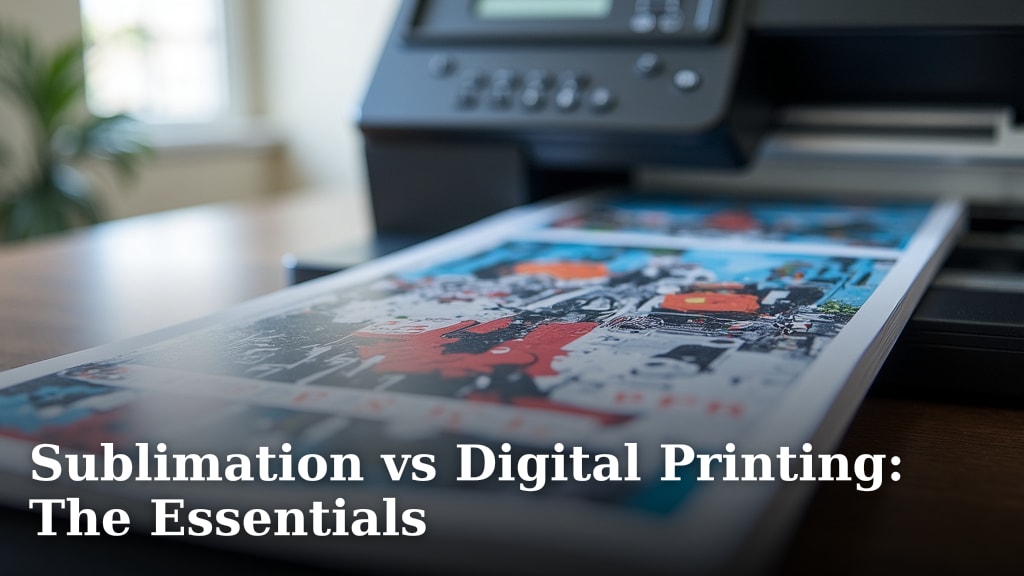
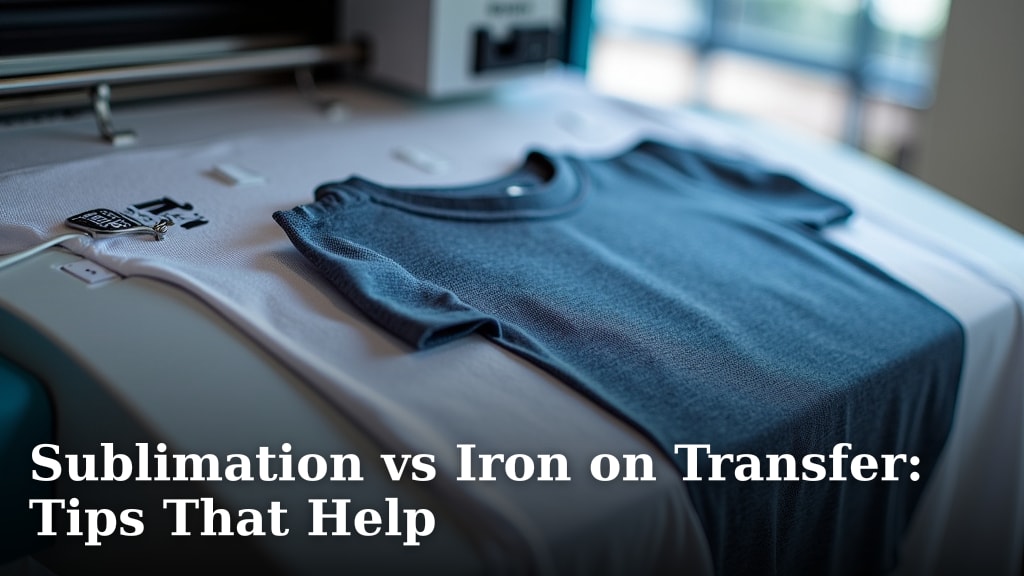
The process starts with a printer using sublimation inks to print your design onto a special transfer paper. Then, a heat press is used to apply pressure and heat. The heat turns the ink into a gas, and the pressure pushes it into the fibers of your item. The ink then cools and solidifies inside the material. Many experts say this is why sublimation offers such vibrant and long-lasting colors on the right surfaces.
What Materials Work Best for Sublimation?
Sublimation works best on materials that have a high polyester content. Think of polyester shirts, tote bags, or even certain types of mugs and phone cases that have a special coating. We found that the more polyester, the better the ink will bond. Natural fibers like cotton don’t hold the ink well, so designs can look dull or wash out quickly.
Advantages of Sublimation
One of the biggest perks of sublimation is its vibrancy. It can produce incredibly bright and detailed full-color images. Because the ink becomes part of the material, there’s no raised feel. This results in a smooth, comfortable print, especially on clothing. We also found that the designs are highly resistant to cracking and peeling.
Limitations of Sublimation
The main limitation is the material requirement. You really need polyester or items coated for sublimation. Also, if you’re printing on fabric, white or light-colored items are best. Dark colors can prevent the vibrant sublimation inks from showing up properly. We’ve seen that this can limit design possibilities on certain items.
What is UV Printing?
UV printing is quite different. Instead of heat, it uses ultraviolet (UV) light to cure, or dry, the ink. This means the ink sits on top of the surface, forming a physical layer. It’s a bit like applying a durable sticker, but it’s actually ink. We found that this method offers a lot of flexibility for different materials.
How Does UV Printing Work?
A specialized printer applies liquid ink directly onto your chosen item. Immediately after, UV lamps pass over the ink, instantly hardening it. This fast curing process creates a robust print. Many sources say this is what allows UV printing to work on such a wide variety of materials, even heat-sensitive ones.
What Materials Work Best for UV Printing?
This is where UV printing really shines. It works on almost anything rigid or semi-rigid. Think wood, metal, glass, plastic, acrylic, and even leather. We’ve seen great results on promotional items, signage, and phone cases made from these materials. The ink adheres well to surfaces that sublimation can’t handle.
Advantages of UV Printing
UV printing offers incredible versatility. It can print on flat, curved, or irregular surfaces. You can also achieve special effects, like a slightly raised texture or a matte finish. The colors are often very bold and opaque. We found that it’s excellent for creating unique tactile experiences with your designs.
Limitations of UV Printing
Because the ink sits on top of the surface, it can be more susceptible to scratching or chipping than sublimation, especially if not properly sealed. We also found that while durable, the cured ink layer might not feel as natural as a sublimation print on fabric. For very flexible items, it might crack over time.
Comparing Sublimation and UV Printing: Key Differences
Let’s break down the main ways these two printing methods stack up against each other. Understanding these points will help you make the best choice for your project.
Material Compatibility
Sublimation is king for polyester fabrics and specially coated items. If you’re decorating a t-shirt or a banner, sublimation is likely your go-to. UV printing, on the other hand, is perfect for rigid materials like wood, metal, plastic, and glass. If your item isn’t fabric, UV printing is probably your best bet.
Durability and Feel
Sublimation inks become one with the material, making them highly resistant to fading, washing, and scratching. The print has no feel at all – it’s completely smooth. UV prints create a layer on the surface. While durable, this layer can be susceptible to damage if not cared for. It can also have a slight texture.
Color Vibrancy and Effects
Both methods offer excellent color reproduction. Sublimation is known for its incredibly bright and photographic quality on light materials. UV printing can produce bold, opaque colors and even textured finishes. We found that for unique tactile effects, UV printing has an edge.
Application and Setup
Sublimation requires specific polyester or coated items and is best on light colors. UV printing can handle a wider range of colors and materials directly. The setup for both can involve specialized equipment, but UV printing offers more direct application possibilities.
| Feature | Sublimation Printing | UV Printing |
|---|---|---|
| Best For | Polyester fabrics, coated ceramics, aluminum | Wood, metal, glass, plastic, acrylic, leather |
| Ink Application | Infuses into material (gas transfer via heat) | Cures on surface (UV light) |
| Feel | Completely smooth, no texture | Can have slight texture, raised effect possible |
| Durability | Excellent, fade and scratch resistant | Good, but can be susceptible to scratches |
| Color Vibrancy | Very high on light backgrounds | Bold, opaque colors on various backgrounds |
| Limitations | Requires high polyester content, best on light colors | Can be sensitive to scratching, not ideal for very soft fabrics |
Which Printing Method Should You Choose?
So, how do you make the final call? It really comes down to what you’re printing on and what kind of result you want.
Your Project Checklist
To help you decide, ask yourself these questions:
- What material is my item made from?
- Does the material have a high polyester content?
- Am I printing on a hard surface like wood or metal?
- Do I want a print that feels completely smooth, or is a slight texture okay?
- What kind of durability do I need?
- Are the colors I want extremely vibrant and photographic, or bold and opaque?
If you’re working with performance athletic wear, custom flags, or personalized photo gifts that are polyester-based, sublimation is likely your winner. You’ll get that vibrant, embedded look that lasts. If you need to print on a wooden sign, a metal water bottle, or a plastic phone case, UV printing is your friend. It gives you the freedom to print on almost any surface with bold, durable results.
Conclusion
Choosing between sublimation and UV printing depends entirely on your project. Sublimation is your best bet for vibrant, fabric-based items like t-shirts and banners, offering a smooth, embedded finish. UV printing excels on rigid surfaces such as wood, metal, and plastic, allowing for bold colors and even textured effects. We’ve researched that understanding your material and desired look is key. Your next step is to identify your item and the feel you want for your custom design. Then, you can confidently select the printing method that best suits your needs.
Frequently Asked Questions
Can I sublimate on dark-colored fabrics?
Generally, sublimation works best on white or very light-colored polyester fabrics. The sublimation inks are translucent, meaning darker backgrounds can prevent the design’s colors from appearing vibrant and true. We found that special sublimation techniques or white garment inks are sometimes used for darks, but results can vary.
Is UV printing suitable for outdoor use?
Yes, UV printing can be quite durable for outdoor applications, especially when printed on weather-resistant materials and with protective coatings. The UV-cured ink layer is generally resistant to fading from sunlight and moisture. However, prolonged exposure can still cause wear over time, so placement and material choice are important.
Which method is better for personalized mugs?
For personalized mugs, sublimation is the most common and effective method. This requires the mug to have a special polyester coating designed for sublimation. The heat press process infuses the ink directly into this coating, creating a permanent, dishwasher-safe design that won’t peel or fade easily.
Can UV printing create a glossy finish?
Yes, UV printing can produce various finishes, including a glossy one. The UV ink itself can have a naturally glossy appearance once cured, or printers can apply a clear gloss varnish layer. This allows for a shiny and professional look on many different types of rigid products.
What happens if a UV-printed item gets scratched?
Since UV printing creates a layer of ink on the surface, a scratch can potentially damage this layer and the design. While the ink is durable, it’s not as embedded as sublimation. We’ve seen that for items prone to rough handling, extra protective coatings might be recommended to enhance scratch resistance.