Sublimation vs Heat Transfer Vinyl: Quick Fixes
On this page (6 sections)
When deciding between sublimation and heat transfer vinyl (HTV), the key difference lies in how the design is applied. Sublimation uses heat to turn ink into a gas, which then infuses into polyester fibers, creating a permanent, fade-resistant image. HTV, on the other hand, is a vinyl film that is cut and then heat-pressed onto the fabric, sitting on the surface.
Both methods are popular for personalizing apparel and other items. However, they each have their own best uses and limitations. Understanding these distinctions will help you pick the right method for your specific project and achieve the most professional-looking results.
- Sublimation inks become part of the fabric.
- HTV vinyl sits on top of the fabric surface.
- Sublimation works best on polyester or poly-coated items.
- HTV offers more color and finish options.
- Durability varies: sublimation is generally more permanent.
Let’s break down the core differences and help you decide which is the better fit for your next project.
Choosing the Right Customization Method: Sublimation vs. Vinyl Heat Transfer
When you want to put a custom design on a shirt, mug, or tote bag, two popular methods come to mind: sublimation and heat transfer vinyl (HTV). Both can give you great results, but they work differently. Think of it like painting a picture versus putting a sticker on a wall. Sublimation is like painting – the color becomes part of the surface. HTV is more like a sticker – it sits on top. Let’s look at how each works and when you should choose one over the other.
How Sublimation Works: Infusing Color into Fabric
Sublimation is a really neat process. It uses special inks that turn into a gas when heated. This gas then soaks into the fibers of the material. It’s like the color becomes a permanent part of the fabric itself. This method works best on items with a high polyester content, usually 65% or more. You’ll often see it used on sports jerseys, flags, and banners.
The Science Behind Sublimation
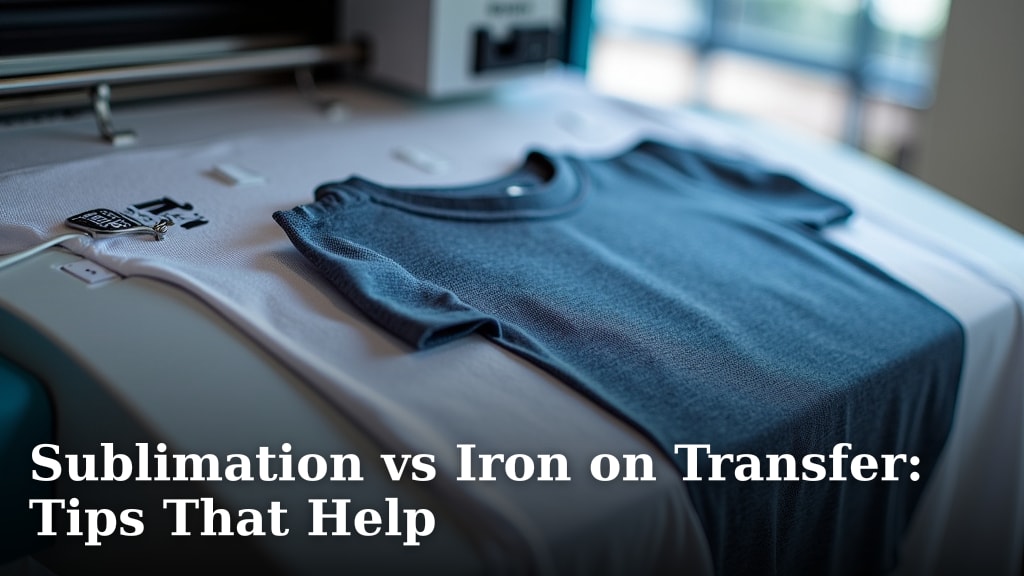
The magic happens under heat and pressure. Your design is printed on special transfer paper. When this paper meets the polyester fabric in a heat press, the ink turns into a gas. This gas then penetrates the polyester fibers. When it cools, it turns back into a solid, locked within the material. This means the design won’t crack, peel, or fade easily over time. Many experts say this makes sublimation designs very durable.
What You Need for Sublimation
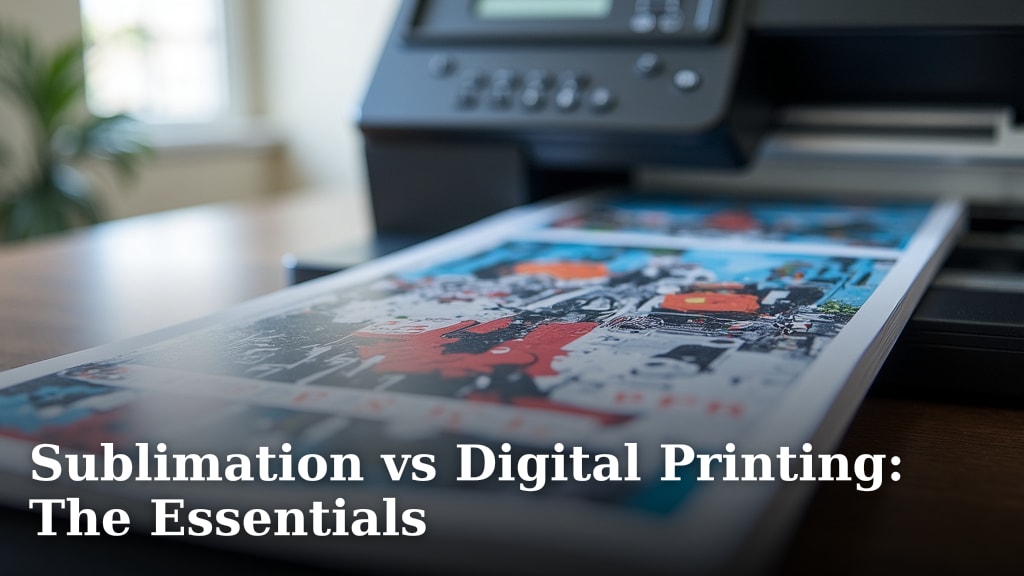
To get started with sublimation, you’ll need a few key things. You’ll need a sublimation printer with special sublimation inks. You also need sublimation paper. Of course, you’ll need your item to be decorated, but it must be made of polyester or have a special poly-coating. Finally, a heat press is essential to get the right temperature and pressure for the transfer. A regular iron usually won’t get hot enough or provide even pressure.
Pros and Cons of Sublimation
Sublimation has some great advantages. The designs are incredibly fade-resistant and vibrant. Because the ink is infused into the fabric, you don’t feel anything on the surface. It feels like part of the shirt. However, it’s not perfect for every project. You’re pretty much limited to polyester fabrics. If you want to sublimate on cotton, the design will be very dull and won’t last.
- Pros: Highly durable, won’t crack or peel, feels smooth on fabric, vibrant colors, fade-resistant.
- Cons: Requires polyester fabric, limited color vibrancy on dark materials, specialized equipment needed.
Understanding Heat Transfer Vinyl (HTV): A Layered Approach
Heat transfer vinyl, or HTV, is a different beast. It’s a type of vinyl material that comes in rolls or sheets. You cut your design out of this vinyl using a cutting machine. Then, you use a heat press to transfer it onto your fabric. The vinyl sits on the surface of the material, creating a layered effect.
How HTV Application Works
Think of HTV like a giant, colorful sticker for fabric. You load a sheet of HTV into a vinyl cutter. It cuts out your design, leaving the parts you don’t want behind. Then, you ‘weed’ out the excess vinyl. This leaves just your design on a clear carrier sheet. You place this on your garment and press it with heat. The heat activates a special adhesive on the back of the vinyl, bonding it to the fabric.
What You Need for HTV
For HTV projects, you’ll need a vinyl cutting machine. Popular brands include Cricut and Silhouette. You’ll also need various HTV rolls or sheets in the colors you want. Don’t forget a weeding tool to remove excess vinyl. And, like sublimation, a heat press is highly recommended for consistent results, though some people have success with a sturdy home iron.
The Variety of HTV Options
One of the biggest appeals of HTV is the sheer variety. You can get it in almost any color imaginable. There are also special finishes like glitter, metallic, glow-in-the-dark, flock (which has a velvety texture), and puff vinyl that stands out. This makes HTV super versatile for creating unique designs. You can also layer different colors of HTV to build up more complex graphics.
Pros and Cons of HTV
HTV is great because it works on a wide range of fabrics, including cotton, polyester, and blends. It’s also fantastic for creating bold, opaque designs, even on dark shirts. However, the design sits on top of the fabric. This means it can eventually crack, peel, or fade with washing and wear, especially if not applied correctly. Some people don’t like the feel of the vinyl on their skin.
- Pros: Works on many fabric types (cotton, blends), great for dark fabrics, wide range of colors and finishes, can layer designs.
- Cons: Can feel raised on the fabric, may crack or peel over time, weeding can be tedious, designs aren’t as breathable.
Making the Choice: Project Goals and Material Matters
So, how do you decide? It really depends on what you’re making and what look you want. Are you printing a full-color photo on a polyester shirt? Sublimation is likely your best bet. Do you want a glittery design on a cotton tote bag? HTV is the way to go.
Consider Your Material
This is often the biggest deciding factor.
- Polyester-rich fabrics (65%+): Sublimation excels here, offering permanent, vibrant results.
- Cotton and cotton blends: HTV is usually better, as sublimation won’t show up well.
- Dark fabrics: HTV typically provides better opacity and color vibrancy than sublimation.
- Specialty items: Many ceramic mugs, metal keychains, and phone cases have a special poly-coating perfect for sublimation. Learn more about creating a sublimation mug for a permanent, vibrant design.
Evaluate Your Design Needs
What kind of look are you going for?
- Full-color photos or complex gradients: Sublimation is superior for detailed, photographic images.
- Bold text, simple graphics, or special effects: HTV offers more options for textures, finishes, and bright, solid colors.
- Feel of the design: Sublimation feels like part of the fabric. HTV creates a noticeable layer.
Durability and Longevity Expectations
If you want a design that lasts practically forever without fading or cracking, sublimation is the winner. Research from fabric care organizations suggests that infused dyes are highly resistant to washing and UV exposure (Journal of Textile Science). HTV can last a long time too, but it requires more care. Proper washing (inside out, cold water, low heat dry) is key to extending the life of HTV designs. Some experts recommend hand washing for the longest-lasting results.
Budget and Equipment Investment
Starting out with either method involves an initial investment. A sublimation printer and inks can be more expensive upfront than a basic vinyl cutter. However, sublimation paper is generally cheaper than HTV rolls. The cost per project can vary. HTV allows for a lower entry cost if you already have a good iron and want to try a few small projects.
Here’s a quick checklist to help you decide:
- Are you using 100% polyester or high-polyester fabric? (Sublimation!)
- Do you need a design that feels like part of the fabric? (Sublimation!)
- Do you want a design with special finishes like glitter or metallic? (HTV!)
- Are you decorating a dark-colored 100% cotton shirt? (HTV!)
- Is vibrant, full-color photo printing your goal? (Sublimation!)
- Do you want the widest range of color and texture options? (HTV!)
Conclusion
Deciding between sublimation and heat transfer vinyl comes down to your specific project needs. Sublimation is your best bet for permanent, full-color designs that feel like part of the fabric, especially on polyester items. HTV offers more versatility with a wider range of fabric compatibility, vibrant solid colors, and unique finishes like glitter, though the design sits on top. Consider your material, desired look, and how long you expect the design to last. With this information, you’re ready to pick the right method and create something amazing!
Frequently Asked Questions
Can I sublimate on a dark t-shirt?
Sublimation works best on light-colored or white polyester fabrics. While some specialized sublimation inks and techniques exist for dark materials, they often don’t achieve the same vibrant, opaque results as HTV. For bold designs on dark shirts, HTV is usually the preferred choice.
How long do sublimation designs typically last?
Sublimation designs are known for their exceptional longevity. Because the ink infuses directly into the fabric fibers, they are highly resistant to fading, cracking, and peeling. With proper care, sublimation prints can last for the lifetime of the garment.
Does HTV feel heavy or stiff on clothing?
The feel of HTV can vary greatly depending on the type of vinyl used and the application. Some HTV, like standard vinyl, can create a noticeable layer on the fabric. Other types, like thin foil or stretch vinyl, can feel smoother and more flexible. Proper heat pressing also helps the vinyl conform better to the fabric.
Can I mix sublimation and HTV on the same project?
While it’s not common, you can sometimes combine sublimation and HTV on a single item. For example, you might sublimate a full-color image onto a polyester shirt and then add a small HTV accent, like a glitter name, on top. Ensure your heat press settings are compatible for both applications.
Which method is better for beginners?
For beginners, HTV might offer a slightly lower barrier to entry if you already have a cutting machine and a heat source like an iron or a more basic heat press. The process is more straightforward to understand initially. However, sublimation can be very rewarding for its permanent results, though it requires specific printers and inks.