Sublimation vs Direct to Film: A Quick Primer
On this page (3 sections)
Choosing between Sublimation vs Direct to Film (DTF) depends on your specific needs and the types of projects you’re tackling. Generally, sublimation is best for polyester fabrics and creates a vibrant, permanent print. DTF, on the other hand, offers more versatility across different fabric types and colors, making it a popular choice for custom apparel.
Both methods allow for detailed, full-color designs on garments. However, they differ in their application process and the final feel of the print. Understanding these differences will help you select the right printing technique for your business or hobby, ensuring you achieve the desired results and a great-looking final product.
- Sublimation works best on polyester.
- DTF prints on a wider variety of fabrics.
- Sublimation prints are permanent and breathable.
- DTF prints have a slightly thicker feel.
- DTF offers better color vibrancy on dark fabrics.
Let’s break down exactly how each of these popular printing methods works, so you can make the best choice for your projects.
Understanding Your Printing Options: Sublimation vs. DTF
So, you’re looking to print designs onto fabric, and you’ve heard about sublimation and Direct to Film (DTF). It’s a common question: which one is right for you? We’re here to help you figure that out without any confusing jargon.
Think of it like choosing the right tool for a job. You wouldn’t use a hammer to screw in a bolt, right? Similarly, sublimation and DTF are designed for different things. We’ve researched both methods to give you a clear picture.
How Sublimation Works: The Magic of Turning Solid to Gas
Sublimation is pretty neat. It involves using special inks that change directly from a solid to a gas when heated. This gas then seeps into the fibers of your material. We found that this process requires high heat and pressure. For example, a sublimation mug uses this process for vibrant, permanent designs.
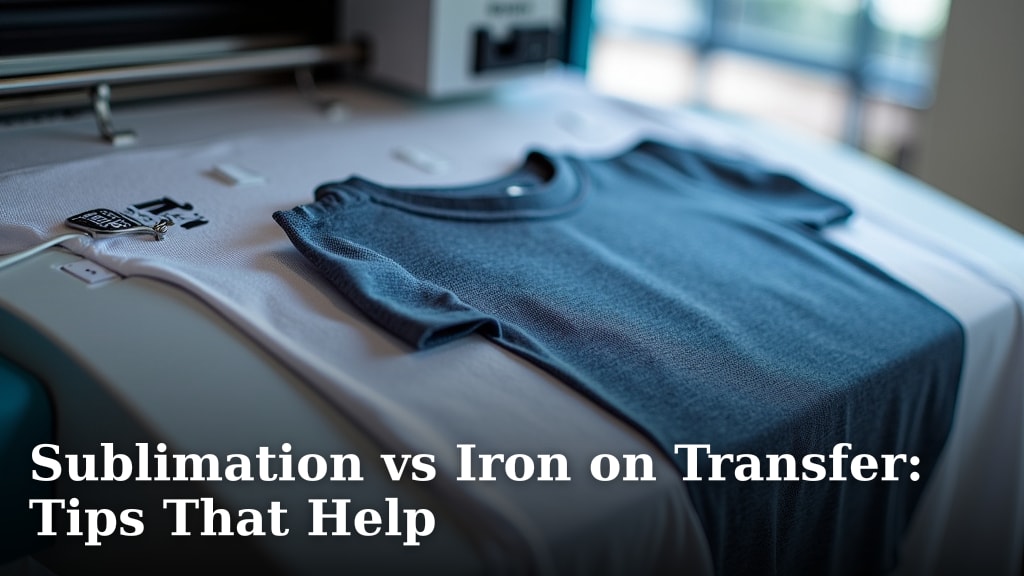
The design is first printed onto a special transfer paper. Then, this paper is placed onto your item. A heat press machine applies heat and pressure. This causes the ink to become a gas and bond with the material.
The Perfect Match: What Sublimation Loves
The biggest thing to know about sublimation is its love for polyester. We found that it works best on fabrics that are at least 65% polyester, but 100% polyester gives the most vibrant results. Why? Because the sublimation ink molecules actually bond with the polyester fibers.
This creates a print that’s part of the fabric itself, not just sitting on top. Many experts say this results in a very breathable and durable print that won’t crack or peel. Think of it like dyeing the fabric, rather than painting it.
What Sublimation Doesn’t Do So Well
Because the ink bonds with polyester fibers, sublimation doesn’t work well on natural fibers like cotton or blends with low polyester content. If you try it, you’ll likely end up with a faded, washed-out look. We’ve seen that it also struggles with dark colors.
Sublimation ink is transparent. So, if you print on a black shirt, the black will show through the design. This means sublimation is generally best suited for white or light-colored polyester fabrics. Many guides point to this limitation as a key factor in choosing the right method (Printing Industry News).
Direct to Film (DTF): Printing on Almost Anything
Direct to Film, or DTF, is a newer technology that has gained a lot of popularity. It’s known for its flexibility and ease of use. We found that it doesn’t require special fabrics.
DTF printing involves printing your design onto a special film using DTF ink. After printing, a layer of adhesive powder is applied to the film. This powder sticks to the ink. Then, the film is cured, ready to be transferred.
The DTF Transfer Process: Heat and Press
To apply your DTF design, you’ll place the film onto your garment. Then, you use a heat press to transfer the ink and adhesive onto the fabric. The heat melts the adhesive, which then bonds the ink to the material.
We found that this method creates a print that sits on the surface of the fabric. It’s often described as feeling a bit like a thin plastic layer. This is different from sublimation, where the ink becomes part of the fabric.
Where DTF Shines: Versatility is Key
One of the biggest advantages of DTF is its ability to print on a wide variety of fabrics. Cotton, polyester, blends, nylon, leather – DTF can handle them all. This is a huge benefit if you work with different types of materials. We’ve seen many small businesses thrive because of this flexibility.
DTF also excels on dark-colored garments. Because the ink is applied with an adhesive backing, it creates an opaque layer. This means your colors will pop on black, navy, or any other dark fabric. Many sources highlight this as a major advantage over sublimation (Textile Printing Today).
You can also achieve very fine details and vibrant colors with DTF. This makes it great for complex designs or logos. We found that it’s a reliable option for custom apparel, no matter the fabric type or color.
Comparing the Two: Key Differences at a Glance
Let’s lay out the main differences side-by-side. Understanding these will help you decide which is the better fit for your project. We’ve gathered the most important points for you.
| Feature | Sublimation | Direct to Film (DTF) |
|---|---|---|
| Best Fabric Type | 100% Polyester or high-polyester blends (light colors) | Cotton, Polyester, Blends, Nylon, Leather, and more (any color) |
| Print Feel | Softer, breathable, part of the fabric | Slightly thicker, sits on top of the fabric |
| Durability | Very durable, won’t crack or peel | Durable, but can potentially crack over many washes if not cared for |
| Color Vibrancy | Exceptional on light colors | Excellent on all colors, especially dark fabrics |
| Process Complexity | Requires specific materials and heat settings | More forgiving, but requires a heat press and curing |
| Design Limitations | Best for light backgrounds; cannot print white ink | Can print white ink; excellent for intricate designs |
Making Your Choice: What to Consider
Now that you know the basics, how do you choose? We suggest asking yourself a few questions about your project.
- What kind of fabric will you be printing on? If it’s 100% polyester and light-colored, sublimation is a strong contender. If you need to print on cotton, dark colors, or a mix of materials, DTF is likely your best bet.
- What is your budget and volume? Sublimation printers and inks can sometimes have a higher upfront cost, but the per-print cost can be lower for large runs on polyester. DTF offers lower entry costs for versatile printing.
- What kind of feel do you want for the print? For a super soft, breathable feel that’s integrated with the fabric, go for sublimation. If a slightly raised, vibrant print on any material is your goal, DTF is excellent.
- How important is printing on dark fabrics? If you need vibrant designs on black or colored shirts, DTF is the clear winner.
Your Project Checklist
To help you decide quickly, here’s a little checklist:
- Project Type: T-shirts, hoodies, tote bags, mugs?
- Fabric: 100% Polyester? Cotton blend? Dark colors?
- Desired Feel: Soft and breathable? Or a vibrant, slightly textured print?
- Color Palette: Mostly light colors, or do you need to print on black?
- Budget: What’s your starting investment?
By thinking through these points, you can steer yourself towards the printing method that will give you the best results for your specific needs. We found that understanding these core differences makes the decision much easier for most shoppers.
Conclusion
You’ve now seen how sublimation and Direct to Film (DTF) printing methods differ. Sublimation is your go-to for vibrant, breathable prints on light-colored polyester. It essentially dyes the fabric fibers. DTF offers fantastic versatility, working on virtually any fabric type and color, including darks. It creates a durable, opaque print that sits on the fabric’s surface.
Consider your project’s fabric, desired print feel, and color needs. These factors will guide you to the right choice. With this knowledge, you’re ready to select the printing technique that best fits your creative vision.
Frequently Asked Questions
Can I use sublimation on cotton shirts?
Generally, no. Sublimation inks bond best with polyester fibers. Using sublimation on cotton will result in a faded, washed-out design because the ink won’t properly embed into the natural fibers.
Does DTF printing feel heavy on clothes?
DTF prints do have a slightly thicker feel compared to sublimation. This is because the ink and adhesive create a layer on top of the fabric. However, for most garments, it’s a thin and flexible layer that most people find comfortable.
Which method is better for printing white ink?
Direct to Film (DTF) is better for printing white ink. Sublimation inks are transparent and cannot print white directly. DTF printing uses a white ink layer in its process, allowing you to create designs with white elements on any colored fabric.
Is sublimation more durable than DTF?
Sublimation prints are often considered more durable because the ink becomes part of the fabric itself, making it highly resistant to cracking or peeling. DTF prints are durable but can potentially show wear over many washes if not cared for properly.
Which printing method has a lower startup cost for small businesses?
DTF printing often has a lower startup cost for businesses needing to print on a variety of fabrics and colors. While sublimation equipment can be specialized for polyester, DTF offers more flexibility for a wider range of initial projects.