Why Is Sublimation Important? A Simple Explanation
Sublimation is important because it allows you to permanently transfer full-color images onto various materials like fabrics, ceramics, and metals. This process creates vibrant, long-lasting designs that won’t fade, peel, or crack over time. It’s a key method for creating personalized gifts and professional merchandise.
Many people wonder about sublimation when looking to make unique items. It’s a method that uses heat and pressure to turn solid ink into a gas. This gas then permeates the surface of your chosen item. We found that this makes the design part of the product itself, not just sitting on top. It’s a professional printing technique that’s surprisingly accessible for many projects.
- Sublimation transfers full-color images permanently.
- Designs become part of the material, resisting fading and cracking.
- It’s a popular method for custom gifts and merchandise.
- The process involves heat turning ink into gas to bond with surfaces.
Let’s break down why this printing method is so special and what makes it work. You’ll learn how to get great results for your own projects.
What Makes Sublimation Printing So Special?
So, you’ve heard about sublimation, and you’re wondering what all the fuss is about. It’s a printing method that sounds a bit like magic, but it’s actually really clever science. The core reason sublimation is important is its ability to create permanent, vibrant designs on a wide range of products. Unlike other printing methods, sublimation ink actually becomes part of the material it’s printed on. This means your designs won’t fade, peel, crack, or wash off.
Think about it: have you ever had a favorite mug where the design started to fade after a few washes? Or a t-shirt with a cool graphic that eventually cracked and looked worn out? Sublimation avoids all that.
The Science Behind the Magic: How Sublimation Works
At its heart, sublimation is all about a physical change. The ink used in sublimation printing isn’t like regular ink. It’s a special dye that has a unique property: it can turn directly from a solid into a gas without ever becoming a liquid.
The Sublimation Process Explained Simply
Let’s break down how this happens. You start with a digital image printed onto special sublimation paper using sublimation inks. This paper holds the ink in a solid form.
Heat and Pressure: The Key Ingredients
Next, this printed paper is placed face-down onto the material you want to decorate – perhaps a polyester t-shirt, a ceramic coaster, or a metal plaque. Then, a heat press machine comes into play. This machine applies both intense heat (typically between 350-450°F or 175-230°C) and significant pressure.
Under this heat and pressure, something amazing occurs. The solid sublimation ink on the paper turns into a gas. This dye gas then permeates the tiny spaces within the fibers of the fabric or the coating of the ceramic or metal. It’s like the ink is being absorbed right into the material itself.
Cooling Down and Bonding
Once the heat press cycle is complete, the material is allowed to cool. As it cools, the dye gas turns back into a solid. This solid ink is now permanently locked into the material. It’s no longer sitting on the surface, waiting to scratch or fade away. The design is now a part of the product itself.
This process is why sublimation is known for its durability and vibrant colors. The ink is infused deep within the material’s structure, creating a bond that lasts.
Why Choose Sublimation? The Big Advantages
Now that you know how it works, let’s dive into why this method is so sought after for various projects.
Unmatched Image Quality and Color Vibrancy
One of the most significant benefits of sublimation is the stunning visual quality it produces. Because the dye gas is absorbed into the material, it allows for incredibly detailed and vibrant images. You can print full-color photographs with smooth gradients and crisp lines. There are no dot patterns visible, which you sometimes see with other printing methods like screen printing.
Many experts agree that sublimation printing offers one of the widest color gamuts available. This means you can reproduce a vast range of colors accurately, making your designs pop. For anyone looking for professional-looking results, this is a huge plus.
Exceptional Durability and Longevity
We’ve touched on this, but it’s worth repeating: durability is a major selling point. The designs created through sublimation are resistant to fading, scratching, and peeling. Think of it like dyeing fabric; the color becomes part of the thread. Similarly, sublimation ink becomes part of the product.
When you wash a sublimated t-shirt, the design doesn’t degrade. When you place a sublimated mug in the dishwasher (if it’s dishwasher-safe, of course!), the image remains intact. This longevity means your products will look great for a very long time, which is essential for both personal keepsakes and commercial merchandise.
Versatility Across Different Materials
Sublimation isn’t limited to just one type of product. While it’s most commonly associated with textiles, it works on a surprising variety of surfaces, provided they have a special polymer coating.
- Polyester Fabrics: This is where sublimation truly shines. T-shirts, athletic wear, banners, flags, and more.
- Ceramics: Mugs, tiles, coasters, and plates can all be beautifully decorated.
- Metals: Aluminum, stainless steel, and other metals can be coated and sublimated for signs, photo panels, and more.
- Plastics: Certain types of plastics, like those used in phone cases or keychains, can also be sublimated.
- Wood: Specially coated wood products can accept sublimation prints.
This versatility makes it a fantastic choice for a wide range of custom projects. You’re not limited to just apparel.
Ideal for Customization and Small Batches
Because sublimation printing starts with a digital file and uses individual transfers, it’s perfect for one-off designs or small production runs. You don’t need to create screens or set up complex machinery for each new design, as you would with methods like screen printing.
This makes it incredibly cost-effective for personalized gifts, team uniforms, or promotional items where you might only need a few pieces of each design. You can easily create a custom t-shirt for a friend or a set of unique coasters for your home without a huge initial investment.
Eco-Friendly Aspects to Consider
While no manufacturing process is entirely without environmental impact, sublimation printing does have some advantages. The inks are water-based, and the process generally produces less waste compared to other printing methods. There are no harsh chemicals or solvents involved in the ink itself.
Furthermore, because the designs are so durable, sublimated items tend to have a longer lifespan. This means fewer items might end up in landfills over time. Many sources indicate that the dye sublimation process is considered a greener option within the printing industry (Environmental Protection Agency).
What You Need for Sublimation Printing
Getting started with sublimation might seem daunting, but the core components are quite straightforward. You’ll need a few key pieces of equipment and supplies.
Essential Equipment Checklist
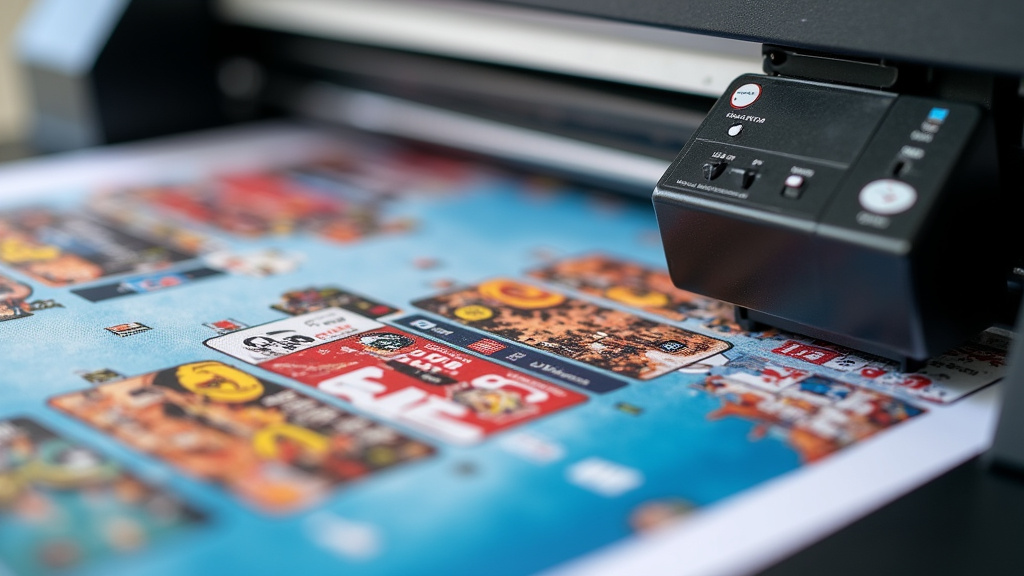
- Sublimation Printer: This is a printer specifically designed to use sublimation inks. You can’t use a regular inkjet or laser printer.
- Sublimation Ink: Special inks that undergo the solid-to-gas transition.
- Sublimation Paper: A unique paper that holds the ink and releases it as a gas under heat.
- Heat Press Machine: This is crucial for applying the right amount of heat and pressure needed to transfer the ink.
- Blank Products: Items that are made of polyester or have a special polymer coating designed to accept sublimation ink.
- Heat Resistant Tape: To secure your paper to the blank item before pressing.
Choosing the Right Blank Products
This is where many beginners get confused. Not every item can be sublimated. The material needs to be able to absorb the sublimation dye gas. For polyester fabrics, the higher the polyester count, the more vibrant and durable the transfer will be. Many experts recommend using items with at least 65% polyester content for good results (Fabric Dyeing Guide).
For hard goods like mugs or tiles, they must have a special polymer coating. This coating is what allows the ink to adhere and become permanent. Always check the product description to ensure it’s “sublimation-ready” or “polymer-coated.”
When Is Sublimation the Best Choice?
Considering all these points, when should you reach for sublimation? It’s an excellent option when you need:
- Full-color images with photographic quality.
- Designs that are incredibly durable and long-lasting.
- Personalized items with unique graphics or photos.
- Custom apparel, especially athletic wear or vibrant designs.
- Small batches of custom merchandise without high setup costs.
- Products that need to withstand frequent washing or heavy use.
If your project involves any of these needs, sublimation is very likely the best printing method for you. It offers a combination of quality, durability, and versatility that’s hard to beat.
Conclusion
You’ve learned that sublimation printing is important because it creates permanent, full-color designs that become part of your product. This method uses heat and pressure to infuse special inks into materials like polyester fabrics, ceramics, and coated metals. It offers unmatched image quality and durability, making it perfect for custom gifts, professional merchandise, and personal projects. If you’re looking for vibrant, long-lasting prints that won’t fade or peel, sublimation is a fantastic choice.
Now that you understand why sublimation is so special, why not consider your next custom project? Think about the personalized gifts or unique apparel you could create.
Frequently Asked Questions
Can I sublimate on any material?
No, you can’t sublimate on just any material. Sublimation works best on items made with a high percentage of polyester or those with a special polymer coating. This coating allows the sublimation ink to bond properly. Always check if a blank product is specifically listed as “sublimation-ready.”
Is sublimation printing expensive to get started with?
Getting started can have an initial investment in equipment like a sublimation printer and a heat press. However, for small batches or one-off custom items, it can be more cost-effective than other methods that require expensive screen setup. The cost per item can be quite low once you have the equipment.
Will my sublimation designs fade over time?
Sublimation designs are known for their exceptional durability. Because the ink is infused into the material, it’s highly resistant to fading, scratching, and peeling. This means your designs will look vibrant for a long time, even with regular use and washing.
What’s the difference between sublimation and regular inkjet printing?
Regular inkjet printers use liquid ink that sits on top of the paper or material. Sublimation printers use special inks that turn into a gas under heat and pressure, allowing them to penetrate the material. This is why sublimation designs are permanent and don’t crack or peel like some inkjet prints can.
How do I ensure my colors look vibrant with sublimation?
To achieve vibrant colors, use a high-quality sublimation printer and inks, and print on 100% polyester fabric or sublimation-ready blanks with a good polymer coating. Also, ensure your heat press is set to the correct temperature and pressure for the recommended time. Correct color profiles in your design software also play a role.