Transfer Paper vs Sublimation Paper: A Clear Overview
On this page (5 sections)
When choosing paper for custom designs, understanding the difference between transfer paper and sublimation paper is key. Transfer paper works by printing an image onto a special paper, then using heat to transfer that image onto fabric. Sublimation paper, on the other hand, is designed for sublimation printing, where ink turns into a gas and bonds with polyester fibers for a permanent, vibrant print.
Both methods allow you to create custom apparel and gifts. But your project’s material and desired outcome will guide which paper is the best choice. We’ve researched what makes each type unique so you can make an informed decision for your next creative endeavor.
- Transfer paper prints onto special paper, then heat transfers the image.
- Sublimation paper uses ink that turns to gas and bonds with polyester.
- Transfer paper works on most fabrics, including cotton blends.
- Sublimation works best on 100% polyester fabrics for vibrant, lasting results.
- Consider your fabric type and desired durability when choosing.
Let’s break down exactly what each type of paper is best for and how they differ, so you can pick the perfect one for your project.
Understanding Your Custom Printing Paper Options
You’re ready to bring your unique designs to life on shirts, mugs, or other items. That’s exciting! But choosing the right paper can feel a bit confusing. You’ve probably seen terms like “transfer paper” and “sublimation paper” and wondered if they’re the same. We’re here to clear that up. We’ve looked into what makes each type special so you can pick the perfect fit for your project.
What is Transfer Paper?
Transfer paper is like a temporary tattoo for fabric. You print your design onto this special paper. Then, you use a heat source, like an iron or a heat press, to move the ink from the paper onto your item. Think of it as an intermediary. The paper doesn’t become part of the final design; it just carries the ink over.
How Does Transfer Paper Work?
The process is pretty straightforward. You’ll need a regular inkjet printer and ink. You print your image onto the transfer paper, making sure to print it in reverse (mirror image) if your design has text or specific directions. Then, you carefully place the printed paper onto your item, design-side down. Applying heat and pressure for a set amount of time transfers the ink. After cooling, you peel off the paper backing, leaving your design on the fabric.
Types of Transfer Paper
There are two main types of transfer paper you’ll encounter. The first is for light-colored fabrics. This type usually has a clear or transparent film that the ink sits on. It’s great for detailed, colorful images. The second is for dark-colored fabrics. This paper has a white or opaque background. It’s designed to cover the dark fabric color so your design shows up vibrantly. We found that choosing the right type for your fabric color is key to a professional look.
What Fabrics Can You Use with Transfer Paper?
One of the big advantages of transfer paper is its versatility. It works well on a wide range of fabrics, especially those with cotton content. You can use it on t-shirts, tote bags, pillowcases, and even some canvas items. Many sources suggest it’s a good go-to for projects involving cotton or cotton-polyester blends. If you have a fabric that’s mostly cotton, transfer paper is likely your best bet.
Pros and Cons of Transfer Paper
Pros: You can use standard inkjet printers and inks. It’s often more affordable to get started. It works on many different fabric types, including cotton. The variety for light and dark fabrics means you have options for most projects.
Cons: The transfer can sometimes feel a bit stiff or plasticky on the fabric. Over time, especially after many washes, the design might crack or fade. It’s not usually as breathable as other methods. We found that the longevity depends heavily on the quality of the paper and how well it’s applied.
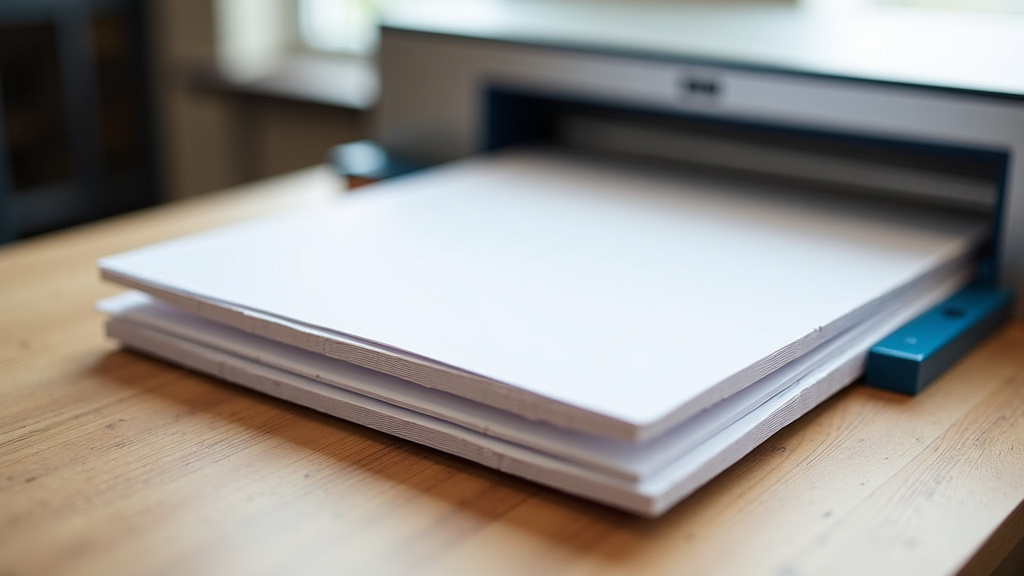
What is Sublimation Paper?
Sublimation paper is a bit different. It’s designed for a specific type of printing called sublimation printing. Unlike transfer paper, the ink from sublimation paper doesn’t just sit on top of the fabric. Instead, under heat and pressure, the ink turns into a gas and actually bonds with the polyester fibers of the material. This creates a permanent, almost part-of-the-fabric image.
How Does Sublimation Printing Work?
Sublimation requires a special printer and sublimation inks. These inks are formulated to undergo a chemical change when heated. You print your design onto the sublimation paper, again, usually in mirror image. Then, the sublimation paper is placed onto a polyester-rich item, and a heat press is used. The heat turns the ink into a
Conclusion
You’ve now seen how transfer paper and sublimation paper serve different creative purposes. Transfer paper is your go-to for projects on cotton and cotton blends, offering versatility for both light and dark fabrics. Just remember, the design sits on top and may feel different over time. Sublimation paper, with its specialized inks and printers, creates permanent, vibrant prints by bonding directly with polyester fibers. This makes it ideal for items that will be washed often and require the most durability.
Think about your material and how long you want your design to last. Then, choose the paper that fits your project best. Happy creating!
Frequently Asked Questions
Can I use sublimation paper with a regular printer?
No, you cannot use sublimation paper with a regular printer. Sublimation printing requires a printer specifically designed to use sublimation inks. Regular inkjet inks won’t turn into gas and bond with the fabric fibers properly.
Will transfer paper crack or peel off after a few washes?
Transfer paper designs can sometimes crack or peel over time, especially with frequent washing. The longevity depends on the quality of the transfer paper used, the fabric type, and how well the transfer was applied. Proper care, like washing inside out in cold water, can help extend the life of your design.
Is sublimation permanent on fabric?
Yes, sublimation creates a permanent bond with polyester fibers. Because the ink turns into a gas and fuses with the fabric, it becomes part of the material itself. This means it won’t crack, peel, or fade like traditional transfers.
Can I use transfer paper on dark-colored shirts?
Yes, you can use transfer paper on dark-colored shirts, but you need to use the correct type. There’s a specific transfer paper designed for dark fabrics that has an opaque white background. This ensures your design shows up brightly and isn’t affected by the dark color of the shirt.
What is the best fabric for sublimation printing?
The best fabric for sublimation printing is 100% polyester. The sublimation ink needs polyester fibers to bond with. While some blends can work, the results will be less vibrant and may appear faded or vintage-looking as the ink only adheres to the polyester content.