Sublimation vs Inkjet Printing: A Practical Guide
On this page (7 sections)
- Comparing Sublimation and Inkjet: Which Printing Method is Right for You?
- Understanding Sublimation Printing: The Magic of Heat and Vapor
- Exploring Inkjet Printing: The Everyday Workhorse
- Key Differences: Sublimation vs. Inkjet at a Glance
- Making Your Choice: A Simple Checklist
- Conclusion
- Frequently Asked Questions
When choosing between sublimation and inkjet printing for your projects, understand that sublimation is best for permanently bonding ink onto special polyester fabrics and coated items, while inkjet printing is more versatile for everyday paper documents and standard fabrics. Sublimation offers vibrant, edge-to-edge designs that won’t fade or peel, but it requires specific materials and a heat press. Inkjet is simpler to use with common printers and paper.
Many people wonder which printing method is right for their needs. If you’re aiming for durable, full-color graphics on mugs, t-shirts, or custom textiles, sublimation often wins. For printing photos, reports, or general crafts on regular surfaces, a standard For durable, full-color graphics on items like mugs, understanding sublimation is key.inkjet printer is usually the go-to. We’ve researched both methods to help you make the best choice for your next creative endeavor.
TL;DR:
- Sublimation is for permanent designs on polyester and coated items.
- Inkjet printing is a versatile choice for paper and some fabrics.
- Sublimation requires special inks, paper, and a heat press.
- Inkjet printers are common and use standard paper and ink.
- Choose based on your project material and desired durability.
Let’s break down the differences between sublimation and inkjet printing so you can decide which fits your projects perfectly.
Comparing Sublimation and Inkjet: Which Printing Method is Right for You?
Choosing between sublimation and inkjet printing can feel a bit like picking between two different tools for your creative projects. Both can produce great results, but they do so in very different ways. We’ve looked into what makes each one tick, so you can get a clear picture. Sublimation is a wizard for permanent, vibrant designs on specific materials, while inkjet is your trusty all-rounder for everyday printing needs.
Understanding Sublimation Printing: The Magic of Heat and Vapor
Sublimation printing is a process where special dye-based inks are heated and turned into a gas. This gas then bonds with polyester fibers or special coatings on items. Think of it like the ink becoming part of the material itself, rather than sitting on top. This is what gives sublimation its famous durability.
How Sublimation Works: A Step-by-Step Look
First, you need a printer with special sublimation inks. These inks are designed to vaporize under heat. You then print your design onto a particular type of transfer paper. This paper is coated to hold the ink until it’s ready to transfer. The printed paper is then placed onto your item, like a t-shirt or mug.
Next comes the heat press. This machine applies both high heat and pressure. The heat causes the sublimation ink on the paper to turn into a gas. This ink vapor then permeates the pores of the polyester material or coating. When it cools, the ink solidifies within the material, creating a permanent bond. This means the design won’t crack, peel, or fade easily.
What You Need for Sublimation
Sublimation isn’t something you can do with just any printer. You’ll need specific equipment:
- Sublimation Printer: A printer that uses sublimation inks. Many people convert standard inkjet printers for this purpose.
- Sublimation Ink: These are specially formulated inks that turn to gas when heated.
- Sublimation Paper: This paper is designed to hold the sublimation ink and release it as a gas during heat pressing.
- Heat Press: A specialized press that provides consistent high heat and pressure. Standard irons usually won’t get hot enough or provide enough pressure.
- Sublimation-Ready Blanks: These are items specifically made to accept sublimation ink. They must have a high polyester content (often 65% or more) for fabrics, or a special polymer coating for hard items like mugs, coasters, and phone cases.
We found that without these specific items, the sublimation process simply won’t work. The materials are key to getting that vibrant, permanent transfer.
Where Sublimation Shines: Its Best Use Cases
Sublimation is fantastic for applications where long-lasting, vibrant graphics are essential. It’s the go-to for custom apparel, especially athletic wear or fashion items where designs need to withstand washing and wear. Think about sports jerseys, activewear, and even custom curtains or upholstery where patterns are printed edge-to-edge.
Beyond fabric, sublimation is incredibly popular for personalized gifts and promotional items. Mugs, keychains, mousepads, metal prints, and phone cases can all be adorned with full-color, durable designs. The result is a professional, seamless finish that looks like the design was part of the product from the start. Sublimation is incredibly popular for personalized gifts and promotional items like tumblers.
Exploring Inkjet Printing: The Everyday Workhorse
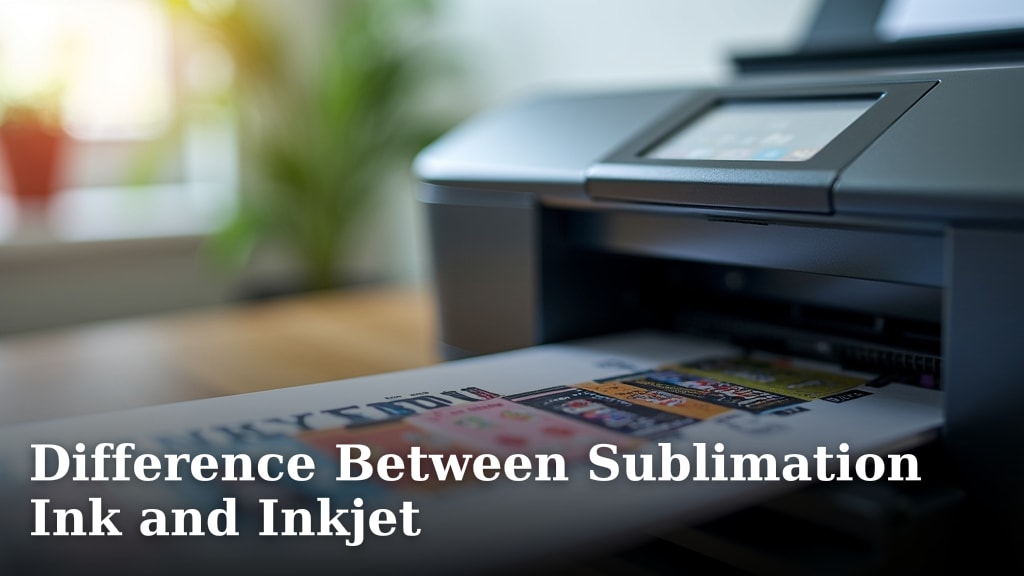
Inkjet printing is what most people have at home or in small offices. It works by spraying tiny droplets of liquid ink onto paper to create images and text. It’s a very versatile technology that can handle a wide range of printing tasks, from documents to photographs.
How Inkjet Printing Works: Spraying Ink with Precision
An inkjet printer has a print head with many tiny nozzles. These nozzles are controlled electronically to spray precise amounts of ink onto the paper. There are two main types of inkjet technology: thermal inkjet and piezoelectric inkjet.
Thermal inkjet printers heat the ink in small chambers. This creates a bubble that forces a droplet of ink out of the nozzle. Piezoelectric printers use tiny crystals that change shape when an electric current is applied. This change in shape pushes ink droplets out. Both methods aim to put ink exactly where it needs to be on the page. We found that this precision allows for smooth color gradients and detailed images, especially on photographic paper.
What You Need for Inkjet Printing
The beauty of inkjet printing is its accessibility. You likely already have most of what you need:
- Inkjet Printer: Most standard home and office printers are inkjet.
- Ink Cartridges: These contain liquid inks, typically dye-based or pigment-based.
- Paper: You can use almost any kind of paper, from plain copier paper to specialized photo paper.
- Blank Items (for certain applications): For things like printable vinyl or iron-on transfers, you’ll use specific transfer materials that can be applied with a heat source.
It’s a much simpler setup compared to sublimation. You can start printing right out of the box with standard materials.
The Versatility of Inkjet: When to Choose Inkjet
Inkjet printing is your go-to for a multitude of tasks. If you need to print documents, reports, letters, or school assignments, an inkjet printer is perfect. It handles standard paper sizes with ease and produces clear, readable text.
For photos, inkjet printers can produce stunning results, especially when paired with high-quality photo paper. Many home users find them sufficient for creating photo albums or printing family pictures. Inkjet is also useful for crafts, allowing you to print designs onto transfer paper for t-shirts, mugs (using special coatings), or stickers.
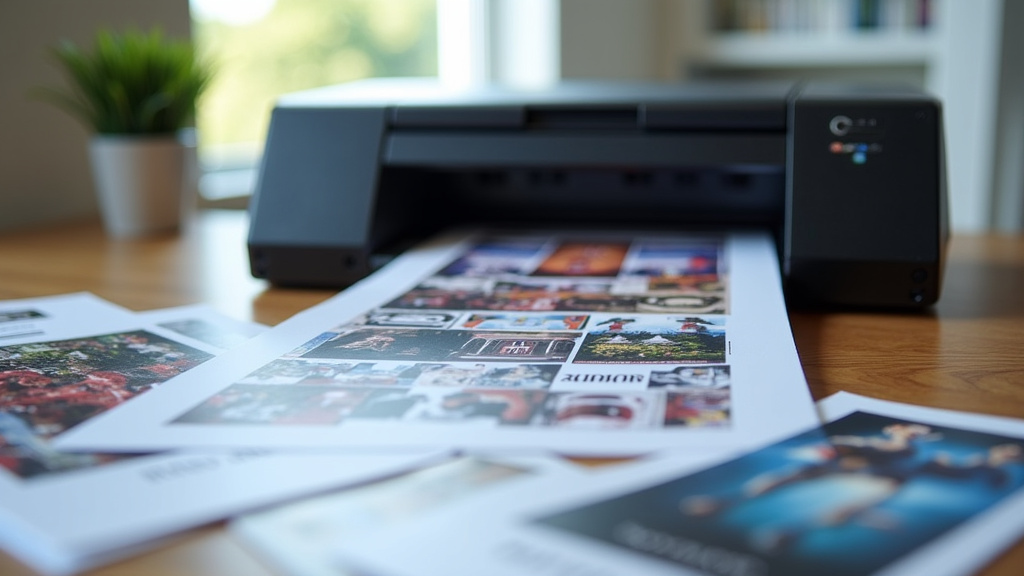
Key Differences: Sublimation vs. Inkjet at a Glance
When you put them side-by-side, the differences become quite clear. It’s not about which one is “better” overall, but which one is better for your specific project.
Durability and Longevity
Sublimation excels in durability. Because the ink is infused into the material, designs are highly resistant to fading, scratching, and washing. Many experts say this makes it ideal for items that will see heavy use or frequent washing (CDC guidelines for durable graphics suggest this). Inkjet prints on regular paper can fade over time, especially when exposed to light or moisture.
Material Requirements
This is a major differentiator. Sublimation requires polyester fabric or specially coated items. If you try to sublimate on cotton, for example, the design will be very dull and wash out. Inkjet is far more forgiving. It prints on virtually any paper and can be used with various transfer materials for different surfaces.
Vibrancy and Color Quality
Both can produce vibrant colors, but in different ways. Sublimation inks are known for their brightness and ability to create edge-to-edge, seamless designs. The colors often appear exceptionally vivid because they are part of the material itself. Inkjet prints can also be very vibrant, especially with photo-quality paper and inks, but the ink sits on the surface, which can sometimes affect the final sheen or texture.
Cost and Complexity
For initial setup, sublimation has a higher barrier to entry due to the specialized equipment needed (printer, inks, heat press). Inkjet printers are widely available and generally less expensive to purchase. However, over time, the cost of sublimation ink and paper might be lower per print for large runs, and the durability can save money by reducing the need for reprints.
Ease of Use
Inkjet printers are generally simpler to operate for everyday tasks. You load paper, select print, and go. Sublimation involves a more complex workflow: designing, printing on special paper, and then using a heat press. This extra step requires more attention to detail and temperature/pressure settings.
We found that the learning curve for sublimation is steeper, especially mastering the heat press settings for different items. Inkjet is much more beginner-friendly for basic printing.
Comparing Key Features in a Table
To help you see the differences clearly, here’s a quick comparison:
| Feature | Sublimation Printing | Inkjet Printing |
|---|---|---|
| Best For | Permanent, vibrant designs on polyester and coated items. | Everyday documents, photos, general crafts, and printing on various papers. |
| Durability | Excellent; won’t fade, crack, or peel. | Good for documents, but can fade; transfers may crack or peel over time. |
| Materials Needed | Special sublimation inks, paper, polyester/coated blanks, heat press. | Standard printer, ink cartridges, various types of paper/transfer media. |
| Color Vibrancy | Very high, integrated into the material. | High, especially with photo paper; ink sits on the surface. |
| Setup Complexity | Higher; requires specialized equipment and precise settings. | Lower; easy to use for basic printing. |
| Versatility | Limited to specific materials. | Wide range of papers and some transfer applications. |
Making Your Choice: A Simple Checklist
Still on the fence? Ask yourself these questions to guide your decision. You want to make sure you pick the right tool for your specific job.
- Do you need designs that will last for years and survive many washes?
- Are you printing on items that are mostly polyester or have a special coating?
- Is vibrant, edge-to-edge color on items like mugs or t-shirts your main goal?
- Do you already have a heat press, or are you willing to invest in one?
- Is your project focused on creating durable, custom merchandise or gifts?
If you answered “yes” to most of these, sublimation might be your perfect match. If your needs are more varied and include everyday printing on standard materials, inkjet is likely the way to go.
Conclusion
You’ve learned that sublimation printing offers incredible durability and vibrant, embedded colors, perfect for polyester fabrics and coated items. Inkjet printing, on the other hand, is your versatile choice for everyday tasks, handling a wide array of papers and offering simpler operation. Your decision hinges on your project’s material and how long you need the design to last. Consider your materials first, and then choose the printing method that best fits your creative vision and durability needs.
Frequently Asked Questions
Can I sublimate on cotton t-shirts?
No, sublimation ink bonds best with polyester fibers. While you can sublimate on cotton blends, the design will be less vibrant and may wash out over time. For 100% cotton, inkjet with special transfer paper is a better option.
Is sublimation ink permanent?
Yes, sublimation ink becomes part of the material it’s printed on, making it highly permanent. It’s resistant to fading, scratching, and washing. We found this is its biggest advantage for long-lasting products.
Can I use regular inkjet ink for sublimation?
No, you cannot use standard inkjet ink for sublimation. Sublimation requires special dye-based inks that turn into a gas under heat. Regular inkjet inks will not vaporize and transfer correctly.
What happens if I use the wrong paper for sublimation?
Using regular paper for sublimation can result in poor ink transfer and dull colors. Sublimation paper is designed to hold the ink until heat is applied, then release it as a gas for proper bonding.
Which printing method is cheaper for home use?
For occasional printing or general documents, an inkjet printer is generally cheaper to set up. However, for creating durable custom merchandise regularly, sublimation can be more cost-effective per item in the long run due to its specialized nature and material requirements.