Sublimation Blanks: The Complete Buying Guide
Choose sublimation blanks by matching the coating, substrate and shape to your project. Check that the surface is made for sublimation, then confirm its size, press method and blank count before buying.
On this page (12 sections)
- What should you check before buying sublimation blanks?
- Which sublimation blank categories suit common projects?
- How do coatings and substrates affect your choice?
- Which drinkware blanks are worth comparing?
- What should you know about fabric and flexible blanks?
- When do transfer sheets fit a blank project?
- Which small and specialty blanks make practical gifts?
- How can you choose a blank for a child or a milestone?
- Is a bulk pack or starter kit the better choice?
- How do you avoid common blank-buying mistakes?
- Explore sublimation blanks by topic
- How should you narrow down your final choice?
Sublimation blanks products are items with a compatible surface for heat transferring sublimation ink. Choose by coating, material, shape and project, then check that the blank fits your press and transfer method.
A coated ceramic mug, polyester shirt and metal card each need a surface that works with the process. A plain object that looks similar may not be prepared for sublimation.
This guide covers common blank categories, how to compare them, and which details to confirm before you buy. For specific product comparisons, see our guides to best blanks for sublimation printing and best sublimation blanks bulk.
What should you check before buying sublimation blanks?
Check surface compatibility first, then verify the size, shape, quantity and pressing method. These details determine whether the blank fits your equipment and the design you want to make.
| Check | Why it matters |
|---|---|
| Coating or fabric | The surface needs to accept sublimation ink or the transfer system you plan to use |
| Material | Ceramic, metal, glass, fabric and foam have different shapes and handling needs |
| Dimensions | The blank and artwork must fit the press area or attachment |
| Press method | Flat presses, mug presses and other attachments suit different shapes |
| Color | A colored base can affect how the design appears |
| Quantity | Pack size should match your project and storage space |
| Process guidance | Confirm instructions for the exact blank and transfer materials |
Do not assume every blank works with every transfer. Check the blank’s compatibility details and the instructions for your ink, paper or transfer sheets.
Which sublimation blank categories suit common projects?
The right category depends on what you want to make and how it will be used. Start with the project, then narrow down the substrate and blank shape.
| Blank category | Common project | What to check |
|---|---|---|
| Mugs and drinkware | Personalized gifts and everyday drinkware | Coating, capacity, handle clearance and mug press fit |
| Tumblers and bottles | Reusable drink containers | Shape, transfer area and compatible press or wrap |
| Coasters | Small photo or graphic projects | Shape, surface finish and press dimensions |
| Clothing and bags | Shirts, totes and fabric gifts | Fiber content, color and printable area |
| Metal blanks | Cards, tags, signs and small keepsakes | Coating, size, edge finish and flatness |
| Glass blanks | Decorative or photo projects | Compatible surface, shape and transfer process |
| Foam and neoprene | Can coolers and other flexible items | Material, printable area and suitable heat method |
| Small keepsakes | Keychains, earrings and ornaments | Blank dimensions, hole placement and coating |
| Home and office items | Boards, notebooks and signs | Surface compatibility and finished dimensions |
Some blanks are designed for one transfer system. Cricut, for example, describes its Infusible Ink sheets for compatible Cricut blanks, including coasters, T-shirts and tote bags.
Check the exact pairing before choosing transfer materials.
For projects that use prepared substrates, our guide on how to make sublimation blanks explains the basic choices involved.
How do coatings and substrates affect your choice?
A blank’s surface determines whether the transfer has a compatible place to bond. The substrate underneath shapes how the item feels, handles heat and fits your project.
Hard blanks may use a sublimation-ready coating over ceramic, metal or another material. Fabric blanks rely on suitable fibers, and the color of the base can change how the final design looks.
For a photo gift, consider a flat, light-colored surface with a clear printable area. Compare ideas for sublimation photo blanks before deciding between a panel, mug or another keepsake.
A coated surface is not a promise that any press setting will work. Follow guidance for the specific blank and press, and make a small trial when you are learning a new material.
Which drinkware blanks are worth comparing?
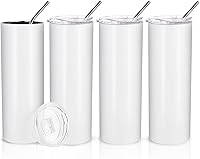
Choose drinkware by shape, coating and press compatibility. A flat-sided mug and a tall bottle may both be blanks, but they need different transfer areas and equipment.
This Cricut mug is a six-count set with a white exterior and a pop of color inside. Cricut describes it as dishwasher and microwave safe, and compatible with its Mug Press and Infusible Ink products.
Check the mug press fit and artwork area before choosing any mug. A handle, taper or curved body can limit where a design sits or how it wraps.
Compare shapes in our guides to best sublimation mug blanks, best sublimation tumbler blanks and best sublimation water bottle blanks. For a glass option, see best glass sublimation blanks.
What should you know about fabric and flexible blanks?
For fabric and flexible blanks, check fiber or foam material, printable area and shape. These details help you decide whether your design and pressing setup suit the item.
A tote gives you a broad, flat panel, while a hoodie has seams and a larger garment shape to work around. A can cooler sleeve is flexible foam, so its material and printable panel differ from a ceramic or metal blank.
The PartyPrints sleeves are described as customizable with sublimation, heat transfer vinyl, screen printing, embroidery or markers. Their collapsible shape can make storage easier between projects.
Check the printable area and press approach for flexible items before starting. See best tote bags for sublimation, best sublimation blank hoodies and best neoprene sublimation blanks for more fabric and flexible options.
When do transfer sheets fit a blank project?
Transfer sheets are useful when the blank and transfer system are designed to work together. Cricut Infusible Ink sheets pair with compatible Cricut blanks and Cricut Maker or Explore family machines.
The pack contains two 12 x 12 in transfer sheets and two sheets of butcher paper. Cricut describes the sheets for use with compatible blanks such as coasters, T-shirts and tote bags.
These sheets are transfer materials, not blanks themselves. Confirm that your chosen blank supports Infusible Ink, and follow the instructions for the machine and press you use.
If your project relies on a cutting machine, read our guide to craft cutting machines before picking materials.
Which small and specialty blanks make practical gifts?
Small blanks suit compact designs, keepsakes and personalized gifts. Compare the dimensions and finish closely because a small shift in layout can affect the usable artwork area.
These cards are described for business cards, name tags, membership cards, plaques and desk tags. Their thin aluminum form and pearl finish make them a different choice from paper cards or plastic blanks.
Oskal gives a suggested process of 400°F for 40 to 60 seconds, but press results can vary by equipment and ink. Follow the process guidance for your setup and consider trying one card before a full batch.
For other small gifts, compare best sublimation keychain blanks, best sublimation blanks earrings and best sublimation Christmas ornament blanks. If you want a shape-based project, see how to sublimate puzzle blanks.
How can you choose a blank for a child or a milestone?
Choose a gift blank around the recipient and the occasion, then confirm its material and intended use. The design area and the blank’s everyday purpose matter as much as the printed artwork.
For children, consider a blank that fits the project and age group, and review its use and care guidance. Our best sublimation blanks for kids guide focuses on options for kid-centered projects.
For graduation, sports and baby gifts, narrow the choices by recipient and form. Explore best sublimation blanks for graduation, best sublimation blanks for sports and best sublimation blanks for babies.
A blanket or sign offers a larger design area than a keychain or card. Compare best sublimation blanket blanks and best sublimation sign blanks when the design needs more room.
Is a bulk pack or starter kit the better choice?
A bulk pack fits repeat projects with a known design and blank type. A starter kit can be more useful when you are still deciding which surfaces and shapes suit your work.
Count how many finished pieces you expect to make, then allow for practice pieces and possible layout changes. Check whether the pack contains one blank style or a mix, and make sure you can store the quantity safely.
Compare best sublimation blank starter kits for a first setup, or browse best PYD Life sublimation blanks for a brand-specific comparison. For projects using Cricut transfer sheets, our guide to best Cricut Infusible Ink blanks can help you check compatibility.
How do you avoid common blank-buying mistakes?
Avoid common mistakes by checking the actual surface, size and process before ordering. Similar-looking products can differ in coating, printable area and press fit.
- Buying untreated items: Confirm that the blank is intended for sublimation or your chosen transfer system.
- Guessing dimensions: Compare the blank with your artwork, press area and any attachment.
- Ignoring base color: Remember that the blank’s color can affect the design’s appearance.
- Choosing by pack size alone: Make sure you need that many pieces and have room to store them.
- Assuming one setting fits all: Follow the guidance for the specific substrate and equipment.
- Skipping a trial: Try one piece when you are unsure how a new blank and transfer will work together.
A short checklist before checkout can prevent mismatched supplies: blank surface, transfer compatibility, dimensions, pressing method and intended use.
Explore sublimation blanks by topic
- How to Use Templates for Sublimation Blanks
- Best Sublimation Wine Tumbler Blanks
- Best Sublimation Coaster Blanks
- Best Cutting Board Blanks for Sublimation
- Best Sublimation Notebook Blanks
How should you narrow down your final choice?
Choose the blank that matches your design, available equipment and planned quantity. Start with a known substrate and shape, then expand once you understand its compatibility and workflow.
Pick a coated mug or tumbler for drinkware, suitable fabric for a wearable project, or a flat metal blank for a compact keepsake. For a beginner, a small pack of one simple blank type can make it easier to learn the process.
If you already know the design and need multiples, compare bulk options. If you are still choosing a project, begin with a starter kit and use its compatibility details to guide the rest of your supplies.
Frequently asked questions
What makes an item a sublimation blank?
A sublimation blank has a surface designed to accept sublimation ink through heat. Many hard blanks use a compatible coating, while polyester fabric is a common textile option.
Check the blank’s material and coating before buying because a plain item may not take sublimation ink as intended.
Can you sublimate on any blank?
No. The surface needs to be compatible with sublimation ink and heat, such as a suitable coating on a hard blank or polyester fabric.
An untreated surface may not hold the transfer as expected.
Confirm the material, coating and recommended process for the specific blank.
Do sublimation blanks have to be white?
White or light-colored surfaces usually make it easier to show the intended design colors because sublimation ink does not add an opaque white layer. Some blanks come in other colors, but the base color can change the appearance of the artwork.
Check color options before designing.
How do I choose a sublimation blank for a beginner?
Start with a flat, simple blank that fits your press and design area, and choose one with clear material and process information. A small pack lets you learn the workflow with fewer pieces on hand.
Confirm the blank works with your ink, paper or transfer sheets, and press.
Are sublimation blanks and Infusible Ink blanks the same?
They overlap, but compatibility depends on the surface and transfer method. Cricut Infusible Ink sheets are made for compatible Cricut blanks, and the brand names examples such as coasters, T-shirts and tote bags.
Check that the particular blank supports the transfer you plan to use.