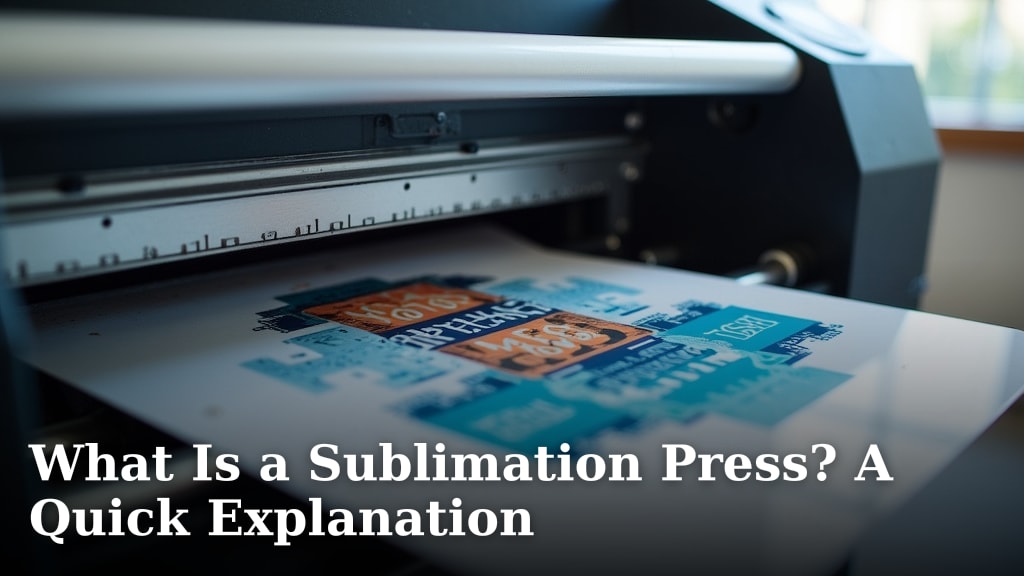
What Is a Sublimation Press? A Quick Explanation
Understanding the Sublimation Press and How It Works
A sublimation press is a specialized heat machine used to transfer printed designs onto materials like mugs, shirts, and phone cases. It uses precise heat and pressure to turn special ink into a gas that bonds permanently with the surface.
Think of it like a high-tech iron for crafts. But instead of pressing a design onto a surface, it makes the design become part of the surface. This creates vibrant, long-lasting images that won’t crack, peel, or wash away easily.
The Science Behind the Magic: Dye Sublimation
The press itself is just the tool. The real work happens through a chemical process called dye sublimation. Here’s the simple version.
You start with a design printed on special transfer paper using sublimation ink. When the press heats this paper to a high temperature (usually around 385-400°F), the ink doesn’t melt. It skips the liquid stage entirely and turns directly into a gas. This is called sublimation.
- Heat + Pressure: The press applies even, firm pressure.
- Ink Becomes Gas: The heat vaporizes the ink on the paper.
- Bonds with Material: The gas pores open on the coated material (like a polyester shirt or ceramic mug coating).
- Cools and Locks In: As it cools, the ink settles and fuses with the material at a molecular level.
We found that this bond is what makes sublimation prints exceptionally durable compared to many other methods (American Coatings Association).
What Do You Use a Sublimation Press For?
You’ll see these presses used everywhere from small home craft rooms to large production warehouses. They are perfect for creating full-color, custom merchandise.
Common Projects You Can Make
The list of sublimation-friendly items is long and growing. The key is that the material must have a polymer coating or be at least 65% polyester fabric.
- Apparel: T-shirts, jerseys, aprons, socks (polyester fabrics).
- Drinkware: Mugs, tumblers, water bottles (coated metal or ceramic).
- Home Goods: Throw pillows, coasters, blankets, mouse pads.
- Promotional Items: Phone cases, laptop sleeves, keychains.
If you’ve ever received a super-vibrant custom coffee mug from a friend or a company, it was likely made with a sublimation press.
Key Parts of a Sublimation Press Explained
While models vary, most sublimation presses share a few critical components. Understanding these helps you choose the right one and use it safely.
The Heating Platen
This is the large, flat surface that gets hot. It’s usually covered in a non-stick silicone pad. Quality matters here. A platen that heats evenly prevents cold spots, which can lead to faded or uneven transfers.
The Pressure Control
You need firm, consistent pressure for the gas to transfer properly. Most presses have an adjustable pressure knob or handle. This lets you set the right force for different items. A thick ceramic mug needs different pressure than a thin polyester mouse pad.
The Digital Control Panel
This is your command center. It lets you set two things precisely: temperature and time. Each material and ink brand has a recommended recipe. Getting these settings wrong is the top reason for failed transfers.
Press Types: Clamshell vs. Swing-Away
The design of the press determines how you load your items.
- Clamshell Press: The top platen lifts up and down, like a clam. It’s usually more compact and affordable. Great for flat items like shirts and plaques.
- Swing-Away Press: The top platen swings completely to the side. This gives you easier access to the lower platen. It’s often better for placing items like mugs and hats precisely.
Sublimation Printing vs. Other Methods
How does this heat-press magic compare to other popular printing techniques? We found the biggest differences are in durability, feel, and ideal use cases.
| Printing Method | How It Feels | Best Durability | Ideal Use Case |
|---|---|---|---|
| Dye Sublimation | The design is part of the fabric/material. No texture. | Excellent. Won’t crack or peel with washing. | Full-color photo products, polyester apparel, hard-coated items. |
| Direct-to-Film (DTF) | A thin, flexible film layer. Slight texture. | Very Good. Resists washing well. | Cotton and polyester blends, detailed designs. |
| Screen Printing | Thicker ink layer on top. Noticeable texture. | Good. Can crack over time with heavy wear. | Simple, bold designs on cotton t-shirts in bulk. |
| Heat Transfer Vinyl (HTV) | Plastic-like layer on top. Can feel stiff. | Good for simple designs. Can peel. | Names, numbers, single-color logos. |
In short, choose sublimation when you want a permanent, all-over print that remains soft and breathable on fabric.
Is a Sublimation Press Right for You? A Quick Checklist
Deciding to buy this equipment is an investment. Before you do, ask yourself these questions.
- ✅ Do you work mostly with polyester fabrics or hard items with polymer coatings? Sublimation won’t work on 100% cotton or untreated wood.
- ✅ Do you need to create vibrant, full-color, photographic designs? Sublimation excels at complex, detailed images.
- ✅ Is durability your top priority? If you’re making items that will be used or washed often, sublimation is a top choice.
- ✅ Are you prepared for the learning curve? Dialing in the perfect time, temperature, and pressure takes some practice.
- ✅ Do you have space for the press and proper ventilation? It can get warm and produce a faint smell during operation.
Many small business owners we spoke with started with a small, entry-level clamshell press to learn the craft before upgrading to larger or more specialized models.
Safe and Effective Use: Basic Guidelines
Safety and good results go hand-in-hand. These simple practices will protect you and your projects.
Before You Press
Always pre-press your garment or item for 3-5 seconds. This removes wrinkles and moisture, which can cause imperfections. Make sure your work area is clean, and your heat press is on a stable, heat-resistant surface.
During the Press
Use heat-resistant tape to secure your transfer paper in place. This prevents ghosting—a blurry double image caused by the paper shifting. Wear heat-resistant gloves if you need to handle items near the hot platens.
After the Press
Follow your material and ink instructions for peeling. Some are “hot peel” (remove paper immediately), while others are “cold peel” (wait until it cools completely). Peeling too soon or too late can ruin the transfer.
The CDC recommends working in a well-ventilated area when running a heat press for extended periods, as with any heating equipment (CDC).
Making Your Decision
A sublimation press is a powerful tool for creating professional-quality, permanent custom products. It’s not a magic box, though. Its success depends entirely on using the right materials—coated items and sublimation ink.
For the everyday shopper or crafter looking to make unique, durable gifts or start a small product line, it offers a fantastic way to bring digital designs into the physical world. The key is matching the tool to your specific project needs.
Conclusion
A sublimation press is a specialized tool that uses heat and pressure to turn special ink into a gas. This gas permanently bonds with materials like polyester fabrics and polymer-coated items. The result is a vibrant, durable print that becomes part of the surface itself. You now understand its key components, how it compares to other printing methods, and what safety steps to follow.
If you plan to create custom products with detailed, long-lasting designs, this press could be a great fit. Your best next step is to match your specific projects to the tool. Start by checking if your desired items are sublimation-friendly. Then, consider trying a small test project with an entry-level model to learn the process hands-on.
Frequently Asked Questions
Can I use a sublimation press on 100% cotton t-shirts?
No, sublimation ink does not bond with cotton fibers. It requires polyester or a polymer coating to create a permanent image. For cotton shirts, you would need to use a different method like direct-to-garment printing or screen printing.
How is a sublimation press different from a regular heat press?
A sublimation press is designed specifically for the dye sublimation process. While it is a type of heat press, its temperature controls and pressure are optimized for turning sublimation ink into gas. A regular heat press might work for vinyl or other transfers, but not for true sublimation.
What safety precautions should I take when using a sublimation press?
Always work in a well-ventilated area, as heating can produce fumes. Wear heat-resistant gloves when handling hot items. Ensure the press is on a stable, heat-resistant surface, and never leave it unattended while hot.
How do I know if an item is suitable for sublimation?
Look for items labeled as “sublimation-ready” or those with a polymer coating. For fabrics, check the tag—it should be at least 65% polyester. Plain, untreated items like 100% cotton or wood will not hold a sublimation print.
Do I need special software to create designs for sublimation?
You don’t need special software, but you do need a way to print high-quality images. Any program that can produce a high-resolution design (like a photo editor) works. The key is using sublimation ink and transfer paper to print the design before pressing.